Can Methylene Blue Supplements Really Sharpen Your Memory and Focus?
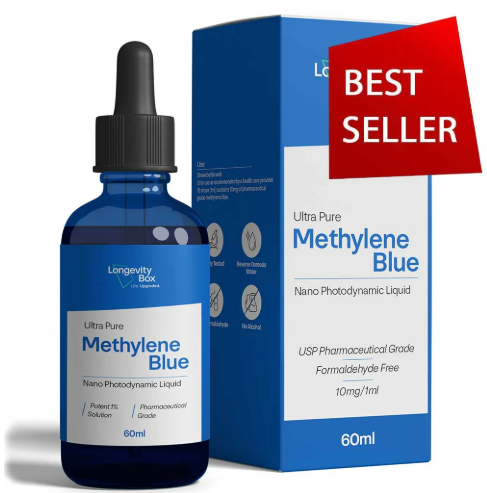
If you spend any time in wellness circles, you’ve probably heard someone mention methylene blue. It went from a niche compound used in hospitals to something people are taking before deep work sessions, exams, or long shifts at their desks. But does it actually do anything for your brain, or is it just another supplement riding a wave of hype?
Let’s take a proper look at what methylene blue is, why people are turning to methylene blue supplements for cognitive support, and what the research genuinely shows so far.
What Is Methylene Blue, Anyway?
Methylene blue isn’t new. It’s been used in medicine for well over a hundred years, originally as a treatment for a blood condition called methemoglobinemia and as a dye during certain surgical procedures. What’s changed recently is the interest in its effects on brain energy.
At a cellular level, methylene blue helps shuttle electrons through the mitochondria, the tiny structures inside your cells that produce energy. Brain cells are especially energy hungry, so anything that supports that process tends to get attention from people interested in cognitive performance.
The Science Behind Methylene Blue and Cognitive Function
How It May Support Memory
Some of the most interesting findings come from brain imaging research. In one notable study, researchers used MRI scans to look at brain activity after a single low dose of methylene blue and found increased activity in regions tied to short-term memory, along with a measurable rise in memory retrieval performance.
Animal research has shown similar patterns. Rats given methylene blue performed better on memory and spatial learning tasks, particularly in scenarios involving stress or reduced oxygen, conditions where the brain typically struggles.
How It May Support Focus and Mental Clarity
Because methylene blue supports mitochondrial efficiency, some people report steadier focus and less of that mid afternoon mental fog. The theory is that when brain cells have a more reliable energy supply, sustained attention becomes a little easier to maintain.
It’s worth being honest here though. Much of this evidence is still early stage. Human trials are relatively small, and researchers are still working out the right doses and the people most likely to benefit.
What Reputable Experts Say
Pharmacology researchers who study methylene blue tend to strike a cautious but curious tone. There are genuine hints of benefit for specific brain related issues, but the studies to date are limited in size, so it’s too early to call methylene blue a proven memory booster for the general population.
That doesn’t mean it’s without merit. It simply means it belongs in the same category as many promising nootropics: worth understanding properly before deciding if it fits your routine.
Things to Keep in Mind Before Trying It
Start Low and Go Slow
If you’re curious about methylene blue supplements, a cautious approach makes sense. Lower doses are typically associated with fewer side effects, and there’s no need to rush into anything higher without understanding how your body responds first.
Check Your Other Medications
Methylene blue can interact seriously with certain medications, particularly antidepressants that affect serotonin. If you take any prescription medication, a quick conversation with a pharmacist or GP before adding a new supplement is always the sensible move.
Timing Matters
Because it has an energising effect for some people, taking it earlier in the day tends to work better than an evening dose, especially if you want to avoid it interfering with sleep.
Is It Right for You?
Methylene blue supplements aren’t a magic switch for a sharper brain, and anyone promising instant results is probably overselling it. What the research does suggest is a genuinely interesting compound with a plausible mechanism for supporting brain energy, memory, and focus, alongside a track record of medical use that spans over a century.
For anyone exploring cognitive support supplements as part of a wider approach to brain health, alongside good sleep, regular movement, and a balanced diet, methylene blue is a compound worth understanding properly rather than dismissing outright.
Final Thoughts
The evidence around methylene blue and cognitive performance is still developing, but it’s far from baseless. From mitochondrial support to early human imaging studies showing real changes in memory related brain activity, there’s enough here to justify continued interest and further research.
If you’re thinking about adding methylene blue supplements to your routine, quality and sourcing matter just as much as the science. Longevity Box offers carefully formulated supplements designed with purity and transparency in mind, so you can explore your options with confidence and make an informed choice that suits your own health goals.






Post Comment