How to Prepare Your Home for Bad Weather
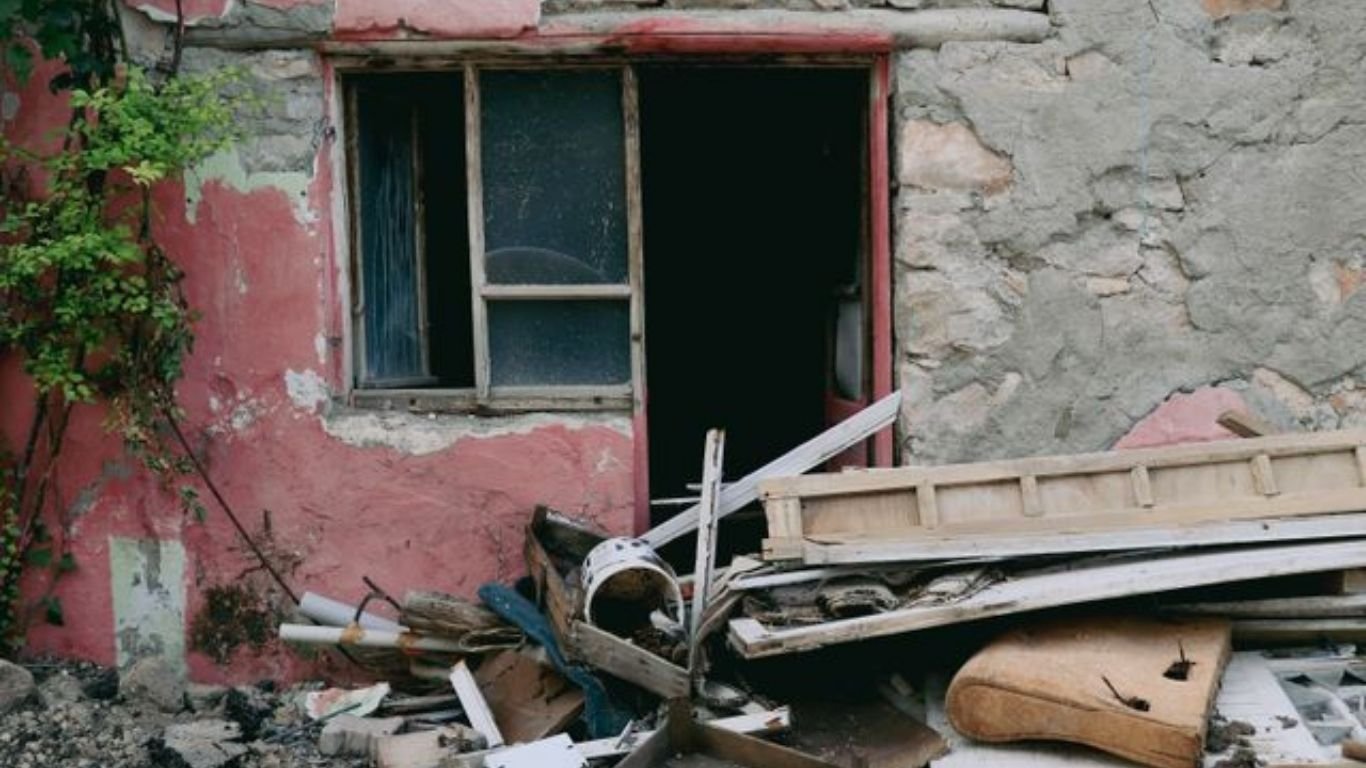
Bad weather can arrive with little warning, bringing heavy rain, strong winds, lightning, hail, flooding, or extended power outages. While no homeowner can control the forecast, a well-prepared home can make severe weather less stressful and reduce the chance of preventable damage. Preparation also helps protect the people inside the home, giving everyone a clearer plan when conditions change quickly. Whether you live in an area that faces summer thunderstorms, tropical systems, winter storms, or seasonal flooding, the best time to get ready is before a watch or warning appears on your phone.
Understand the Weather Risks Around Your Home
Start by identifying the types of bad weather most likely to affect your location. Severe weather can include damaging winds, tornadoes, large hail, lightning, flooding, flash flooding, snow, sleet, freezing rain, and other hazards. A practical plan should reflect the risks that are most relevant to your neighborhood, your property, and your household. For example, a home near low-lying roads may need extra flood precautions, while a property with large trees nearby may require more attention to wind damage and falling limbs.
Knowing local alert systems is just as important as understanding the risks. Sign up for emergency notifications where available, keep a battery-powered or hand-crank radio accessible, and make sure every adult in the home understands the difference between a watch and a warning. A watch means conditions are possible, while a warning means hazardous weather is already happening or expected soon. The more familiar your household is with these terms, the easier it will be to act quickly instead of losing time deciding what to do.
Inspect the Exterior Before Storm Season
Your home’s exterior is the first line of defense against bad weather, so a seasonal inspection can prevent small issues from becoming costly problems. Look for loose or missing shingles, damaged siding, cracked window seals, clogged gutters, and downspouts that do not direct water away from the foundation. Gutters and drains should be cleared regularly so heavy rainfall can move away from the home instead of collecting near doors, windows, or basement walls.
Pay close attention to trees and landscaping. Branches that hang over the roof, touch the house, or appear weak can become dangerous during high winds. Trim back trees when it is safe to do so, and call a qualified professional for large limbs or trees near power lines. Outdoor furniture, potted plants, grills, trash bins, toys, and tools should also have a secure place to go before a storm. Items left loose outside can turn into hazards when the wind picks up.
Protect Against Water Damage and Flooding
Water can enter a home in many ways during severe weather, including roof leaks, backed-up drains, foundation cracks, damaged windows, and rising floodwater. Walk around the outside of the property and look for areas where water collects after rain. Soil should slope away from the foundation, and downspout extensions should move runoff several feet from the house. If your home has a basement or crawl space, check for signs of moisture, musty odors, staining, or previous leaks.
For homes in flood-prone areas, consider practical upgrades such as a sump pump with a battery backup, flood vents where appropriate, and elevated placement for important mechanical systems. Heating equipment, water heaters, electrical panels, and stored valuables should be kept above expected water levels whenever possible. If damage does occur, document the conditions with photos, save receipts, and contact your insurance provider promptly. Homeowners may also choose to consult a credible Ocala restoration company when water cleanup, structural drying, or storm-related repairs require specialized support.
Prepare an Emergency Supply Kit
An emergency supply kit should contain enough essentials to help your household get through at least several days without regular services. Include drinking water, nonperishable food, a manual can opener, flashlights, extra batteries, a first aid kit, needed medications, basic hygiene supplies, a phone charger, a backup power bank, and copies of important documents in a waterproof container. A whistle, dust mask, local map, wrench or pliers, and battery-powered radio can also be useful during a serious weather event.
Customize the kit for the people and pets in your home. Families with infants may need formula, diapers, wipes, and extra clothing. Older adults or people with medical needs may require spare glasses, mobility supplies, medical device batteries, or a written list of prescriptions. Pet owners should include food, water, leashes, carriers, vaccination records, and any medications. Review the kit every few months so expired food, dead batteries, and outdated documents do not create problems when you need the supplies most.
Conclusion
Preparing your home for bad weather is not about expecting the worst. It is about reducing uncertainty, protecting your household, and limiting damage where possible. A strong plan begins with knowing local risks, maintaining the exterior of the home, managing drainage, organizing supplies, and making sure everyone knows what to do when alerts are issued. These steps do not need to happen all at once, but they should be revisited regularly as seasons change and household needs evolve. By taking steady, practical action ahead of time, you can face severe weather with greater confidence and a safer home environment.







Post Comment