Husky Tool Box: A Practical Guide for Everyday Users and Serious Doers

If you’ve ever tried to fix something at home and spent more time looking for tools than actually using them, you already understand the value of good storage. A reliable tool box is not just a container—it’s a silent partner that keeps your work smooth and stress-free. Among the many options out there, the Husky tool box has quietly earned a solid reputation with everyday homeowners, DIY fans, and hands-on professionals alike.
So what makes it so popular? Why do people trust it for garages, workshops, and even job sites? Let’s break it all down in plain, honest language—no sales hype, no complicated terms, just useful insight.
Why Tool Storage Matters More Than You Think
Before diving into brands and features, let’s talk about why tool storage is such a big deal.
Think of your tools like ingredients in a kitchen. Even the best chef struggles in a messy kitchen. In the same way, even great tools lose their value when they’re scattered, rusty, or hard to reach. Proper storage saves time, protects your investment, and makes work safer.
A well-built tool box keeps everything in one place, easy to find, and ready to use. That’s where a dependable option like Husky comes into play.
A Quick Look at the Husky Brand
Husky is a name many people recognize, especially if they’ve ever walked through a hardware store. The brand has been around for decades and is closely associated with durability, simplicity, and practical design.
What stands out is that Husky doesn’t try to be flashy. Instead, it focuses on building storage that works for real people—homeowners, mechanics, woodworkers, and anyone who likes fixing things with their own hands.
What Makes a Husky Tool Box Stand Out?
Not all tool boxes are created equal. Some look good but fail under pressure. Others are strong but poorly designed. Husky finds a balance that appeals to a wide audience.
Strong Build Quality
Most Husky tool boxes are made from heavy-duty steel or reinforced materials. They feel solid, not flimsy. When you open a drawer, it doesn’t wobble or stick—it glides smoothly, even when loaded with tools.
Smart Drawer Design
Drawers come in different depths, allowing you to store small hand tools and larger equipment without stacking everything on top of each other. Many models include soft-close features, which protect both your tools and your fingers.
Clean, Practical Look
Husky designs are simple and modern. They fit just as well in a home garage as they do in a professional workspace. No unnecessary curves or awkward shapes—just clean lines and useful space
Different Types of Husky Tool Boxes Explained
One reason the brand appeals to so many people is the variety available. You’re not forced into a one-size-fits-all solution.
Portable Tool Boxes
These are ideal for light work, quick repairs, or people who move around a lot. They’re compact, easy to carry, and perfect for basic hand tools.
Rolling Tool Chests
If you want mobility with capacity, rolling models are a great choice. With sturdy wheels and locking drawers, they let you bring your entire setup wherever you’re working.
Stationary Cabinets
For garages and workshops, larger cabinets offer maximum storage. These are designed to stay in one place and hold everything from wrenches to power tools.
Designed for Homeowners and DIY Enthusiasts
You don’t have to be a professional mechanic to appreciate good storage. Many homeowners choose Husky because it feels approachable.
The layout is intuitive. You don’t need a manual to figure out where things go. Everything feels like it was designed by someone who actually uses tools, not just sells them.
For weekend projects, furniture assembly, or basic repairs, having a dedicated place for tools makes the whole process more enjoyable.
A Reliable Choice for Professionals
Professionals demand more from their equipment. They need storage that can handle weight, daily use, and constant movement.
Husky tool boxes are known for holding up under pressure. Drawers don’t sag, frames don’t bend easily, and finishes resist scratches better than many cheaper alternatives. That reliability is why you’ll often see them in busy workshops and service garages.
Storage Capacity and Organization Benefits
One of the biggest frustrations with tool storage is wasted space. Husky addresses this with smart organization features.
Drawer Liners
Most models include liners that prevent tools from sliding around. This reduces noise, protects finishes, and keeps everything in place.
Deep and Shallow Options
Having different drawer sizes helps you organize by tool type. Small items don’t get lost, and large tools don’t feel cramped.
Expandable Storage
Some systems allow you to add matching components later. That means your setup can grow as your tool collection grows.
Mobility and Ease of Use
A tool box should work with you, not against you.
Rolling Husky models come with strong casters that move smoothly, even when fully loaded. Locks keep everything secure, and handles are placed where they make sense.
It’s a bit like having a well-packed suitcase. You don’t notice how good it is until you try one that doesn’t roll properly.
Durability and Long-Term Value
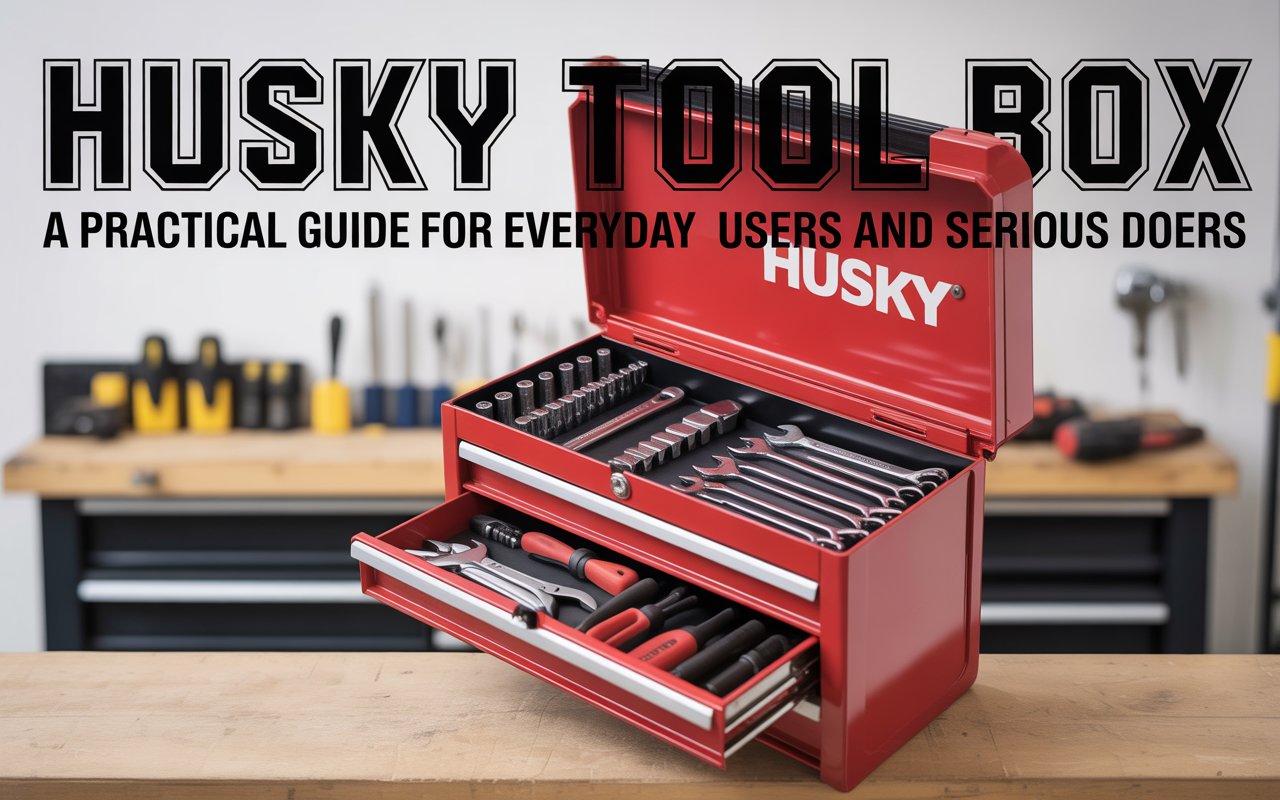
Buying a tool box isn’t something most people want to repeat often. Durability matters.
Husky tool boxes are built to last for years, not months. Steel construction, quality finishes, and thoughtful design mean they age well. Even after long use, they tend to look and function respectably.
That long lifespan makes them a solid value, especially when compared to cheaper options that need replacing sooner.
Price Range and Overall Value
One of the strongest points is accessibility. Husky tool boxes are generally priced within reach of the general public.
You’re not paying for a luxury name or unnecessary features. You’re paying for solid materials, good design, and dependable performance. For many people, that balance is exactly what they’re looking for.
Maintenance and Care Tips
Keeping a tool box in good condition doesn’t require much effort.
- Wipe surfaces occasionally to remove dust and grease
- Avoid overloading drawers beyond their limits
- Lock drawers when moving rolling units
- Keep it in a dry environment to prevent rust
A little care goes a long way, and with basic maintenance, a Husky tool box can stay functional for years.
Is a Husky Tool Box Right for You?
Choosing the right tool box depends on how you work, what you store, and where you use it.
If you value strength, simplicity, and practical design without paying premium prices, this brand is worth considering. It’s not trying to impress—it’s trying to help, and that’s often the best kind of product.
Conclusion
A good tool box is more than storage—it’s peace of mind. It keeps your tools protected, your space organized, and your projects moving forward. The Husky tool box has earned its place by focusing on what truly matters: durability, usability, and value.
Whether you’re fixing things around the house or working with tools every day, having reliable storage makes all the difference. Like a sturdy backpack on a long journey, it carries the load so you can focus on where you’re going next
Frequently Asked Questions
1. Is a Husky tool box suitable for beginners?
Yes, it’s very beginner-friendly due to its simple design and easy organization.
2. Can it handle heavy tools without damage?
Most models are built to support significant weight and daily use.
3. Are rolling versions stable on uneven floors?
They are generally stable, especially when locked in place during work.
4. Does it require assembly?
Some models need light assembly, but instructions are usually straightforward.
5. Is it a good long-term investment?
Yes, due to its durability and practical design, it offers strong long-term value.






Post Comment