The Israel-Iran Tension: A Detailed Look at the Current Situation
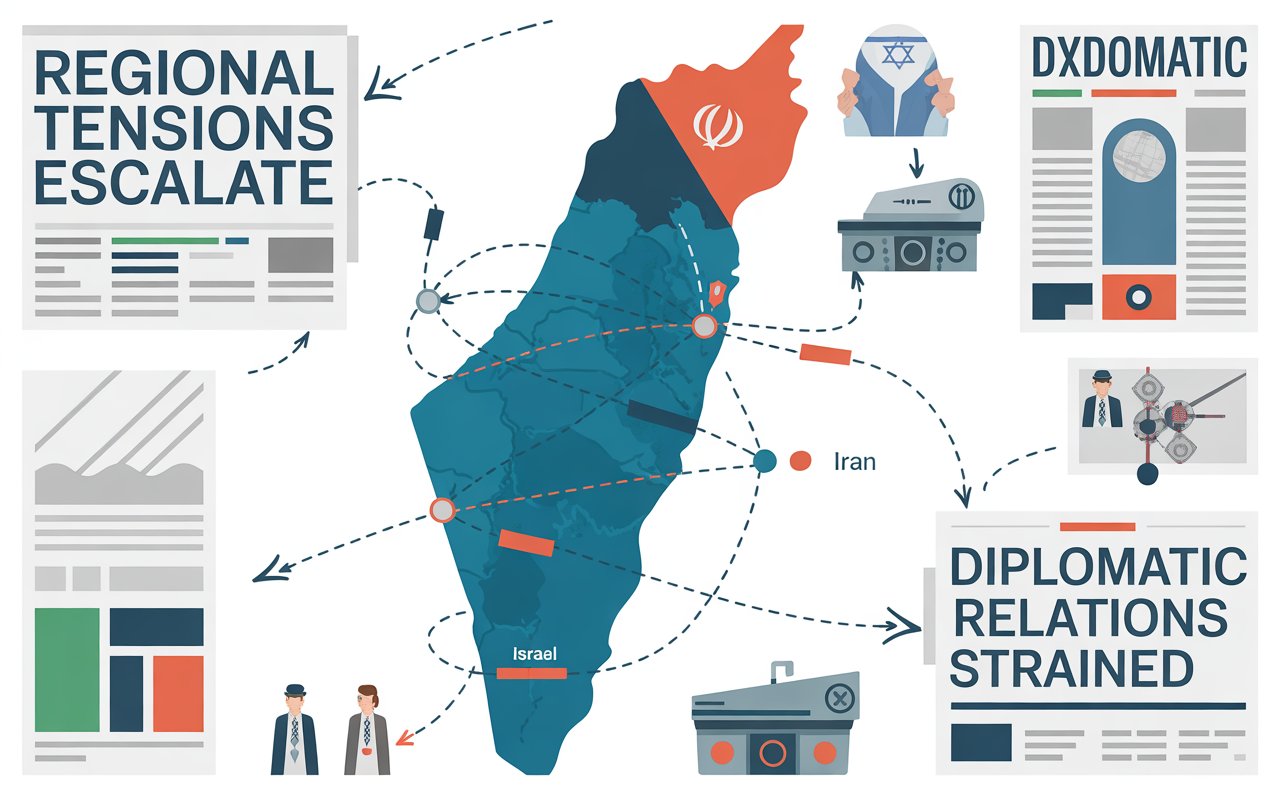
The relationship between Israel and Iran isn’t just another headline—it’s one of the most consequential geopolitical dramas of our time. For many people, it feels like watching a pot on the stove that could boil over at any moment. But what exactly is going on? Why should we care? And how does this affect everyday life around the world?
In this article, we’ll break down the latest developments between these two nations in clear, simple terms. We’ll explore what’s happening, why it matters, and what it could mean for peace, security, and stability—far beyond the Middle East.
Introduction
Tensions between Israel and Iran have been simmering for years, driven by deep-rooted political and ideological differences. In recent months, events on the ground have taken unexpected turns, drawing global attention and concern. This article will guide you through the latest developments in a way that’s easy to understand, even if you’re not a geopolitics expert.
1. Background: A History of Discord
Israel and Iran have long been at odds, not just politically, but ideologically. Their conflict stretches back decades, shaped by wars, proxy battles, intelligence operations, and competing visions for the Middle East. While past years witnessed mostly indirect clashes—often through allied groups like Hezbollah in Lebanon or Houthi forces in Yemen—recent events have made the tension far more direct.
In the mid-2020s, this simmering hostility escalated into a more open confrontation, culminating in major airstrikes, missile exchanges, and widespread concern about a broader war. The ceasefire in summer 2025 calmed things briefly, but the underlying problems remain unresolved.
2. The Iran Unrest: What’s Triggering Protests
Iran isn’t just dealing with external pressure. Inside the country, people are taking to the streets across dozens of cities. These protests began as economic protests—sparked by a collapsing currency and rising hardship—but have since grown into broader expressions of frustration with the regime.
Imagine a pressure cooker: when things are shut down and the heat rises inside, eventually something has to give. That’s what’s happening in Iran. People are demanding change, and the government is struggling to control the situation.
3. Iran’s Government Stance Amid Turmoil
Iran’s leaders are trying to walk a tightrope. On one hand, they insist they are ready for confrontation if attacked. On the other, they claim protests have been fueled by external forces looking to destabilize the nation.
They aren’t seeking war, Iran’s foreign officials say, but they are prepared to defend their country if necessary. This mix of defiance and caution makes the situation particularly volatile.
4. U.S. Reaction: Strong Options on the Table
The United States, a long-time ally of Israel, has weighed in. Former President Donald Trump—who remains a key voice in U.S. policy discussions—said the U.S. was considering “very strong options” if conditions escalated further.
That doesn’t necessarily mean war is imminent, but it does signal that the U.S. is watching closely and is prepared to act if it believes Iran’s internal turmoil spills over into international threats.
5. Israel’s Response and Position
Israel, for its part, is watching events in Iran carefully. Israeli leaders have publicly supported the protesters and expressed concern about Iran’s future stability.
However, Israeli military officials have so far been cautious about direct involvement. They’re monitoring developments—not only within Iran’s borders but across the region—ready to respond if their security is at risk.
6. The Ceasefire Shadow: Fragile Peace or Temporary Calm?
Last year’s ceasefire between Iran and Israel brought a halt to open military engagements. But, like ice on a river, it’s fragile and could crack under stress. Many experts believe it’s more of a pause than a lasting peace.
Both sides remain distrustful, and any misstep or misunderstanding could quickly reignite conflict. This makes the current situation like walking on thin ice—predictable one moment, dangerous the next.
7. Threats and Retaliations: A Dangerous Rhetoric
Iran has warned that if it is attacked—especially over its crackdown on protesters—U.S. forces and Israel could be targeted.
This type of rhetoric is like lighting a fuse in a room full of fireworks. While neither side may want full-scale war, heated language and military readiness can create conditions where accidents—or deliberate provocations—spark greater conflict.
8. Regional Reactions and International Diplomacy
The world isn’t sitting on the sidelines. European nations, the United Nations, and countries in the region are all calling for restraint and peaceful solutions. Some Western leaders are urging Iran to ease up on violence and consider reforms, while others emphasize the need for negotiation with Tehran.
This diplomatic pressure acts like a cooling breeze on a hot stove—helpful, but not always strong enough to prevent boiling over.
9. Economic and Global Ripple Effects
Conflicts in the Middle East don’t stay local for long. Oil markets, global supply chains, and financial markets can all feel the impact of rising tensions between major regional players. Even if military action doesn’t resume, the instability itself can change economic forecasts and investor confidence.
For many people around the world, that might translate into concerns about energy costs, currency fluctuations, or stock market volartility.
10. What This Means for Ordinary People
You may be wondering: Why should I care if Israel and Iran are tense? The answer lies in how interconnected our world has become.
- Security concerns: Escalation could draw in other countries, potentially leading to broader conflict.
- Economic effects: Global markets respond to instability.
- Refugee flows: More conflict can create humanitarian crises.
- Diplomacy and alliances: Shifts in the region affect international relations, including with your own country.
Understanding these dynamics helps us grasp why world leaders devote so much attention to decisions made thousands of miles away.
11. Paths to Peace: Is a Solution Possible?
Peace may feel like a distant dream, but several avenues could help:
- Diplomatic negotiations
- International oversight and monitoring
- Economic reforms within Iran
- Confidence-building measures between nations
Like untangling a knot, it takes patience, care, and cooperation from many parties—not just the ones directly involved.
Conclusion
The situation between Israel and Iran is complex and ever-changing. With domestic unrest in Iran, international pressure rising, and regional actors holding their breath, we’re in a moment that could shape the next chapter of global politics.
Think of it as a simmering pot: if heat continues to rise without relief, it may spill over. But with careful diplomacy, restraint, and attention to the voices of the people on the ground, that boil can be avoided.
FAQs
1 Is Israel and Iran currently at war again?
No formal full-scale war has resumed, but tensions remain high and both sides are on alert.
2. Why are people protesting in Iran?
The protests started due to economic hardship and worsening living conditions, but have grown into broader expressions of dissatisfaction.
3. Could the United States go to war with Iran?
The U.S. has said it’s considering strong options, but no decision has been made for full military engagement.
4. Does Israel support the Iranian protesters?
Israeli leaders have publicly expressed solidarity with the protesters but have avoided direct military involvement.
5. How does this conflict affect the world?
Instability in the Middle East can influence global economics, energy prices, and international security policies.






Post Comment