Trump, Ukraine, and Russia: Understanding Strikes, Strategy, and Global Stakes
When news breaks about explosions, statements from world leaders, or emergency meetings in distant capitals, it can feel overwhelming. You might ask yourself: Why does this matter to me? or How did we even get here?
The story involving Donald Trump, Ukraine, and Russia is not just about missiles or politics—it’s about power, fear, ambition, and the fragile balance that holds the modern world together. Think of it like a row of dominoes: one push in the wrong place, and events far beyond the original move start to fall.
This article walks you through the full picture in clear, simple language. No shouting, no slogans—just context, explanations, and the human side of a conflict that continues to shape global conversations.
The Roots of the Russia–Ukraine Conflict
To understand recent military actions, we have to rewind a bit. Ukraine and Russia share centuries of history, culture, and tangled political ties. After the Soviet Union collapsed in 1991, Ukraine became an independent country, but Moscow never fully stopped seeing it as part of its own sphere of influence.
At the heart of the tension lies a simple question:
Should Ukraine be free to choose its own future, or should it remain closely aligned with Moscow?
When Ukraine began leaning toward European institutions and democratic reforms, Russian leadership saw that shift as a threat. Over time, this disagreement hardened into confrontation, setting the stage for open warfare.
Why Ukraine Became a Flashpoint in Global Politics
Ukraine is more than a country on a map. It sits at a strategic crossroads between East and West, bordering both Russia and several NATO-linked states.
Key reasons Ukraine matters globally:
- It acts as a buffer zone between military alliances
- It has fertile land and major agricultural exports
- It hosts important energy transit routes
Imagine a bridge connecting two rival neighborhoods. Whoever controls that bridge gains influence over everyone crossing it. Ukraine, in many ways, is that bridge.
Military Strikes and Their Broader Meaning
When Russia launched large-scale military actions against Ukraine, including air and missile attacks, the world reacted with shock and concern. These strikes weren’t only about territory; they were messages.
Every major attack sends signals:
- To Ukraine: pressure to submit or negotiate
- To Europe: a reminder of vulnerability
- To the United States: a test of resolve
For ordinary people, these strikes translate into power outages, displacement, and fear. For governments, they trigger emergency talks, sanctions, and strategic planning.
Donald Trump’s Perspective on the Conflict
Donald Trump’s views on Ukraine and Russia have long stood out from traditional U.S. foreign policy language. During his presidency, and even afterward, he often framed international conflicts through the lens of deal-making rather than ideology.
His approach emphasized:
- Direct leader-to-leader negotiation
- Skepticism toward long wars
- Criticism of allies not sharing defense costs
Supporters argue that this style could reduce escalation. Critics worry it risks legitimizing aggression. Either way, his voice continues to influence debate, especially as elections approach and global tensions rise.
How U.S. Leadership Shapes the War’s Direction
The United States plays a central role, even without boots on the ground. Through military aid, intelligence sharing, and diplomatic pressure, Washington has helped Ukraine resist Russian advances.
American influence shows up in three main ways:
- Military support – weapons, training, and logistics
- Economic pressure – sanctions targeting banks, energy, and elites
- Diplomacy – rallying allies and shaping international responses
Think of the U.S. as a coach on the sidelines. It’s not playing directly, but its guidance can change how the game unfolds.
Russia’s Strategic Goals Explained Simply
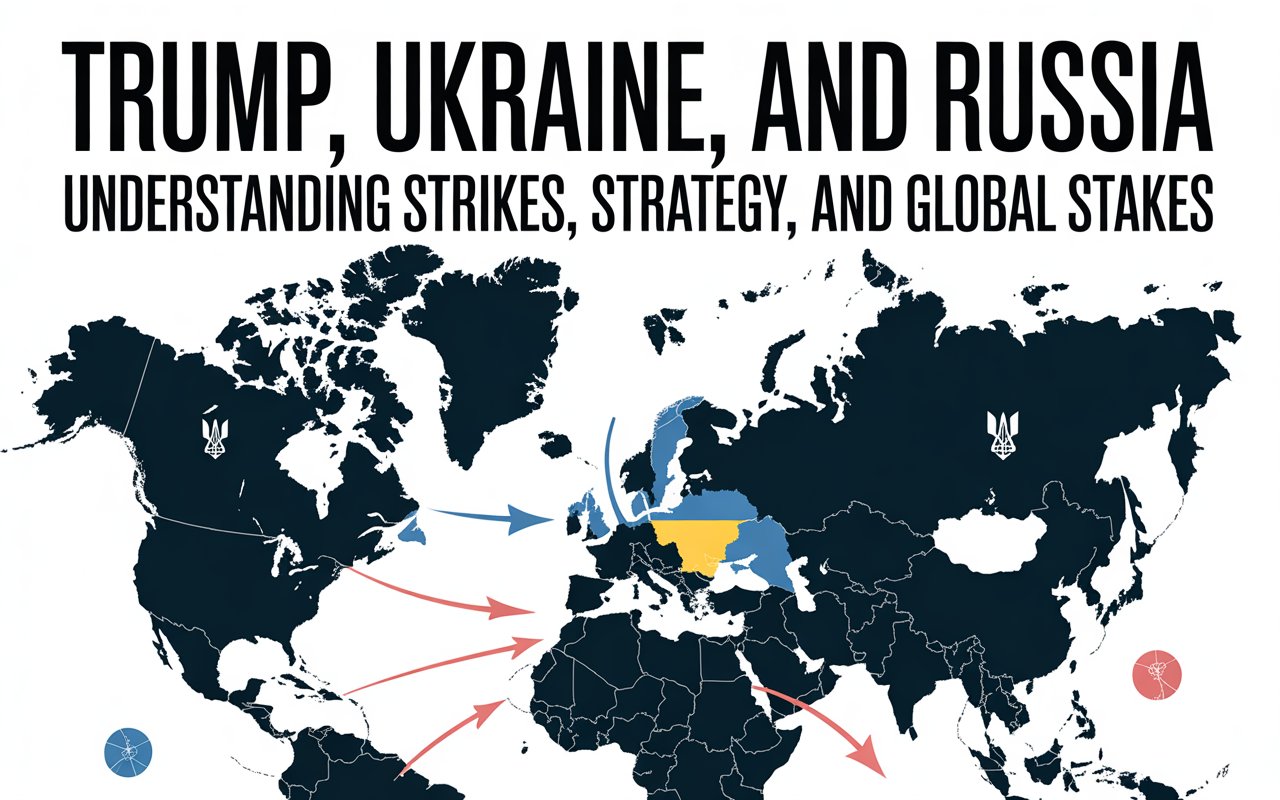
From Moscow’s point of view, the conflict is framed as a matter of security and national pride. Russian leaders argue that expansion of Western alliances threatens their borders and influence.
Key motivations often cited include:
- Preventing neighboring countries from joining rival blocs
- Maintaining regional dominance
- Appealing to domestic nationalism
Whether you agree or not, understanding these motivations helps explain why the fighting has been so intense and prolonged.
Europe’s Delicate Balancing Act
European nations are closer to the conflict—geographically and economically. Many rely on energy supplies that once flowed freely from Russia, while also supporting Ukraine’s sovereignty.
Europe faces tough choices:
- Support Ukraine without triggering wider war
- Sanction Moscow while protecting their own economies
- Manage refugee flows and public opinion
It’s like trying to fix a leaking roof during a storm. Every move matters, and mistakes are costly.
Media Narratives and Public Opinion
How we see this conflict depends largely on how it’s reported. Different countries, networks, and online platforms emphasize different aspects—human suffering, strategic wins, or political blame.
This creates challenges such as:
- Information overload
- Misinformation and propaganda
- Emotional fatigue among audiences
For the general public, staying informed means comparing sources and asking simple questions: Who benefits from this story? What’s missing?
Economic Ripples Felt Around the World
Even if the fighting feels far away, its effects reach into everyday life. Energy prices, food costs, and global markets all respond to instability.
Common impacts include:
- Higher fuel and electricity bills
- Rising food prices due to disrupted exports
- Uncertainty in global trade
In a connected world, conflict in one region can feel like a shockwave traveling across oceans.
Could Diplomacy Still Work?
Despite ongoing violence, diplomacy hasn’t disappeared. Back-channel talks, prisoner exchanges, and ceasefire discussions continue, even when headlines focus on strikes.
Successful diplomacy usually needs:
- Willingness to compromise
- Security guarantees
- International mediation
Peace is rarely dramatic. It’s slow, frustrating, and often invisible—like ice melting quietly after a long winter.
The Role of Leadership Personalities
Individual leaders matter more than we sometimes admit. Their backgrounds, egos, fears, and ambitions shape decisions that affect millions.
Donald Trump’s transactional mindset, European leaders’ coalition politics, and Russian leadership’s centralized power all influence how events unfold. History often turns not just on systems, but on people.
What the Future Might Hold
No one can predict the exact outcome. The conflict could freeze into a long stalemate, escalate further, or move toward negotiation.
Possible paths forward include:
- Prolonged low-intensity fighting
- A negotiated settlement with security guarantees
- Shifts driven by political changes in major countries
The only certainty is that the choices made today will echo for decades.
Conclusion: Why This Story Matters to Everyone
At first glance, the story of Trump, Ukraine, and Russia might seem distant or abstract. But it’s really about how power is used, how borders are respected, and how quickly peace can unravel.
Like a cracked mirror, this conflict reflects our modern world—connected, tense, and shaped by both words and weapons. Understanding it doesn’t mean choosing sides; it means recognizing what’s at stake and why informed citizens matter more than ever.
Frequently Asked Questions
1. Why is Ukraine so important in global politics?
Because of its strategic location, resources, and role between major political and military blocs.
2. Did Donald Trump support Ukraine during his presidency?
The U.S. did provide assistance during that time, but his rhetoric often emphasized negotiation and burden-sharing rather than long-term military involvement.
3. How do military strikes affect ordinary people?
They disrupt daily life through power outages, displacement, economic hardship, and psychological stress.
4. Can sanctions really change Russia’s behavior?
Sanctions can pressure economies and elites, but their effectiveness depends on enforcement and international unity.
5. Is a peaceful solution still possible?
Yes, but it requires compromise, trust-building, and sustained diplomatic effort from all sides.






Post Comment