IND vs PAK: Cricket’s Greatest Rivalry That Stops a Billion Hearts
Introduction
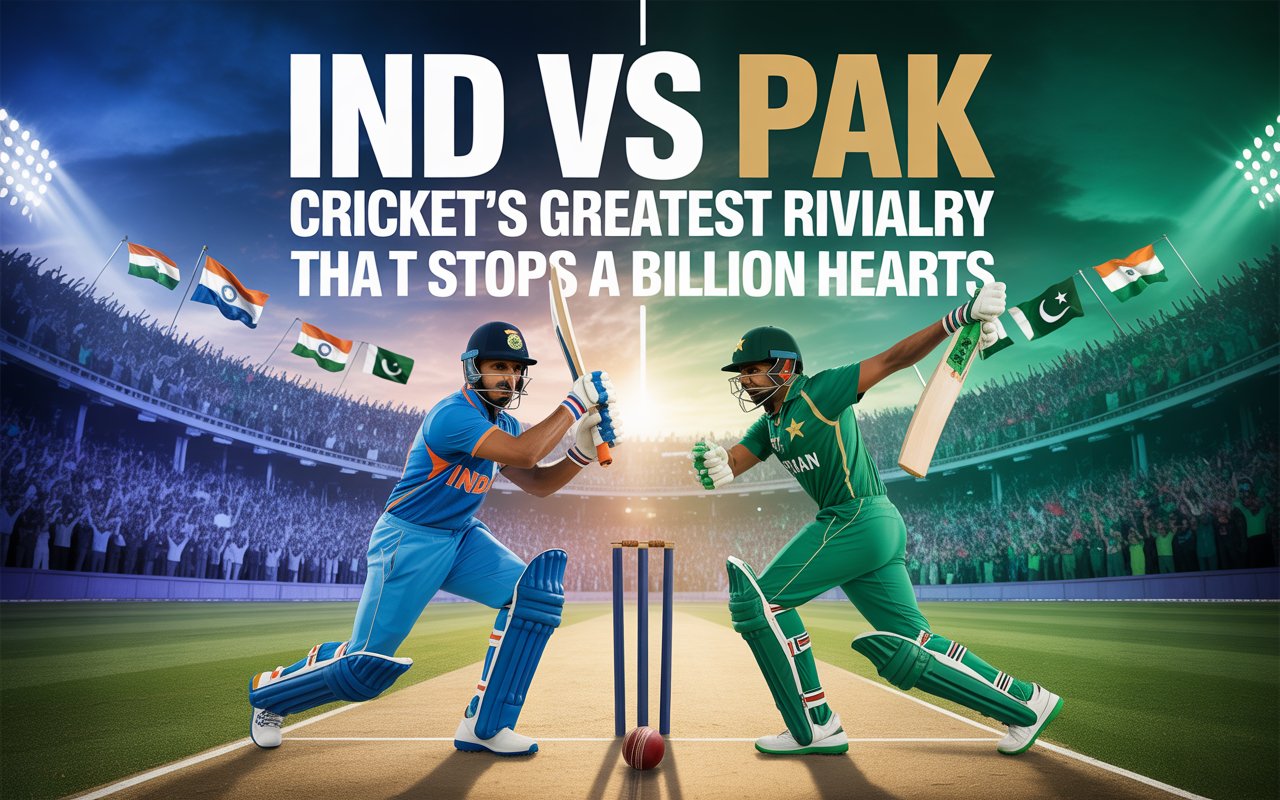
There are rivalries in sports, and then there is the epic clash between India and Pakistan. It is not just a cricket match; it is an emotion, a spectacle, and sometimes even a pressure cooker of expectations. When these two teams walk onto the field, everything else seems to pause. Streets grow quiet, televisions light up homes, and conversations revolve around one thing—who will win today?
If you have ever watched one of these matches, you know it feels different. The energy is electric. The tension is almost tangible. It’s like watching two storms collide in the middle of a stadium. Let’s dive deep into why this rivalry is so powerful, how it evolved, and why it continues to captivate millions across the globe.
The Historical Roots of the Rivalry
Partition and Politics
The story begins in 1947 with the partition of British India. Two nations were born, and along with them, deep political and social complexities. Cricket, already popular in the region, soon became a symbolic battleground.
Matches between these sides were never just about runs and wickets. They carried historical weight. Every boundary felt louder. Every wicket felt heavier.
First Encounters on the Field
The two teams first met in 1952 in a Test series in India. Since then, encounters in tournaments like the ICC Cricket World Cup and the Asia Cup have become must-watch events.
Over the decades, the rivalry grew from competitive spirit into something iconic.
Why the Match Feels Bigger Than Cricket
National Pride at Stake
For many fans, this match represents pride and identity. It’s not about statistics alone. It’s about emotion. It’s about believing your team reflects your country’s strength.
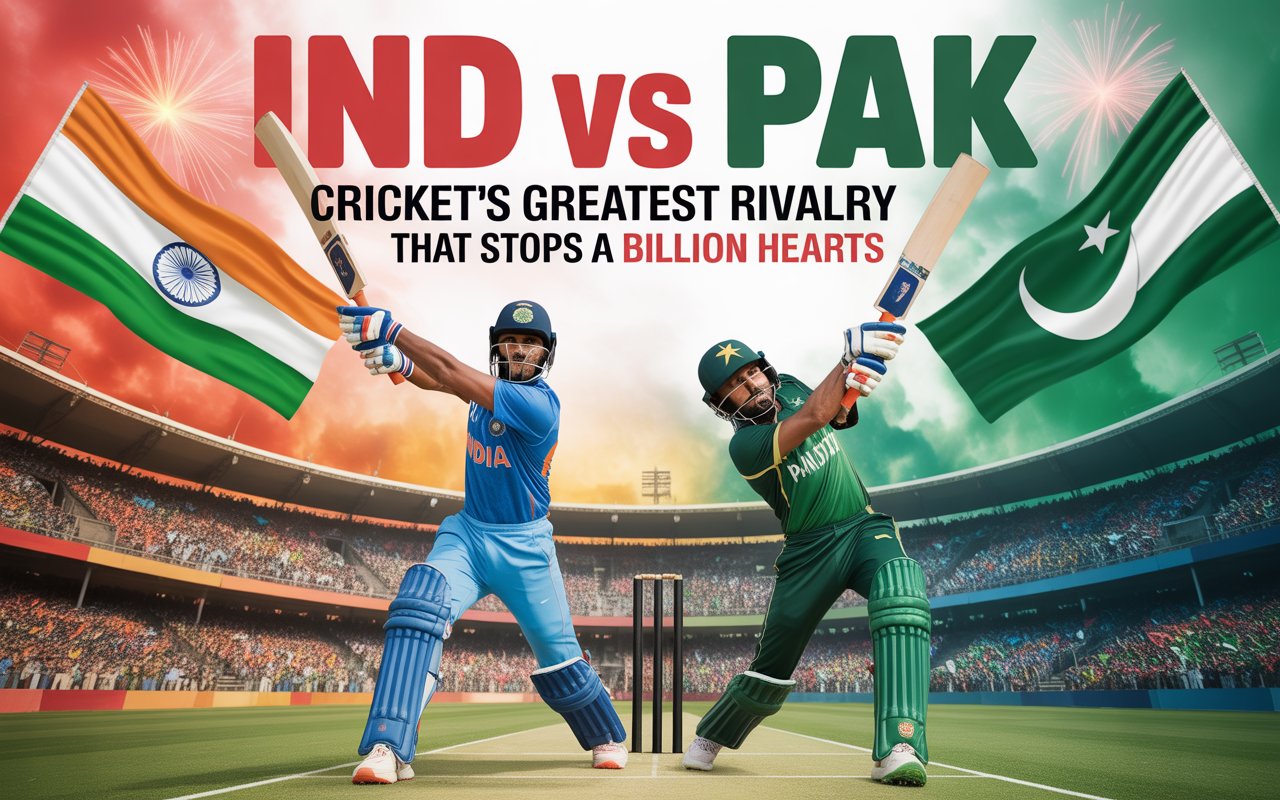
When India and Pakistan play, it’s like a festival. Fireworks, celebrations, friendly banter—sometimes intense debates—fill the air.
Media Hype and Fan Pressure
The build-up is enormous. Weeks before the game, news channels analyze every detail. Former players predict outcomes. Social media explodes with opinions.
The players feel this pressure too.Picture yourself stepping onto the field with the dreams and expectations of an entire nation resting firmly on your shoulders.It’s like walking a tightrope while the entire world watches.
Memorable Matches That Defined the Rivalry
1996 World Cup Quarterfinal
Held in Bengaluru during the 1996 Cricket World Cup, this match is still remembered for its drama and intensity. India secured a famous win, and the stadium atmosphere was unforgettable.
2007 T20 World Cup Final
The inaugural ICC World Twenty20 final in South Africa brought the teams face-to-face again. It was a nail-biting finish, with India clinching victory in the final over. The moment became part of cricket folklore.
2017 Champions Trophy Final
In a dramatic turn of events, Pakistan stunned their rivals by clinching victory in the final of the ICC Champions Trophy. It was a powerful reminder that in this rivalry, nothing is predictable.
Each of these games added another chapter to the story—some joyous, some heartbreaking.
Legends Who Shaped the Contest
Icons of Indian Cricket
Players like Sachin Tendulkar have produced unforgettable performances against Pakistan. More recently, Virat Kohli has played some of the most memorable innings under pressure.
Pakistani Greats
On the other side, legends such as Wasim Akram terrified batsmen with their skill. Today, stars like Babar Azam carry forward that legacy.
These players don’t just play cricket—they write history.
Statistics: What the Numbers Say
World Cup Record
India has historically dominated in World Cup meetings, especially in the 50-over format. That record often adds extra psychological pressure.
T20 Encounters
In T20 internationals, the results have been more balanced in recent years. One thrilling example was the 2022 match in Melbourne, where India chased down a tough total in dramatic fashion.
But here’s the thing—statistics tell only half the story. In this rivalry, form often takes a backseat to nerves and momentum.
The Psychological Battle
Handling Pressure
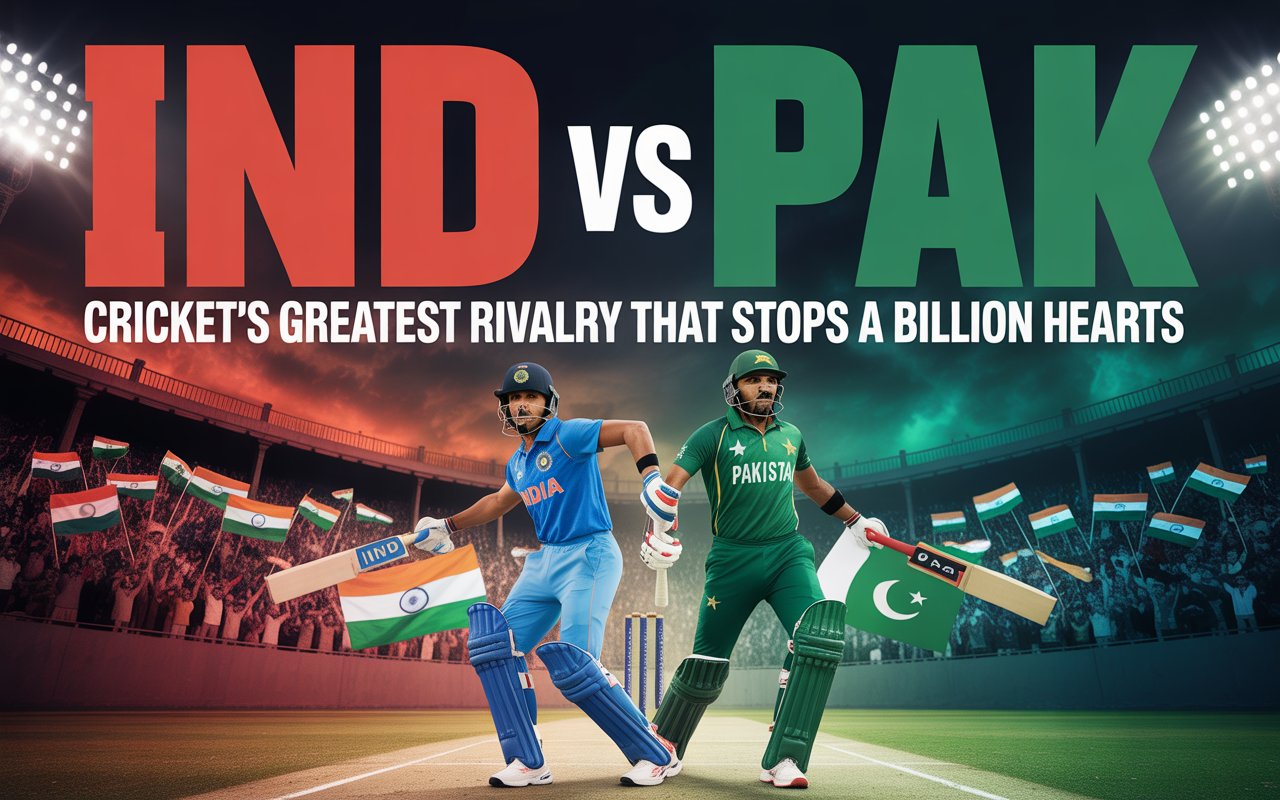
Young players often say this is the toughest match of their careers. Why? Because every mistake feels magnified.
A dropped catch or a missed run-out can trend worldwide within minutes.
Mind Games and Strategy
Captains carefully plan bowling changes, field placements, and batting orders. It becomes a chess match disguised as cricket.
Sometimes, it’s not the strongest team that wins—it’s the calmest one.
The Role of Tournaments
Limited Bilateral Series
Due to political tensions, the teams rarely play bilateral series. Most matches happen in multi-nation tournaments organized by the International Cricket Council.
This scarcity makes each encounter even more valuable.
Global Viewership
An India-Pakistan game often breaks viewership records. Advertisers compete for slots. Stadiums sell out within minutes. It’s a global spectacle.
Fans: The True Heart of the Rivalry
Passion Beyond Borders
Fans travel across countries to watch these matches. They paint their faces, wave flags, and sing chants.
Interestingly, you’ll also see moments of friendship—Indian and Pakistani fans taking selfies together. It’s a reminder that sport can unite even when politics divide.
Social Media Buzz
From memes to emotional posts, social platforms explode during the match. One brilliant shot or magical delivery can spark millions of reactions.
Controversies and Heated Moments
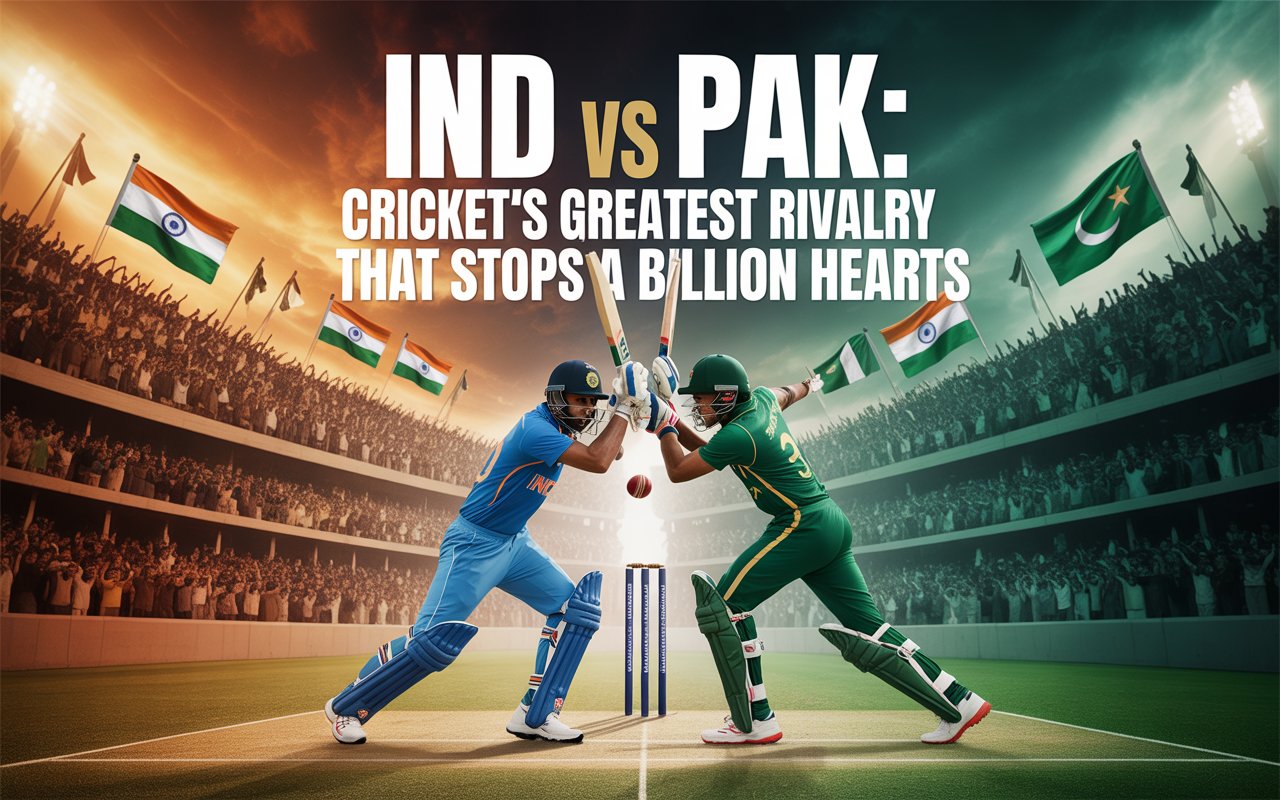
No great rivalry is complete without controversy.
There have been on-field arguments, heated exchanges, and dramatic celebrations. But over time, players from both sides have shown respect and sportsmanship.
In fact, many cricketers share friendships off the field. It’s proof that competition doesn’t have to mean hostility.
Economic and Commercial Impact
Broadcast Revenue
Television rights for these matches are extremely valuable. Broadcasters know that advertisers are willing to pay a premium.
Merchandise and Sponsorship
Jerseys, caps, and memorabilia sell rapidly. Brands align themselves with star players to gain visibility.
In simple terms, one match can generate massive economic activity.
How the Rivalry Has Evolved
From Test Matches to T20 Thrillers
Earlier encounters were long Test matches filled with strategy and patience. Today, T20 games bring explosive batting and rapid momentum shifts.
The format may change, but the intensity remains constant.
A New Generation of Players
Young cricketers now grow up watching viral clips of past classics. They enter the field aware of history but eager to create their own legacy.
The rivalry is no longer just about the past—it’s about the future too.
A Metaphor for the Rivalry
Think of this contest as a high-voltage drama series. Each episode is unpredictable. Sometimes there’s triumph, sometimes heartbreak. But one thing is certain—you can’t stop watching.
It’s a mix of skill, emotion, history, and hope. That combination is rare in sport.
Conclusion
At its core, this cricket rivalry is about more than competition. It’s about identity, memories, and shared experiences. It brings families together in living rooms and strangers together in stadiums.
Yes, the tension can be intense. Yes, emotions can run high. But when the final ball is bowled, what remains is the love for the game. And maybe that’s the real victory.
As long as cricket thrives, this contest will continue to capture imaginations. Because some rivalries fade with time—but this one only grows stronger.
FAQs
1. Why is the India vs Pakistan match considered the biggest rivalry in cricket?
It combines historical context, political tension, national pride, and sporting excellence, making it emotionally intense and globally watched.
2. How often do India and Pakistan play against each other?
They rarely play bilateral series and usually meet in international tournaments organized by governing bodies.
3. Which tournament features the most famous encounters?
The ICC Cricket World Cup and T20 World Cup have hosted many iconic matches between the two teams.
4. Who are some legendary players from both sides?
Players like Sachin Tendulkar, Virat Kohli, Wasim Akram, and Babar Azam have played crucial roles in defining this rivalry.
5. Does the rivalry impact players mentally?
Yes, the immense fan expectation and media attention create high pressure, making mental strength as important as skill.







Post Comment