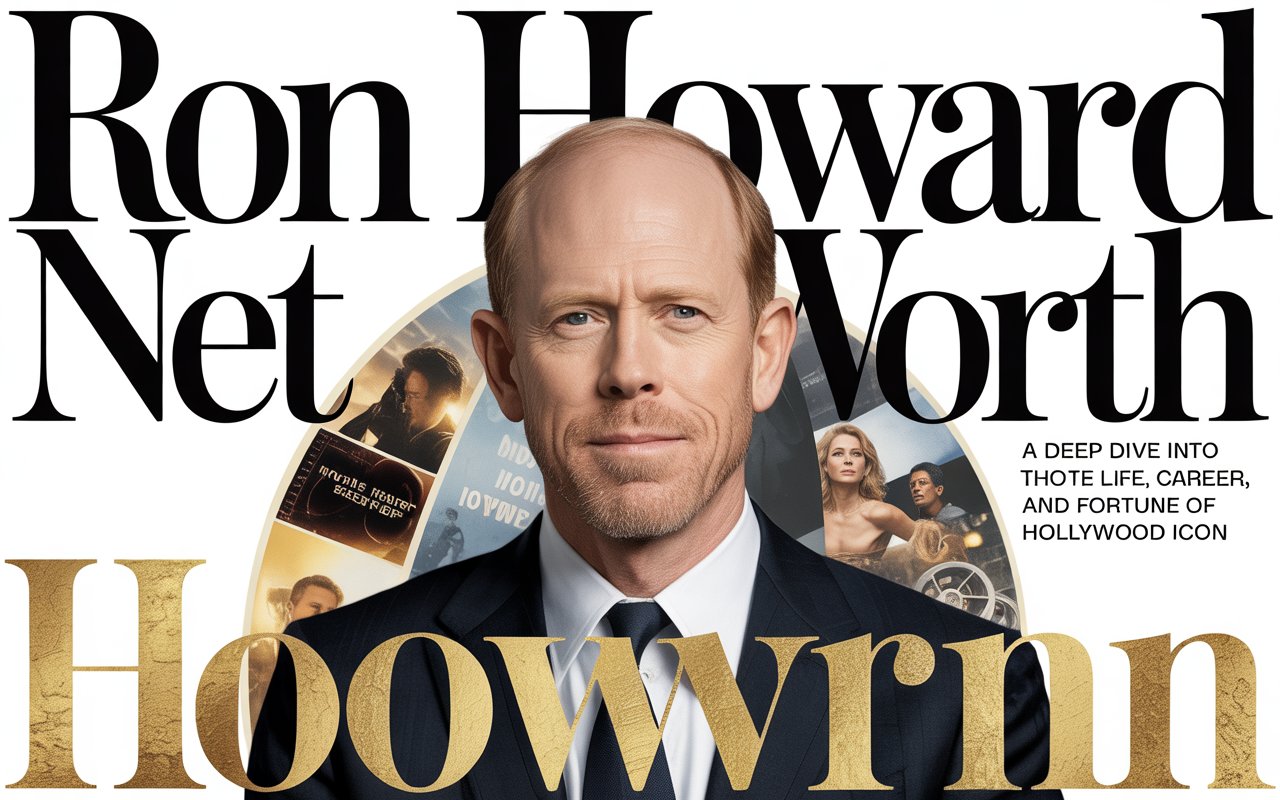
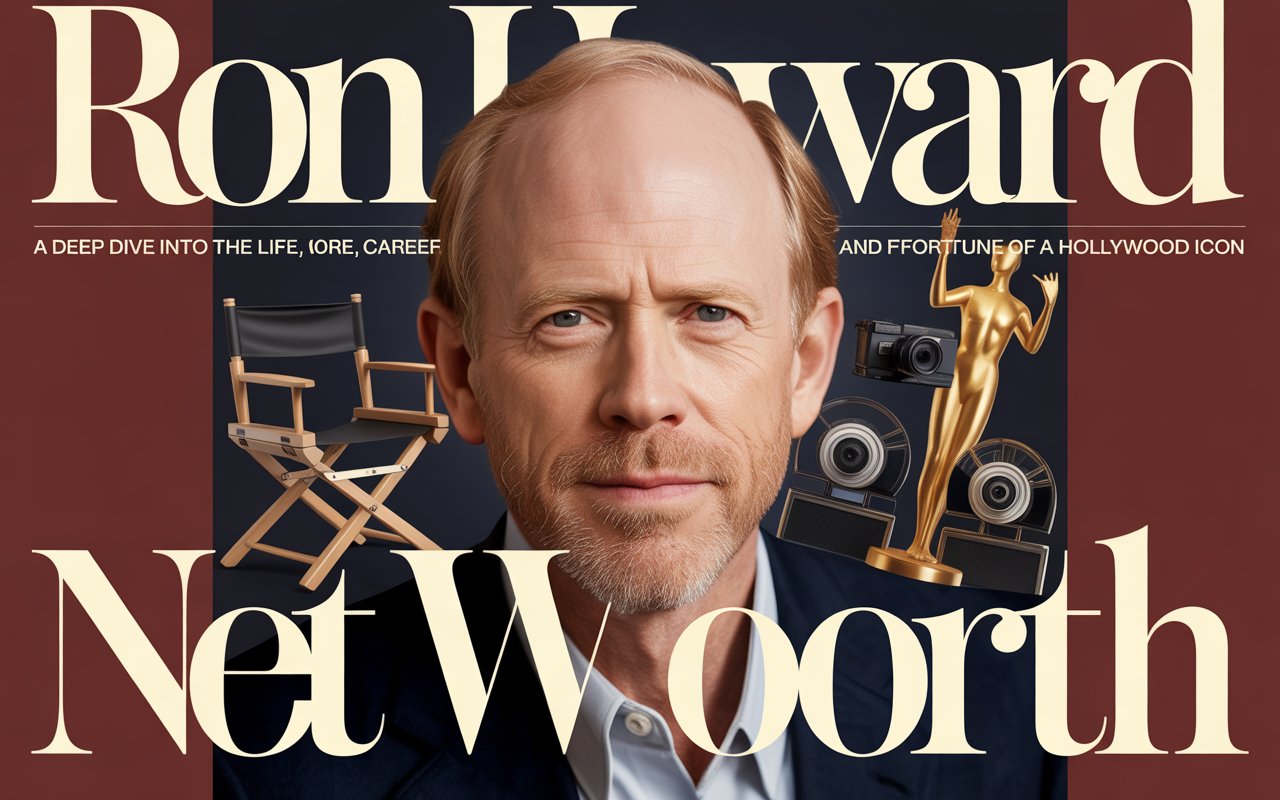
Ron Howard Net Worth: A Deep Dive Into the Life, Career, and Fortune of a Hollywood Icon

When people talk about long-lasting success in Hollywood, one name quietly stands tall—Ron Howard. From a child actor with a freckled face to an Academy Award-winning director, his journey feels less like a sprint and more like a marathon run with patience and precision. Naturally, many people are curious: how much wealth has he built over the years?But the bigger question isn’t the size of his fortune—it’s the strategy, persistence, and smart career moves that allowed him to build it step by step.
Let’s explore the full story behind Ron Howard’s financial success, career milestones, investments, and the steady climb that shaped his impressive fortune.
Early Life: A Foundation Built in Hollywood
Ron Howard was born into an acting family, which meant cameras and scripts were part of everyday life. His father, Rance Howard, was an actor, and his mother, Jean Speegle Howard, was also involved in the arts. So in many ways, his path was paved early.
The “Andy Griffith Show” Years
Howard first gained national recognition playing Opie Taylor on The Andy Griffith Show. As a child star, he quickly became a household name. While child actors often struggle to transition into adulthood careers, Howard made it look almost effortless.
Back in those early days, salaries weren’t astronomical like today’s streaming contracts. However, steady television work gave him financial security and, more importantly, industry credibility.
Transition to “Happy Days”
In the 1970s, he became Richie Cunningham on Happy Days. The sitcom was a massive hit and expanded his fame even further. By this point, Howard was earning significantly more and building long-term wealth through consistent television work.
The Big Shift: From Actor to Director
Here’s where things get interesting.
Many actors stay in front of the camera. Howard chose a different road. He stepped behind it.
Think of it like moving from being a player on the field to owning the team. Directing and producing opened entirely new income streams and long-term financial growth.
Directorial Breakthrough
His early directorial work, such as Night Shift and Splash, proved he had real talent. Studios began trusting him with larger budgets.
But the true turning point? Blockbusters such as Apollo 13, A Beautiful Mind, and The Da Vinci Code showcase the kind of large-scale storytelling that cemented his reputation as a master filmmaker. These projects weren’t just critically acclaimed—they were box office powerhouses.
Winning an Academy Award for Best Director for A Beautiful Mind elevated his status permanently. In Hollywood, awards often translate into negotiating power—and that means bigger paychecks.
Major Box Office Success and Earnings
When you look at his filmography, you’ll notice something consistent: scale.
Blockbuster Revenue
- The Da Vinci Code grossed hundreds of millions worldwide.
- Apollo 13 became a global success.
- A Beautiful Mind won multiple Oscars and performed strongly in theaters.
Directors of major studio films typically earn a combination of upfront salary and backend profit participation. That means when a movie performs well, they earn a percentage of the profits. Over decades, this model significantly boosts net worth.
It’s not just about one paycheck—it’s about long-term royalties and performance bonuses.
Imagine Entertainment: The Business Powerhouse
One of Howard’s smartest financial decisions was co-founding Imagine Entertainment with producer Brian Grazer.
Building a Production Empire
Imagine Entertainment has produced films, television shows, and documentaries across multiple platforms. Owning a production company is like planting a money tree that keeps growing. Instead of earning only as a director, Howard earns as an executive producer and co-owner.
The company has produced successful projects for theaters, broadcast television, and streaming services. This diversification adds stability and long-term income.
Television Projects and Streaming Era
While films made him famous as a director, television continued to strengthen his portfolio.
Narration and Production
He served as narrator and executive producer on Arrested Development, which became a cult favorite. With the rise of streaming platforms, the show found new audiences, bringing renewed royalties and licensing revenue.
In today’s entertainment landscape, streaming deals can be extremely lucrative. Howard’s involvement in both traditional and digital platforms keeps his income streams active.
Real Estate Investments
Like many successful figures in Hollywood, Howard has invested in property.
High-Value Properties
He has owned luxury homes in Connecticut and New York. Real estate often serves as a wealth-preserving asset. Over time, these properties appreciate in value, contributing significantly to overall net worth.
For high-net-worth individuals, property isn’t just about comfort—it’s a financial strategy.
Awards and Industry Recognition
Awards don’t directly deposit money into bank accounts—but they increase value.
Academy Awards and Beyond
Winning Oscars and earning nominations enhances credibility. Studios are more willing to fund projects directed by respected filmmakers. That means higher budgets, better contracts, and stronger backend deals.
Recognition builds leverage, and leverage builds wealth.
Estimated Net Worth Today
So, what is the financial picture?
Industry estimates suggest Ron Howard’s net worth is in the range of hundreds of millions of dollars. This figure comes from:
- Acting earnings
- Directing salaries
- Backend profit shares
- Production company ownership
- Television deals
- Real estate investments
What makes his wealth impressive isn’t just the number—it’s the sustainability. His income spans decades and multiple entertainment sectors.
Lifestyle and Financial Philosophy
Unlike many flashy Hollywood personalities, Howard is known for being grounded and private.
A Stable Personal Life
He has been married to Cheryl Howard for decades—a rarity in show business. Stability in personal life often mirrors financial discipline. Instead of reckless spending, his career reflects strategic growth.
Low-Drama Reputation
He’s known as professional, calm, and reliable. In Hollywood, reputation is currency. When studios trust you, opportunities keep coming.
Philanthropy and Giving Back
Financial success often brings responsibility.
Howard has supported various charitable causes related to education, film preservation, and arts programs. While philanthropy doesn’t increase net worth, it enhances legacy—and sometimes offers tax advantages.
But more importantly, it shows that wealth can be used to make an impact beyond personal gain.
Career Longevity: The Secret Ingredient
If you think about it, his career is like a long-running television series—season after season of steady performance.
Adaptability
He moved from child actor to teen idol, then director, producer, and media executive. Each evolution expanded his earning potential.
In an industry where careers often fade quickly, adaptability is priceless.
Comparing Him to Other Directors
When placed alongside other top-tier directors, Howard’s financial standing is competitive.
While he may not command the billion-dollar franchise scale of some blockbuster directors, his diversified portfolio makes him financially secure and consistently relevant.
He represents smart growth rather than explosive, risky leaps.
The Bigger Picture: More Than Just Money
At the end of the day, wealth is only one chapter in the story.
Howard’s success reflects:
- Discipline
- Strategic decisions
- Long-term thinking
- Strong partnerships
- Consistent quality
It’s not just about how much he earned—it’s about how he built it. Brick by brick, project by project.
Conclusion
Ron Howard’s net worth is the result of decades of steady dedication to storytelling. From child actor to award-winning director and successful producer, he expanded his role in the entertainment industry at exactly the right times. Instead of chasing quick fame, he built a foundation that could support lifelong growth.
His financial journey shows that success in Hollywood isn’t only about spotlight moments. Sometimes, it’s about making smart moves behind the scenes, nurturing relationships, and evolving with the industry. And that steady climb? It’s what transformed him from a young television star into one of the most respected and financially successful figures in entertainment.
FAQs
1. What is Ron Howard’s estimated net worth?
His wealth is estimated to be in the hundreds of millions of dollars, accumulated through acting, directing, producing, and business ventures.
2. How did Ron Howard make most of his money?
The majority of his earnings came from directing blockbuster films, profit participation deals, and co-founding a successful production company.
3. Does Ron Howard still work in Hollywood?
Yes, he remains active as a director and producer, especially in film and streaming projects.
4. Did winning an Oscar increase his earnings?
Awards improve industry reputation, which often leads to higher-paying contracts and better project opportunities.
5. Is real estate part of his financial portfolio?
Yes, property investments have contributed to preserving and growing his overall wealth.



Post Comment