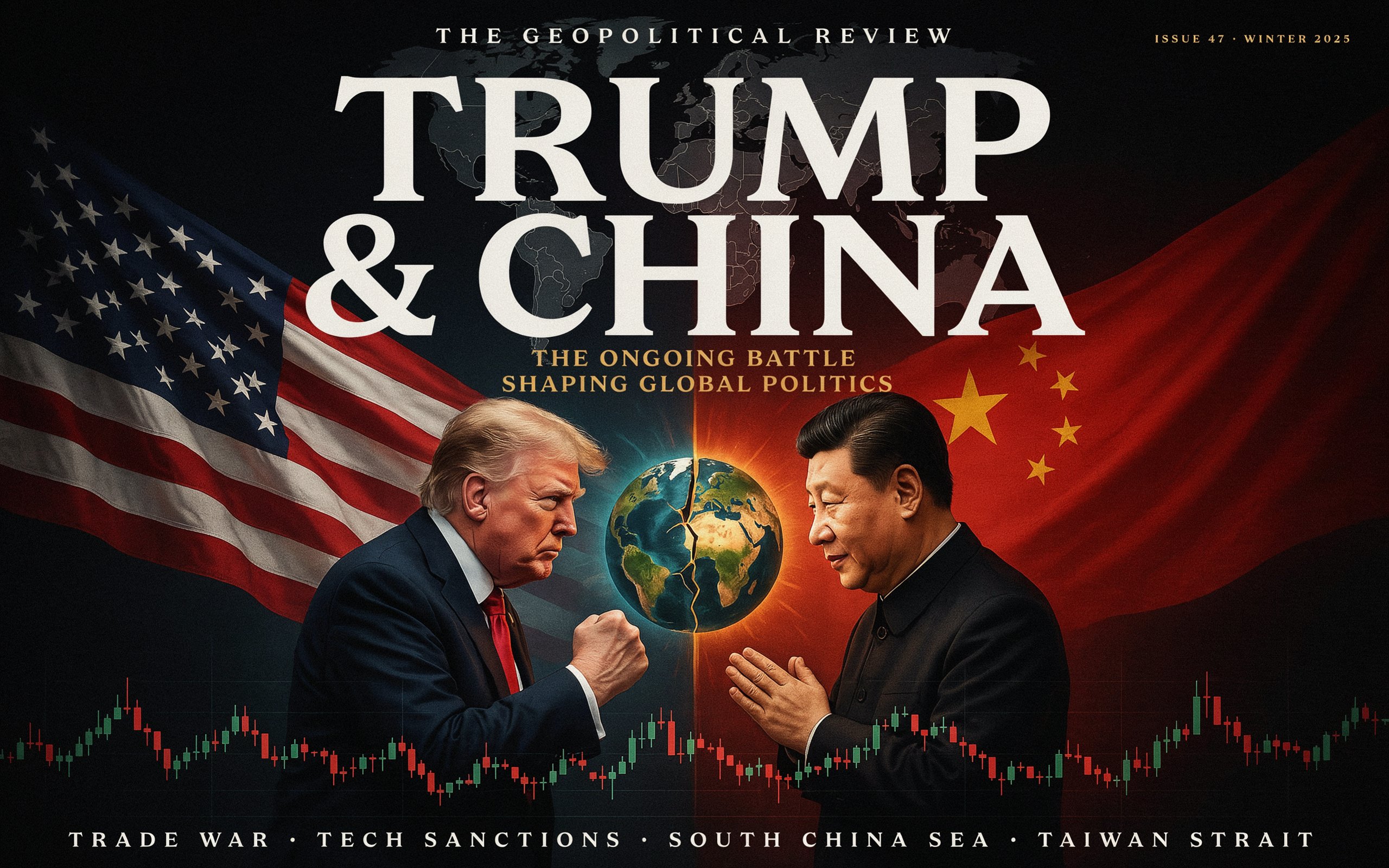
Trump and China: The Ongoing Battle Shaping Global Politics
Introduction
Few international relationships have attracted as much attention in recent years as the one between Trump and China. The political and economic rivalry between the United States and China has influenced global markets, international diplomacy, and trade policies across the world.
Whether you follow Trump news today, track global economic trends, or simply want to understand why this relationship matters, the ongoing tensions between Washington and Beijing continue to shape major decisions affecting businesses, governments, and everyday consumers.
In this article, you’ll learn how Donald Trump’s policies changed U.S.-China relations, the role of Chinese President Xi Jinping, the impact of trade disputes, and what the future may hold for the world’s two largest economies.
What Is the Trump and China Conflict About?
At its core, the conflict between Trump and China centers on trade, economic competition, national security, and geopolitical influence.
For years, American leaders argued that China benefited from trade practices that placed U.S. companies at a disadvantage. When Donald Trump entered office, he made addressing these concerns a major priority.
Why Trump Focused on China
Many voters asked, “Why Trump chose China as a key target of his economic agenda?”
Trump argued that:
- The United States had a significant trade deficit with China.
- American manufacturing jobs were moving overseas.
- Chinese companies received unfair advantages from government support.
- Intellectual property concerns affected American businesses.
His administration believed stronger measures were necessary to rebalance the economic relationship between the two countries.
Trump Trade Policies and Their Global Impact
One of the defining features of Trump’s presidency was his approach to international trade.
The Beginning of the Trade War
The Trump trade strategy included imposing tariffs on hundreds of billions of dollars worth of Chinese goods.
The administration’s goal was to encourage China to make changes in areas such as:
- Market access
- Intellectual property protections
- Technology transfers
- Industrial subsidies
China responded with tariffs on American products, leading to a prolonged trade dispute often referred to as the U.S.-China trade war.
Effects on Businesses and Consumers
The trade conflict produced mixed results.
Supporters argued that tariffs pressured China to negotiate and highlighted long-standing economic concerns.
Critics pointed out that:
- Some American businesses faced higher costs.
- Supply chains became more complicated.
- Consumers experienced price increases on certain goods.
Despite disagreements over effectiveness, the trade war demonstrated how interconnected the global economy had become.
China and Xi: Beijing’s Response
No discussion of Trump and China is complete without understanding the role of Chinese President Xi Jinping.
Xi Jinping’s Leadership Strategy
China and Xi have pursued policies focused on strengthening China’s economic and geopolitical position.
Under Xi’s leadership, China has:
- Expanded international investment programs.
- Increased technological development.
- Modernized military capabilities.
- Sought greater influence in global institutions.
Beijing has consistently maintained that its economic rise benefits global growth and stability.
Diplomatic Tensions
Relations between Trump and Xi experienced periods of cooperation and conflict.
The two leaders held multiple meetings and negotiations aimed at reducing trade tensions. However, disagreements frequently resurfaced over:
- Trade practices
- Technology restrictions
- Human rights issues
- Taiwan
- Security concerns in the Indo-Pacific region
These issues continue to influence diplomatic discussions today.
How Trump Changed U.S.-China Relations
Many analysts believe Trump’s presidency marked a significant turning point in American policy toward China.
A Shift from Engagement to Competition
For decades, many policymakers focused on economic engagement with China. Trump’s administration adopted a more competitive approach.
This shift influenced:
- Trade negotiations
- Foreign investment reviews
- Technology policies
- National security strategies
As a result, discussions about China’s global role became a central topic in American politics.
Bipartisan Concerns About China
Interestingly, concerns about China’s influence extend beyond a single political party.
While approaches differ, many U.S. policymakers continue to view China as a major strategic competitor.
This means that even after Trump’s presidency, many of the broader themes he emphasized remain relevant in current policy debates.
Trump News Today: Why the Relationship Still Matters
People searching for Trump news today often find that China remains a recurring topic.
Economic Importance
The United States and China are among the world’s largest economies. Policy choices and economic actions taken by either nation can have far-reaching effects on global markets and industries worldwide.
- Stock markets
- Manufacturing industries
- Technology companies
- International trade routes
Investors and businesses closely monitor developments because policy changes can have global consequences.
Political Significance
China continues to play an important role in discussions involving:
- National security
- Artificial intelligence
- Semiconductor production
- Global supply chains
- International alliances
As Trump remains a major political figure, his views on China continue to attract significant attention.
What Could Happen Next?
Predicting the future of U.S.-China relations is challenging, but several possibilities exist.
Increased Competition
Many experts expect competition between the two nations to continue in areas such as:
- Technology
- Defense
- Trade
- Artificial intelligence
Both countries are investing heavily in strategic industries that could define future economic leadership.
Selective Cooperation
Despite tensions, cooperation may still occur on issues where both sides share interests.
These areas may include:
- Climate initiatives
- Global health challenges
- Financial stability
- International trade standards
The relationship is likely to remain complex, combining competition with occasional collaboration.
Featured Snippet: What Is the Main Issue Between Trump and China?
The main issue between Trump and China involves trade, economic competition, national security concerns, and China’s growing global influence. Trump’s administration imposed tariffs on Chinese goods to address trade imbalances and push for economic reforms, leading to a broader strategic rivalry that continues to affect global politics today.
Frequently Asked Questions
What did Trump do regarding China?
Trump imposed tariffs on Chinese imports, renegotiated trade arrangements, and adopted a tougher stance on economic and security issues involving China.
Trump launched the trade war to address trade imbalances and push for changes to China’s economic practices.
Trump argued that China’s trade practices harmed American businesses and workers. His administration used tariffs as leverage to encourage policy changes.
How did China respond to Trump’s tariffs?
China imposed retaliatory tariffs on American products and participated in negotiations aimed at resolving trade disputes.
What role does Xi Jinping play in U.S.-China relations?
Xi Jinping serves as China’s leader and plays a central role in shaping China’s economic, diplomatic, and strategic policies toward the United States.
Why is Trump and China still a major news topic?
The relationship affects global trade, technology development, international security, and economic growth, making it one of the most important geopolitical issues in the world.
Conclusion
The story of Trump and China is far more than a disagreement between two leaders. It represents a broader struggle over trade, economic influence, technology, and global leadership. From Trump’s aggressive trade policies to China’s expanding international ambitions under Xi Jinping, the relationship continues to shape world affairs.
As new developments emerge and political landscapes evolve, understanding the dynamics between these two powers remains essential for anyone interested in economics, international relations, or global politics.




Post Comment