What Makes Oodle Dogs Popular Family Companions
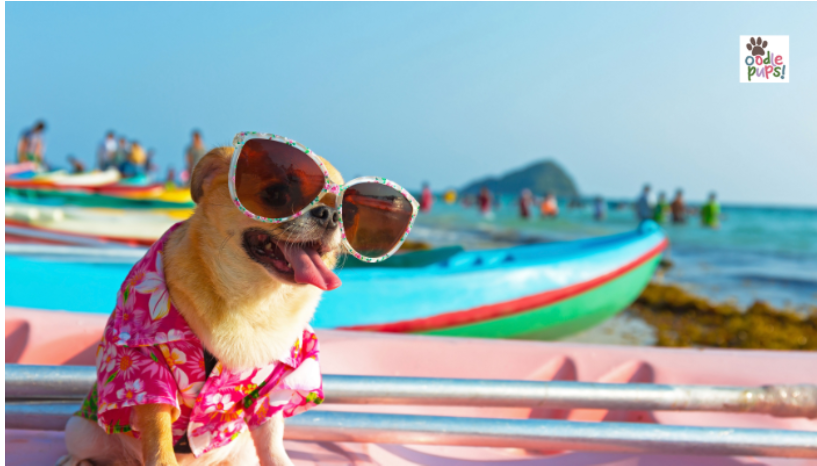
Oodle dogs have become one of Australia’s most popular family pet choices over the last decade. Do you know why that is? Because these dogs bring together low-shedding coats, a gentle nature, and a size range that works for just about any home.
There’s a lot more to it, though, and you’ll want to stay with us until the end to find out. Our team at Oodle Pups has spent years working with families across Brisbane, so we can guide you through what truly draws people to these breeds.
Here, we’ll mostly talk about coat types, size options, and what to ask before bringing a puppy home. Once you read through, you can make a far more confident decision.
The Temperament That Wins Families Over
Oodles win families over because they’re sociable, low-aggression dogs that bond quickly with people of all ages. Their poodle genetics make them highly intelligent, so they pick up training fast and slot into family life without much friction. That said, some do develop separation anxiety if left alone too long, so it’s a trait worth knowing about early.
Here’s a closer look at the most popular oodle companion dogs and what sets each breed apart from the rest.
Cavoodle Puppies and the Companion Dog Appeal
The best part about cavoodles is that they fit comfortably into almost any home, from a small flat to a sprawling suburban backyard. They’re one of those rare companion dogs that genuinely adapt to their environment rather than dictating it.
In fact, that adaptability is exactly what the cavalier king charles spaniel and poodle cross was always going to produce.
They also tend to carry the calm, affectionate nature of both parent breeds, and families across Australia have taken notice. That’s probably why they’re consistently among the most-searched poodle breed options in the country.
Let’s know a little more.
1. Cavoodle: The Compact Family Favourite
As we already mentioned, the cavoodle is one of Australia’s most popular companion dogs, and its small size is a big part of why families keep choosing it. Most cavoodles weigh between 5 and 12kg, so they’re easy to manage even with young kids around.
A toy poodle mix tends to produce the smallest cavoodle pups, while a miniature poodle cross brings a slightly sturdier build. Either way, you’re getting a dog with a big personality packed into a pretty compact frame. They rarely show destructive behaviour indoors, and the constant companionship they offer is something families genuinely appreciate over time.
2. Spoodle: The Cocker Spaniel Cross
Ever wondered what you’d get if you crossed a cocker spaniel with a poodle? The spoodle is exactly that, and active families tend to love it. It’s a sturdy, playful mid-sized dog with a lot of energy to burn.
Cocker spaniel genetics give spoodles a natural retrieving instinct and a genuine love of outdoor activity. They’re energetic dogs that do well with regular exercise, so a daily walk or backyard play session isn’t optional for this cross. What’s more, they adapt well to both city and suburban living if they get enough exercise each day.
Bigger Oodle Breeds Worth Knowing
So what happens when a poodle is crossed with a golden retriever or a Bernese mountain dog? You get some of the most loved large oodle breeds in Australia. Bigger hybrids suit families with more space, and they bring a warmer, more laid-back energy that smaller oodles sometimes don’t.
The following ones are worth adding to your research list:
- Labradoodle: A Labrador and poodle crossbreed with a friendly, easy-going nature
- Groodle: Combining the gentle temperament of the Golden Retriever with the intelligence of the Standard Poodle, the Groodle is a calm, family-friendly companion that thrives around children.
- Bernedoodle: Loyal and low-shedding, bred from the Bernese Mountain Dog
- Irish Doodle: Sociable and full of energy, with Irish Setter roots that show in its playful streak
It’s a genuinely strong option for families who want a bigger dog without the heavy shedding, and the groodle in particular delivers on both counts.
Size Options Across Oodle Dog Breeds
Did you know a toy cavoodle and a standard groodle can both be called oodles, yet weigh nearly 30kg apart? That’s the range you’re working with across this dog breed category, and it’s worth understanding before you fall in love with a breed that doesn’t suit your space.
Oodle sizes vary quite a bit depending on the poodle parent used in the cross. The following sizes give you a clear picture of what to expect:
- Toy Oodles: Bred from a toy poodle, these small dogs typically weigh between 3 and 6kg. Cavoodles and Maltese crosses often fall into this range.
- Miniature Oodles: A miniature poodle cross produces a sturdier build, usually between 6 and 15kg. Most cavoodles and spoodles sit here.
- Standard Oodles: Bred from standard poodles, these dogs can reach 30 to 35kg. Groodles and labradoodles are the most common examples in this range.
On top of that, size affects how much food your dog eats, how often they need grooming, and how well they fit your living space. Those three things alone can change the ownership experience quite a bit depending on which breed you go with.
Designer Dog Breeds: Are Oodles Worth It?
Oodles are designer dogs, and for most Australian families, they’re absolutely worth it when sourced from ethical breeders. The term “designer dogs” simply means a deliberate crossbreed between two purebred dogs, rather than an accidental mix. With oodles, that cross almost always involves a poodle on one side.
The reason families keep coming back to this crossbreed is consistency. Poodle traits like low shedding, high intelligence, and a friendly nature carry through reliably across most oodle varieties. That’s not something you’d always get from mixed breed dogs without a deliberate breeding programme behind them.
That said, oodles aren’t recognised under formal breed standards the way purebred dogs are. So health outcomes can vary between breeders. Buying from someone like Oodle Pups, who health tests both parent dogs, is the single most important step you can take to protect your pup’s long-term health.
What Makes Oodles So Allergy-Friendly?
Families with allergy sufferers will find Oodles far easier to live with than most other dogs available in Australia. The reason comes down to their low-shedding coats, which produce less dander than most other breeds. Dander, not fur itself, is what triggers reactions in allergy-prone people.
Worth knowing, though, no dog is fully hypoallergenic. Even low-shedding hybrids can still produce some dander, so the level of reaction varies from person to person.
If someone in your household has allergies, spend time with the specific breed before committing to a puppy. Your veterinarian can also advise on whether a particular oodle cross suits your family’s needs.
To maintain a healthy coat and keep allergen buildup low, oodles need professional grooming every 6 to 8 weeks. Skipping grooming appointments affects how much they shed around the house, and that’s felt by allergy sufferers pretty quickly.
Which Oodle Breed Fits Your Lifestyle?
Not every oodle breed suits every family, and picking the wrong size can make life harder than it needs to be. A quick comparison across the most popular breeds helps narrow things down fast.
| Breed | Size | Energy Level | Good With Kids | Good With Cats | Grooming Needs |
| Cavoodle | Small | Moderate | ✓ | ✓ | High |
| Spoodle | Medium | High | ✓ | ✓ | High |
| Labradoodle | Large | High | ✓ | ✓ | Moderate |
| Groodle | Large | Moderate | ✓ | ✓ | Moderate |
| Maltipoo | Small | Moderate | ✓ | ✓ | High |
Families with young kids and limited outdoor space will find smaller, moderate-energy breeds like the cavoodle far more suitable. They don’t need hours of walking each day, and they’re genuinely great family pets without being overwhelming.
On the flip side, energetic households with a yard and active kids tend to do well with a labradoodle or groodle. Both are high-energy dogs that love regular exercise, whether that’s a long walk, a backyard run, or a trip to the dog park.
Either way, any oodle breed you choose will reward you with loyal, affectionate companionship as long as their exercise needs are met.
3 Things to Ask Before Getting an Oodle Puppy
Now that you know which breed appeals to you, there are three practical questions worth asking any breeder before you commit. The answers will tell you a lot about the breeder’s standards and your pup’s long-term health.
- Health Clearances on Both Parents: Ask for written documentation confirming both parent dogs have been health tested. That cautiousness around health documentation is a sign of a responsible breeder, and any ethical breeder will have it ready.
- Early Socialisation Background: Check if the puppies have had access to children, other dogs, and everyday household environments before leaving the breeder. Early socialisation lowers anxiety in young pups and sets the foundation for good training down the track.
- Ongoing Ownership Costs: Get a clear picture of feeding, grooming, and veterinarian costs before deciding on a breed size. After all, a larger dog comes with a bigger appetite, higher vet bills, and more grooming time. Food bills and appointments all add up, so it pays to plan.
Responsible ownership starts before the puppy even comes home. Asking these questions upfront saves a lot of stress later on, and it tells you if the breeder genuinely has your pup’s health and wellbeing in mind.
Ready to Find Your Family’s Perfect Match?
Oodle dogs bring a rare combination of qualities to family life, from low-shedding coats and calm temperaments to a sense of companionship that’s hard to find in other breeds.
The right breed comes down to your space, your schedule, and how much activity your family can commit to. Cavoodle or Labrador cross, there’s an oodle out there for every household.
Oodle Pups is a great starting point for Brisbane families ready to take the next step. Get in touch, and we’ll support you in finding the right fit.




Post Comment