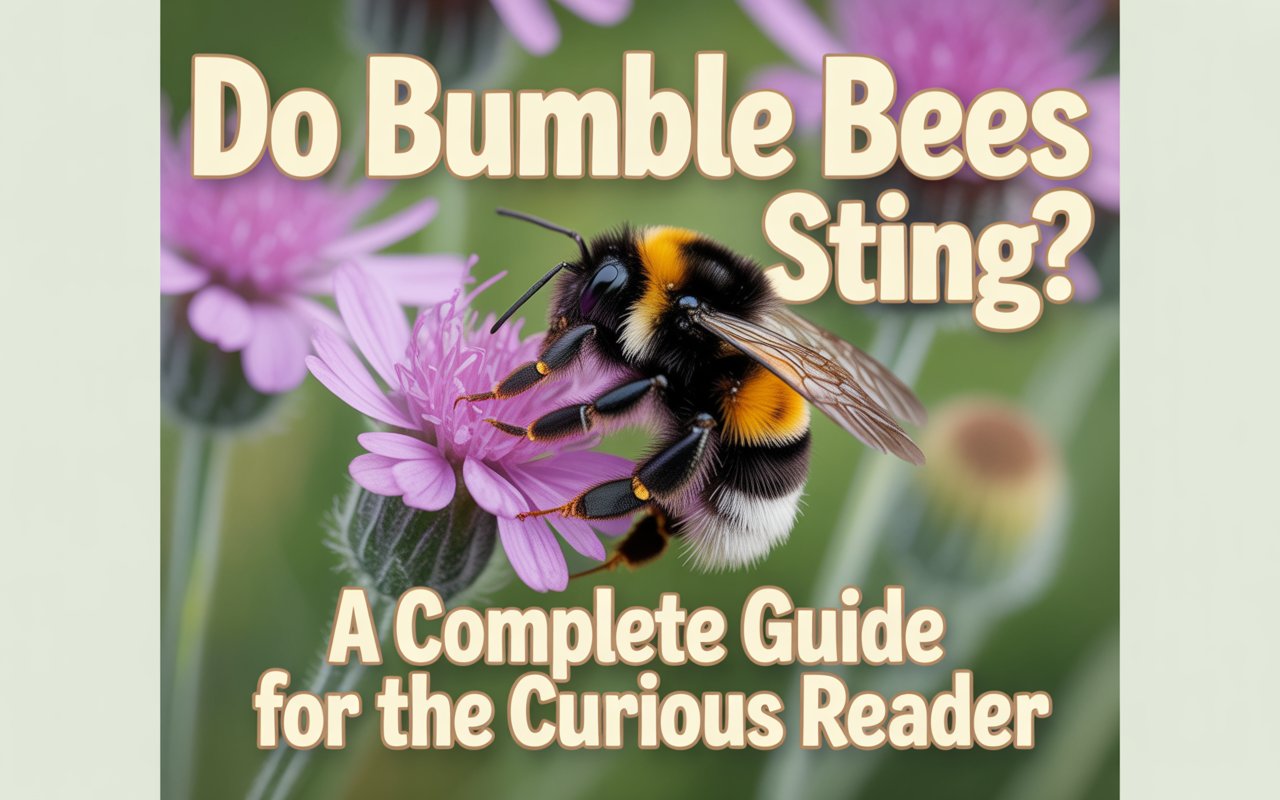
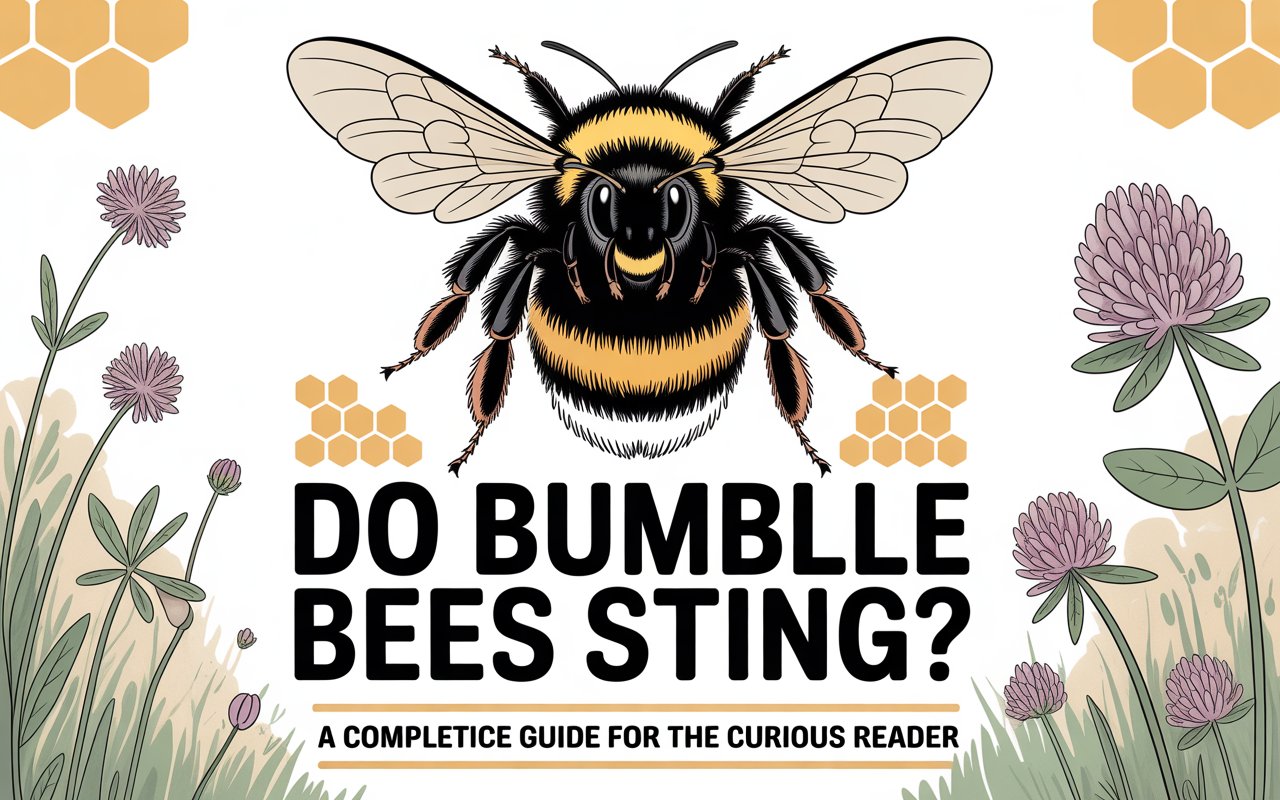
Do Bumble Bees Sting? A Complete Guide for the Curious Reader
When most people see a buzzing bee hovering nearby, the first instinct is usually to step back—or maybe run. And honestly, who hasn’t done that little awkward dance when a bee zips too close? But not all bees behave the same way, and when it comes to bumble bees, their stinging habits are a bit different from what many imagine. In this guide, we’ll explore whether bumble bees sting, why they do it, how often they can do it, and what you should do if you ever cross paths with one.
Think of this article as a friendly chat with someone who spent way too much time watching bees in their garden and now wants to share everything they’ve learned. Ready? Let’s get into it.
Introduction: Why Are We So Afraid of Bumble Bees?
Even though bumble bees look large and fuzzy—almost cute, like flying cotton balls—they still have a reputation tied to stinging. Before we dive deeper, let’s answer the question on everyone’s mind: Yes, they can sting, but the story doesn’t end there. Their behavior, motivation, and nature paint a different picture than the usual fear-based assumptions we make.
H2: Understanding Bumble Bees: Who Are These Fuzzy Creatures?
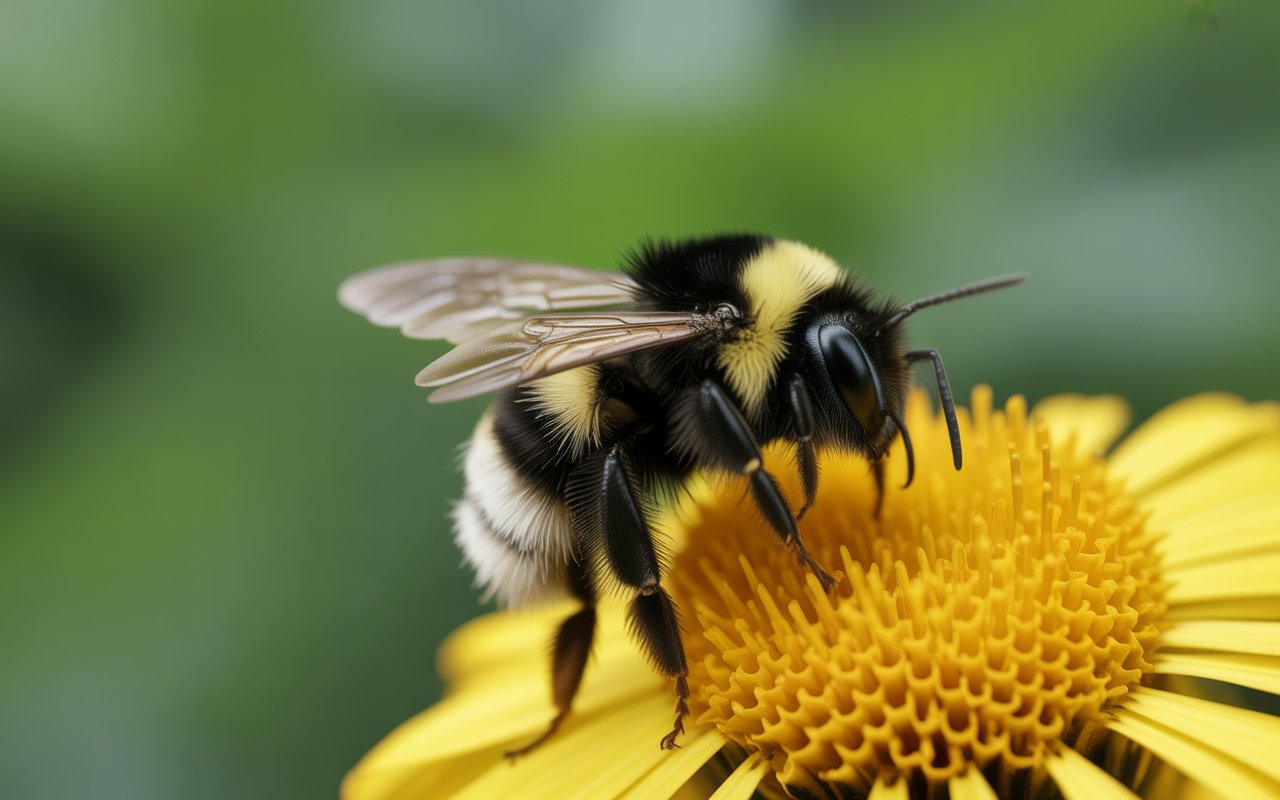
Bumble bees are the soft-hearted giants among buzzing pollinators. Unlike their slimmer and more intense relatives like honey bees, they’re plump, covered in soft hairs, and have a slower, calmer flight pattern. If bees were characters in a movie, bumble bees would definitely be the friendly giants with warm personalities and no desire for drama.
What Makes Bumble Bees Unique?
Bumble bees belong to the genus Bombus. They’re social insects that live in small colonies typically found in grassy areas, abandoned holes, or under sheds. Unlike honey bees with thousands of residents, bumble bee colonies are more modest, ranging from 50 to 400 members.
Why Their Behavior Matters
Understanding how they think and act makes it much easier to know why they sting—and more importantly, why they usually don’t.
H2: So, Do Bumble Bees Sting? The Short Answer
Yes, female bumble bees can sting, but male bumble bees cannot. Their stingers are simply not equipped for the job. But here’s the part people don’t realize: They won’t sting unless they are seriously provoked.
Imagine someone pushing a peaceful giant repeatedly—it takes a while before they react. Bumble bees are the same. They’re defensive, not aggressive.
H2: The Anatomy of a Bumble Bee Sting
How the Stinger Works
Unlike honey bees whose stingers are barbed (meaning they can sting once and then die), bumble bees have smooth stingers. This means they can sting multiple times—but they rarely choose to.
Why the Smooth Stinger Matters
A smooth stinger allows them to defend their nest more effectively. But away from their nest, bumble bees are surprisingly mellow. Most are far more interested in gathering nectar and pollen than dealing with threats.
H2: Why Do Bumble Bees Sting?
Stinging is a last resort for bumble bees. They don’t sting out of curiosity or annoyance; they sting when they feel cornered or when their colony is threatened.
Reasons a Bumble Bee May Sting
1. You disturb their nest
Accidentally stepping on, touching, or getting too close to a nest is one of the few situations where bumble bees respond defensively.
2. They’re handled roughly
Like any living being, being squeezed or trapped triggers a defense response.
3. The bee is startled
Fast, sudden movements may make them feel unsafe.
Reasons They Usually Don’t Sting
-
They’re feeding
-
They’re flying around you
-
They’re inspecting smells or colors
-
They simply crossed your path
-
They’re on flowers and you accidentally get close
Bumble bees don’t wake up thinking, “Who can I sting today?” Their primary mission is food collection.
H2: Can Bumble Bees Sting More Than Once?
Yes, they can. Because their stingers don’t get stuck in the skin, they can sting repeatedly. However, you won’t find a bumble bee doing that unless the situation is truly extreme. If a bumble bee stings you several times, it means it felt very threatened or trapped.
But luckily, such scenarios are rare.
H2: Are Bumble Bee Stings Dangerous?
Let’s talk safety, because that’s what most people are concerned about.
Normal Reactions
For most individuals, a bumble bee sting causes:
-
Sharp pain at the moment of the sting
-
Redness
-
Swelling
-
Mild itching
Most of these effects usually settle down within a few hours and rarely last beyond a day or two.
Allergic Reactions
Some people may have allergic responses, which can range from mild to severe. The most concerning is anaphylaxis—a medical emergency that needs immediate treatment. Thankfully, this is not common.
So Should You Be Scared?
Not really. Knowledge reduces fear. Once you understand why bumble bees sting and how they behave, it’s easier to stay calm around them.
H2: What Should You Do If a Bumble Bee Stings You?
If you ever get stung, here’s a simple step-by-step guide.
Step 1: Stay Calm
Panicking increases heart rate, which spreads venom faster.
Step 2: Clean the Area
Use soap and water to prevent infection.
Step 3: Reduce the Swelling
A cold compress works wonders.
Step 4: Manage Pain and Itchiness
Over-the-counter medications can help if the sting site becomes bothersome.
If You Notice Serious Symptoms
Difficulty breathing, dizziness, or swelling of the face or throat requires immediate medical attention.
H2: How to Avoid Getting Stung by a Bumble Bee
Rather than living in fear, there are simple habits that help prevent stings.
Move Slowly
Quick movements may make you seem like a threat.
Give Them Space
Respect their nests and feeding areas.
Avoid Noise and Vibration Near Nests
Loud lawn equipment or tapping near nests can alarm them.
Don’t Try to Swat Them Away
Swatting breaks the peace pact between humans and bees.
H2: Bumble Bees and Humans: A Peaceful Coexistence
Bumble bees play a massive role in pollination. Your favorite fruits, vegetables, and flowers thrive because of their work. They’re like tiny gardeners who never take a day off.
Why They’re Important
-
They pollinate plants early in the morning when other bees are inactive.
-
Their large bodies allow them to perform “buzz pollination.”
-
Many crops depend on them for survival.
Why You Should Appreciate Them
Next time you see a bumble bee, instead of feeling scared, think of them as the gentle gardeners of the world—doing the jobs that help our food system thrive.
H2: Common Myths About Bumble Bee Stings
Let’s clear up a few misunderstandings.
Myth 1: All Bumble Bees Sting
Only females can sting, not males.
Myth 2: They Sting Without Reason
They’re not aggressive and avoid conflict whenever possible.
Myth 3: They Die After Stinging
Only honey bees die after stinging. Bumble bees survive and are capable of stinging more than once.
Myth 4: Bumble Bees Chase People
If a bumble bee seems to be following you, it’s usually because it’s curious—not malicious.
H2: When Should You Worry About Bumble Bees?
Most of the time, there’s no reason for concern. But there are a few cases that require caution.
Signs You’re Too Close to a Nest
-
Loud buzzing
-
Several bees circling around you
-
Bees bumping into you (warning behavior)
When to Call a Professional
If you find a nest in a high-traffic area, especially if children or pets are involved, a local bee specialist can relocate it safely.
H2: Final Thoughts: The Truth About Bumble Bees and Stinging
In the grand story of nature, bumble bees are the peaceful helpers, not the villains. Yes, they can sting, but they rarely want to. They’re more focused on keeping flowers blooming and ecosystems thriving. Understanding their behavior not only reduces fear—it helps us coexist with a species that’s vital to our world.
Next time a bumble bee buzzes past you, think of it like a friendly neighbor just doing their rounds. Respect them, and they’ll respect you back.
FAQs
1. Do bumble bees sting humans?
Yes, but only female bumble bees can sting, and they usually do so only when threatened.
2. Can bumble bees sting more than once?
Yes. Their stingers don’t get stuck in the skin, so they can sting multiple times if necessary.
3. Are bumble bees aggressive?
No. They’re considered gentle and won’t sting unless they feel their nest is in danger.
4. How do I treat a bumble bee sting at home?
Clean the area, apply a cold compress, and use over-the-counter pain or allergy relief if needed.
5. Should I remove a bumble bee nest if it’s near my house?
Only if it’s in a spot where people or pets might disturb it. Otherwise, it’s safe to leave it alone, as bumble bees rarely cause issues.







Post Comment