Earthquakes in Russia: Understanding the Shaking Ground Beneath One of the World’s Largest Nations

When we think about earthquakes, places like Japan or California often come to mind. But have you ever wondered what happens when the ground shakes in Russia—the largest country on Earth? Stretching across two continents and multiple tectonic zones, Russia experiences earthquakes that range from barely noticeable tremors to powerful events that reshape landscapes. Understanding these earthquakes isn’t just about science; it’s about people, safety, and how a nation adapts to forces it cannot control.
Let’s take a clear, human-friendly look at earthquakes in Russia—where they happen, why they occur, how people prepare, and what the future may hold.
Russia’s Vast Landscape and Hidden Fault Lines
Russia covers an enormous area, spanning Eastern Europe, northern Asia, and parts of the Pacific Ring of Fire. With such size, it’s no surprise that the country sits on several active geological zones.
While much of western Russia is relatively stable, other regions lie close to tectonic boundaries. Think of Russia like a giant patchwork quilt: some sections are calm and still, while others are stitched right along seams that can suddenly pull apart.
These seams—known as fault lines—are where earthquakes are born.
Why Earthquakes Happen in Russia
At its core, an earthquake happens when stress builds up between moving plates beneath the Earth’s surface and is suddenly released. Russia is affected by the movement of the Eurasian Plate and nearby plates in the Pacific region.
In eastern Russia, especially near the coast, the Earth’s crust is under constant pressure. Over time, that pressure snaps—much like bending a ruler until it suddenly breaks. The energy released travels through the ground, and we feel it as shaking.
This natural process has been happening for millions of years, long before cities or borders existed.
The Most Earthquake-Prone Regions in Russia
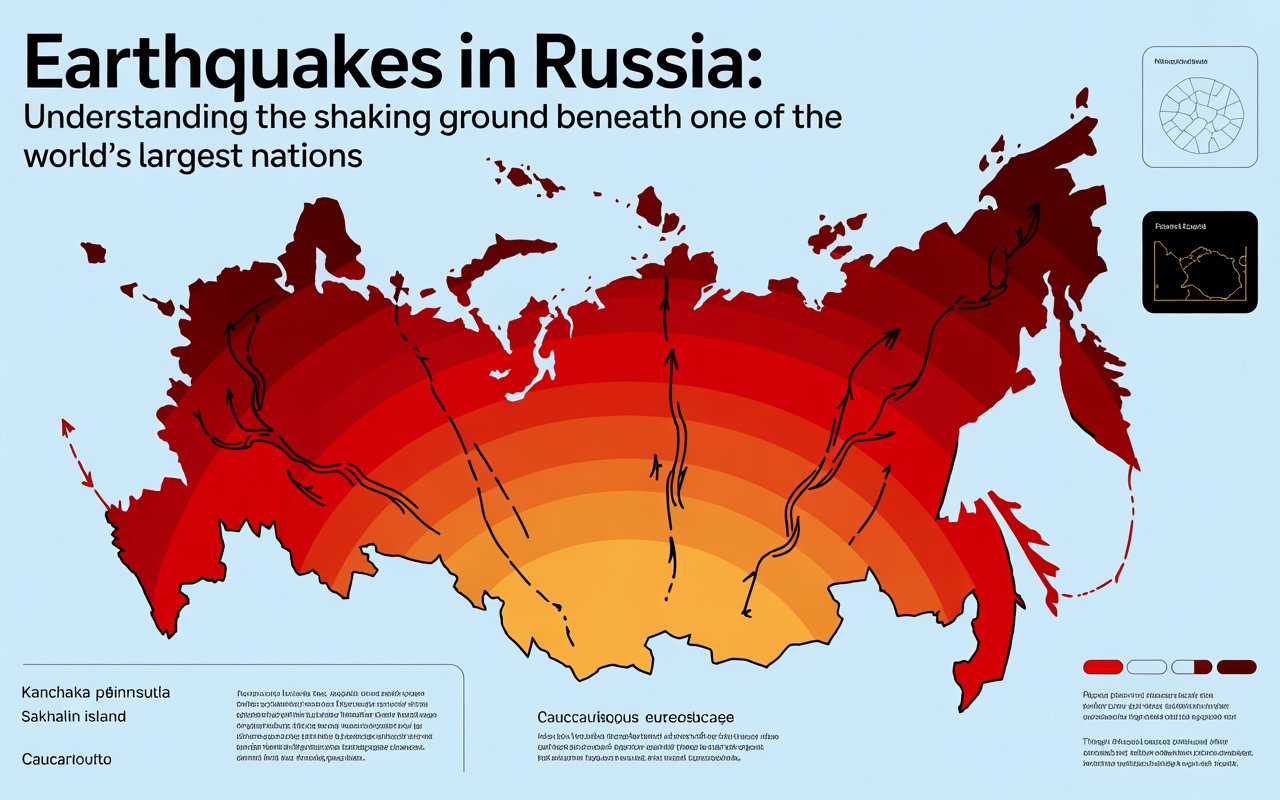
Not all parts of Russia face the same level of risk. Some areas experience frequent seismic activity, while others remain quiet for centuries.
Kamchatka Peninsula
This area ranks among the most seismically dynamic places on the planet, with frequent underground movement shaping its landscape.Located along the Pacific Ring of Fire, Kamchatka regularly experiences strong tremors due to plate interactions beneath the ocean floor.
Sakhalin Island
Situated near Japan, Sakhalin has a history of damaging earthquakes. Its location near plate boundaries makes it especially vulnerable.
Kuril Islands
This chain of islands stretches between Russia and Japan and is another hotspot for seismic movement, often linked to deep-sea tectonic shifts.
Southern Siberia
Areas near Lake Baikal also experience earthquakes, driven by ancient rift zones where the Earth’s crust is slowly pulling apart.
A Look Back: Major Earthquakes in Russian History
Russia’s seismic history includes several powerful events that left lasting marks on communities and scientific understanding.
One notable earthquake struck Sakhalin in the mid-1990s, causing widespread destruction and highlighting the risks of building without seismic planning. In Kamchatka, powerful earthquakes in the 20th century triggered large waves that traveled across the Pacific.
These events acted as wake-up calls, reminding both citizens and authorities that preparation matters—even in remote regions.
How Earthquakes Affect Russian Communities
Earthquakes don’t just shake the ground; they shake lives. In Russia, the impact depends heavily on location and preparedness.
In sparsely populated areas, damage may be limited to infrastructure like roads or pipelines. In cities, however, even moderate shaking can disrupt daily life—cutting power, damaging buildings, and forcing evacuations.
For people living in high-risk regions, earthquakes are an invisible neighbor: quiet most of the time, but always present.
Earthquake Safety and Preparedness in Russia
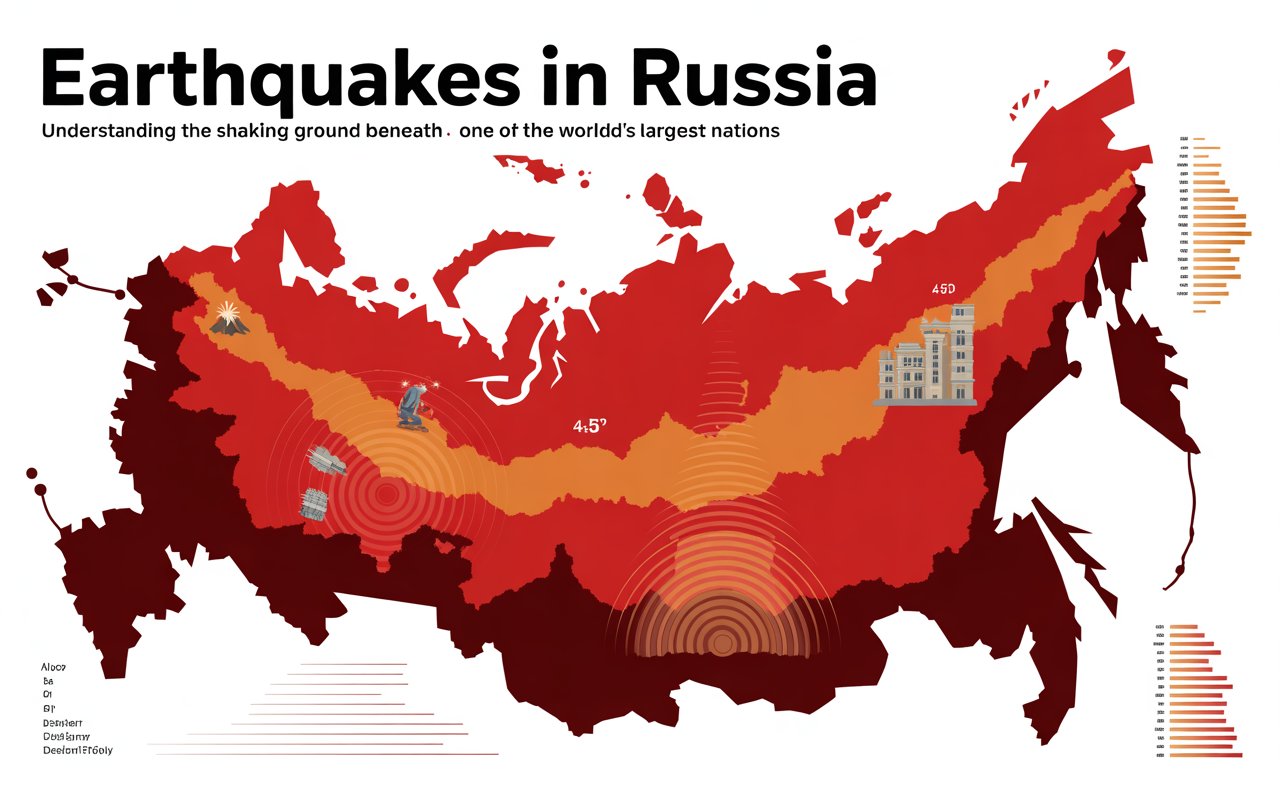
Over the years, Russia has improved how it prepares for seismic events. Modern building codes in high-risk areas now include designs that allow structures to sway without collapsing.
Emergency drills, public education campaigns, and early-warning research all play a role. While predicting an earthquake precisely remains impossible, preparedness can save lives.
It’s a bit like wearing a seatbelt. You hope you never need it, but if the unexpected happens, it makes all the difference.
The Role of Scientists and Monitoring Systems
Russian scientists actively monitor seismic activity using networks of sensors spread across the country. These instruments detect even the smallest ground movements, helping researchers understand patterns and risks.
Data from these systems also contributes to global research, as earthquakes don’t respect borders. By sharing information, scientists worldwide can better understand how our planet behaves.
This constant observation turns each earthquake into a lesson rather than just a disaster.
Urban Planning and Construction in Seismic Zones
One of the biggest challenges in earthquake-prone regions is construction. Older buildings, especially those built without seismic considerations, are more vulnerable.
In newer developments, engineers focus on flexibility rather than rigidity. Buildings are designed to absorb motion, much like trees bending in strong wind instead of snapping.
This approach has already reduced damage in several recent earthquakes, proving that smart design can coexist with nature’s power.
Earthquakes and Russia’s Natural Environment
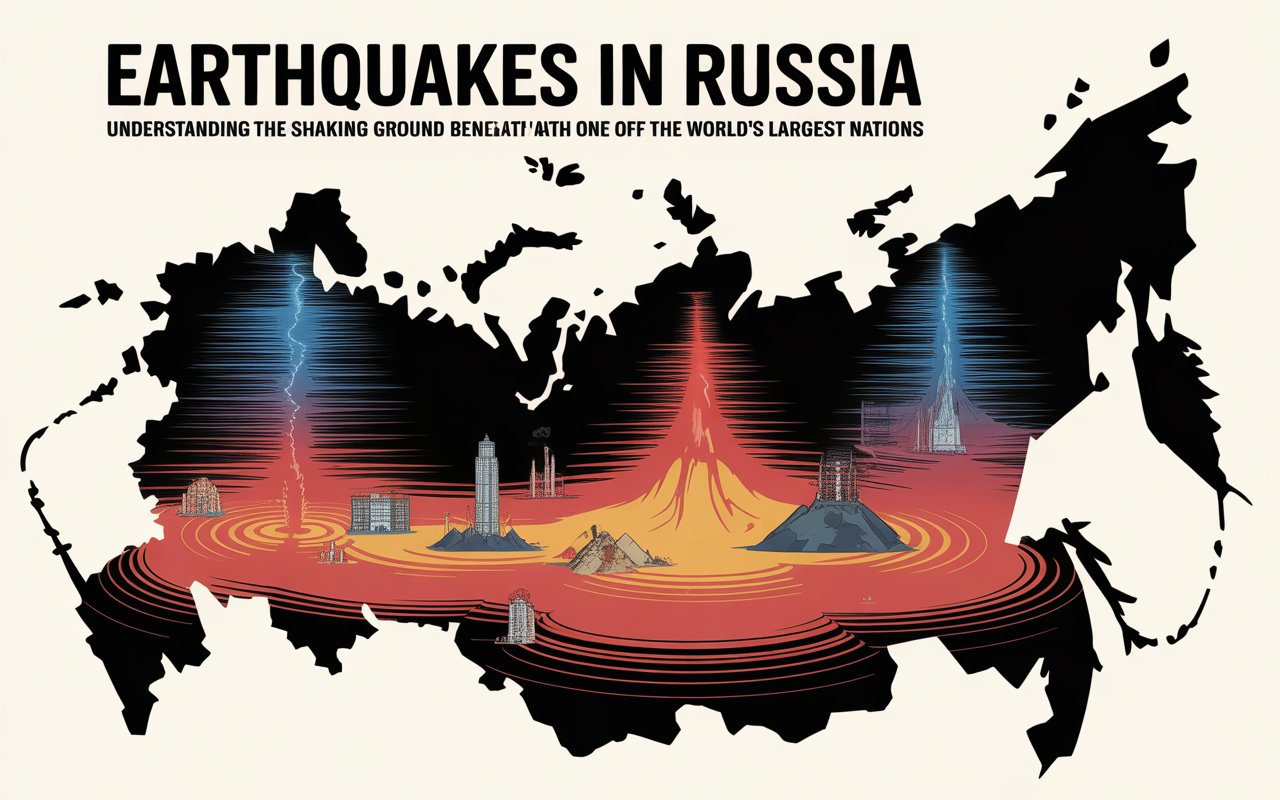
Earthquakes don’t only affect people—they reshape nature too. In remote regions, tremors can trigger landslides, alter river paths, or create new springs.
In volcanic areas like Kamchatka, earthquakes are often linked with volcanic activity, as both are driven by underground forces. This connection makes the region a living laboratory for Earth science.
Nature, in these moments, reminds us that the planet is alive and constantly changing.
Public Awareness and Media Coverage
How people respond to earthquakes often depends on what they know. Media coverage in Russia plays an important role in spreading awareness, especially during major events.
Clear communication helps reduce panic and misinformation. When people understand what’s happening and what to do, they feel more in control—even when the ground feels anything but stable.
Education, in this sense, becomes a form of protection.
The Future of Earthquake Preparedness in Russia
Looking ahead, Russia continues to invest in research, infrastructure, and education. Advances in technology may improve early warning systems, giving people precious seconds to react.
Urban growth in seismic regions remains a challenge, but smarter planning and international cooperation offer hope.
Earthquakes will never disappear, but their impact can be reduced. The goal isn’t to fight nature—it’s to live wisely alongside it.
Conclusion: Living With a Shifting Planet
Earthquakes in Russia are a powerful reminder that even the largest nations rest on fragile ground. From the icy coasts of the Pacific to the depths of Siberia, the Earth is always moving beneath our feet.
By understanding where earthquakes happen, why they occur, and how people prepare, we gain more than knowledge—we gain respect for the planet we call home. Like a drumbeat deep underground, earthquakes remind us that the Earth is alive, and we are part of its story.
Frequently Asked Questions (FAQs)
1. Does all of Russia experience earthquakes?
No, seismic activity is concentrated mainly in eastern and southern regions, while much of western Russia remains relatively stable.
2. Which part of Russia has the strongest earthquakes?
The Kamchatka Peninsula experiences some of the strongest and most frequent earthquakes due to its location near the Pacific Ring of Fire.
3. Can earthquakes in Russia cause tsunamis?
Yes, offshore earthquakes near the Pacific coast have the potential to generate tsunamis that may affect nearby regions.
4. Are Russian buildings designed to handle earthquakes?
In high-risk areas, modern buildings follow seismic safety standards, though older structures may still be vulnerable.
5. Can scientists predict earthquakes in Russia?
Exact prediction isn’t possible, but monitoring systems help assess risk and improve preparedness through early detection and research.







Post Comment