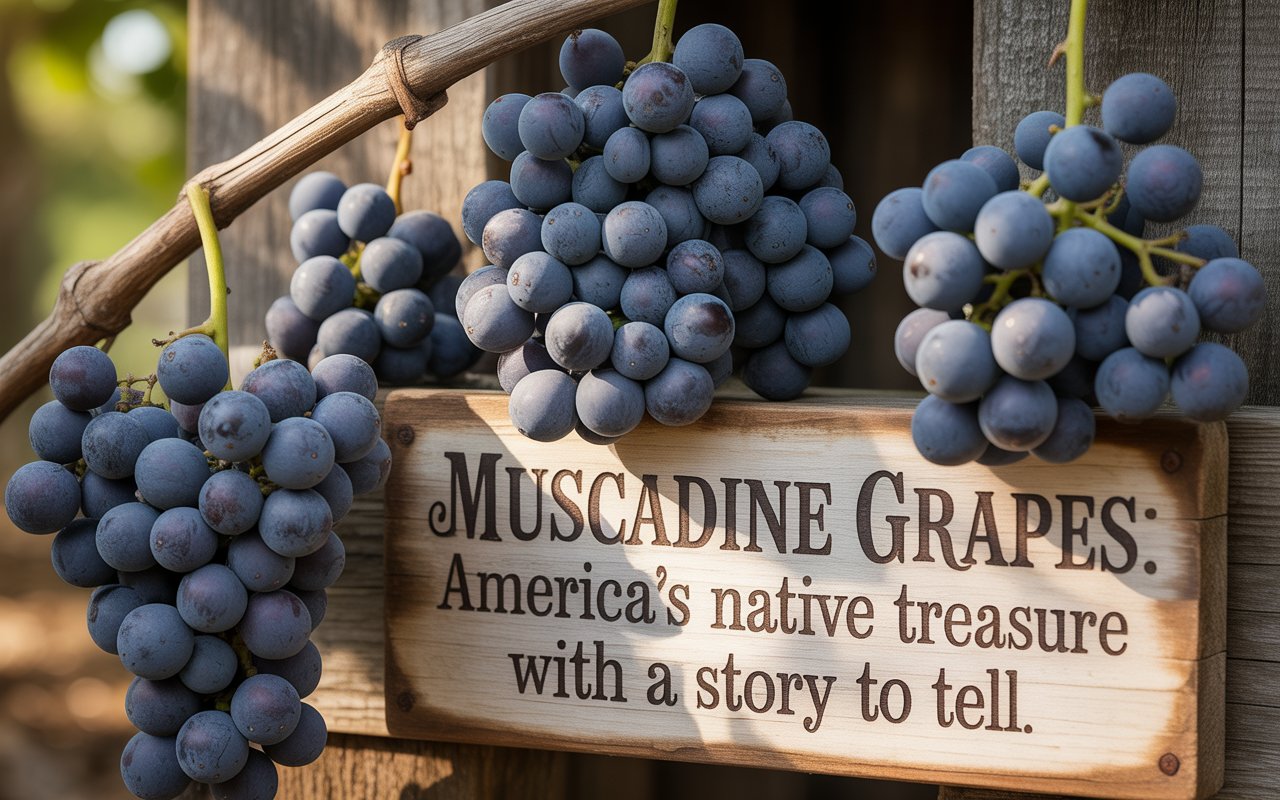
Muscadine Grapes: America’s Native Treasure with a Story to Tell

If you’ve ever bitten into a grape and felt like it carried the warmth of summer and the memory of old backyards, you might already understand the charm of muscadine grapes. These grapes aren’t just fruit—they’re a piece of American heritage, quietly thriving for centuries while the rest of the world focused elsewhere. So what makes them so special, and why are more people rediscovering them today? Let’s take a relaxed walk through their story, uses, and surprising benefits.
The Origins: Where Muscadine Grapes Come From
Muscadine grapes originate naturally in the southeastern United States, where they have thrived for centuries in the region’s warm, humid climate. Long before vineyards became tourist destinations, these grapes were growing wild across forests, fence lines, and riverbanks. Indigenous communities valued them for food and medicine, and early settlers quickly followed suit.
Unlike European grape varieties that were later imported, muscadines adapted naturally to the humid Southern climate. Think of them as locals who know the land inside out—they didn’t need much help to survive, and that resilience still defines them today.
What Sets Muscadines Apart from Other Grapes
At first glance, muscadines look different. They’re larger, rounder, and have a thicker skin than the grapes you usually see at the grocery store. That skin can surprise first-time eaters, but it’s part of their personality.
Flavor-wise, they’re bold and slightly wild. Some people describe the taste as earthy or floral, while others notice a natural sweetness that feels deeper than common table grapes. Eating one is a bit like listening to vinyl records—it’s not polished, but it’s rich and authentic.
Varieties You Might Encounter

There isn’t just one kind of muscadine grape. Over time, growers have developed many varieties to suit different needs.
Bronze types
These are often lighter in color and slightly sweeter. They’re popular for fresh eating and juice.
Dark-skinned types
These tend to have a deeper, more intense flavor and are often used for wine or preserves.
Seeded and seedless options
Traditional muscadines contain seeds, but modern breeding has introduced seedless versions for convenience.
Each variety has its own character, like members of the same family who share traits but still stand out in their own way.
How Muscadine Grapes Grow and Thrive
One of the most impressive things about muscadines is how tough they are. They resist many pests and diseases that trouble other grape varieties. That means fewer chemicals and less fuss for growers.
They prefer warm temperatures, plenty of sunshine, and room to spread out. Their vines can live for decades, sometimes producing fruit for over a hundred years. That kind of longevity is rare in agriculture and gives muscadines an almost timeless quality.
Nutritional Value: Small Fruit, Big Benefits
Muscadine grapes punch well above their weight when it comes to nutrition.They’re rich in naturally occurring plant compounds that help promote balance and support everyday well-being.
They contain fiber, which helps digestion, and antioxidants that support the body’s natural defenses. The skins and seeds are especially rich in beneficial plant compounds, which is one reason many people choose to eat them whole.
It’s like getting bonus features in something you already enjoy—snack-sized fruit with hidden strengths.
The Role of Muscadines in Traditional Food Culture
For generations, muscadine grapes have played a role in Southern kitchens. Families turned them into jams, jellies, and homemade juices, often using recipes passed down through grandparents.
They were also fermented into wines long before commercial wineries existed in the region. These wines carried local character, reflecting the land they came from rather than trying to imitate European styles.
Food wasn’t just about eating—it was about preserving harvests, sharing with neighbors, and marking the seasons.
Muscadine Wine: A Flavor All Its Own
Muscadine wine is a category unto itself. Some styles lean sweet, others dry, but all carry a distinctive aroma that sets them apart from traditional wines.
If you’re used to classic reds or whites, muscadine wine can feel like a surprise. It doesn’t try to be subtle. Instead, it celebrates boldness, much like a storyteller who speaks with confidence and doesn’t whisper their point.
This uniqueness has helped muscadine wines gain new fans who are looking for something different.
Cooking and Baking with Muscadine Grapes
Beyond wine and preserves, muscadines shine in the kitchen in unexpected ways.
They can be roasted, reduced into sauces, or baked into desserts.Their gentle sweetness blends effortlessly into both desserts and savory recipes, adding depth without overpowering other flavors.Some cooks even use them in glazes for meats or as a topping for salads.
Using muscadines in cooking is a bit like adding a local accent to a familiar recipe—it changes the tone without changing the language.
Economic and Environmental Importance

Muscadine grapes support local economies, especially in rural areas. Small farms and family-run vineyards rely on them as a stable crop that doesn’t demand heavy chemical inputs.
Environmentally, their natural resistance to pests means fewer sprays and healthier soil. In a time when sustainable farming matters more than ever, muscadines quietly check many of the right boxes.
They prove that sometimes the best solutions have been growing around us all along.
Growing Muscadine Grapes at Home
Many people are surprised to learn that muscadines can be grown in home gardens. With enough sunlight and space, they can thrive with minimal effort.
Once established, the vines reward patience with generous harvests year after year. It’s a long-term relationship rather than a quick return, but that’s part of the appeal.
Growing muscadines is like planting a tree—you’re not just thinking about this season, but about the future.
Why Muscadine Grapes Are Gaining New Attention
In recent years, there’s been a renewed interest in native foods and regional flavors. People want authenticity, stories, and connections to place.
Muscadine grapes fit perfectly into that movement. They aren’t imported trends; they’re homegrown classics. As more consumers look for foods with meaning, muscadines are stepping back into the spotlight they never really left.
The Cultural Symbolism of Muscadine Grapes
Beyond nutrition and farming, muscadines carry cultural weight. They represent resilience, adaptation, and continuity. Surviving storms, heat, and time itself, these grapes mirror the communities that have relied on them.
They remind us that value isn’t always about perfection—it’s about character, history, and staying power.
Conclusion: A Grape with Roots and Relevance
Muscadine grapes are more than a regional fruit. They’re a reminder that nature often knows what it’s doing, even without constant intervention. From backyard vines to family recipes and local wines, they tell a story of endurance and identity.
In a world chasing the next big thing, muscadines invite us to slow down and appreciate what’s already here—rich, imperfect, and deeply rooted.
Frequently Asked Questions
What do muscadine grapes taste like?
They have a bold, naturally sweet flavor with earthy and floral notes, different from common table grapes.
Can you eat muscadine grape skins and seeds?
Yes, both are edible, though some people prefer to spit out the seeds due to texture.
Are muscadine grapes good for cooking?
Absolutely. They work well in desserts, sauces, preserves, and even savory dishes.
Do muscadine grapes grow outside the southern United States?
They grow best in warm, humid climates, but some varieties can adapt to similar conditions elsewhere.
Why are muscadine grapes considered unique?
Their native origins, natural resilience, and distinct flavor set them apart from other grape types.






Post Comment