Protest in Los Angeles: Voices, Streets, and the Power of Public Dissent
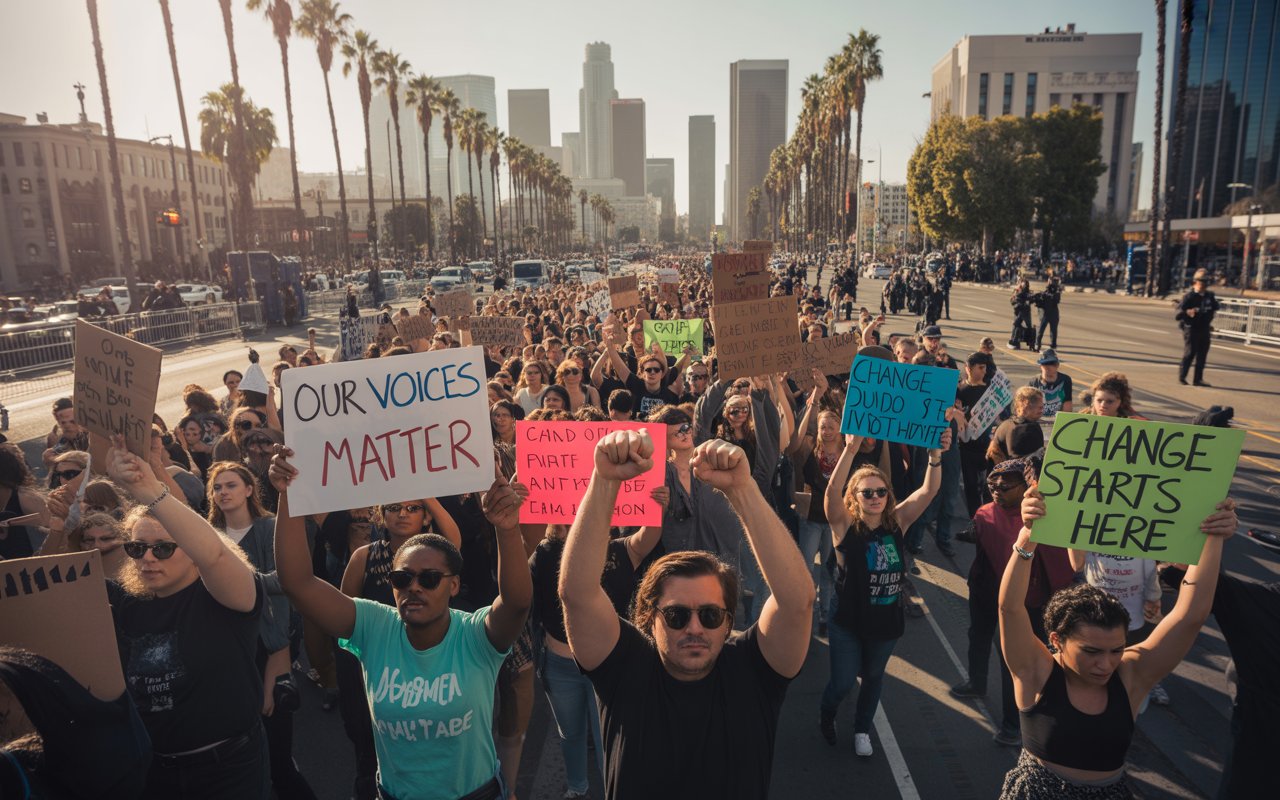
Los Angeles is more than palm trees, movie studios, and freeways. It is a living, breathing city where millions of people from different backgrounds share hopes, frustrations, and dreams. When those emotions reach a breaking point, the streets often become the stage. Protests in Los Angeles have long been a way for ordinary people to say, “We are here, and we matter.” But why do these demonstrations keep happening, and what do they really mean for the city and the nation?
This article takes a deep, human-centered look at protests in Los Angeles—where they come from, how they unfold, and why they continue to shape public life. Think of it as walking through the city alongside the crowd, listening to chants, observing signs, and trying to understand the deeper story behind them.
Understanding the Spirit of Protest in Los Angeles
At its core, a protest is a public expression of disagreement. In Los Angeles, this expression often feels louder, larger, and more visible than in many other places. Why? Because LA is a city built on diversity, contrast, and strong opinions.
People protest when they feel unheard. In a city as massive as Los Angeles, voices can easily get lost. Demonstrations become a megaphone—turning personal struggles into collective demands. From social justice to housing rights, protests here reflect everyday life pressures faced by real people.
A City Shaped by History and Resistance
Roots of Public Demonstrations
Protest culture in Los Angeles did not appear overnight. It grew over decades, shaped by labor movements, civil rights struggles, and immigration debates. Each generation has found its own reasons to gather in public spaces and demand change.
In the past, marches were often about workers’ rights and fair pay. Later, racial equality and policing practices became major drivers. These earlier movements laid the groundwork for today’s protests, creating a shared memory of resistance.
Lessons Passed Down
One powerful thing about LA protests is how lessons travel through time. Parents tell their children about marches they joined. Communities remember both victories and losses. This shared history gives modern demonstrations a sense of continuity, as if the past is walking beside the present.
Common Causes That Bring People to the Streets
Social Justice and Equality
Many protests in Los Angeles focus on fairness and dignity. People march against discrimination, unequal treatment, and systemic injustice. These gatherings often bring together individuals from different walks of life, united by a shared belief that the system needs fixing.
Economic Pressure and Daily Survival
High living costs, housing shortages, and job insecurity also fuel demonstrations. When rent rises faster than wages, frustration builds. Protests become a way to say, “We’re working hard, but we’re still struggling.”
Environmental and Community Concerns
Los Angeles faces environmental challenges like air quality and climate risks. Community members often rally to protect neighborhoods from pollution or to demand sustainable policies. These protests highlight how closely personal health and public policy are connected.
The Streets as a Stage for Expression
Why Location Matters
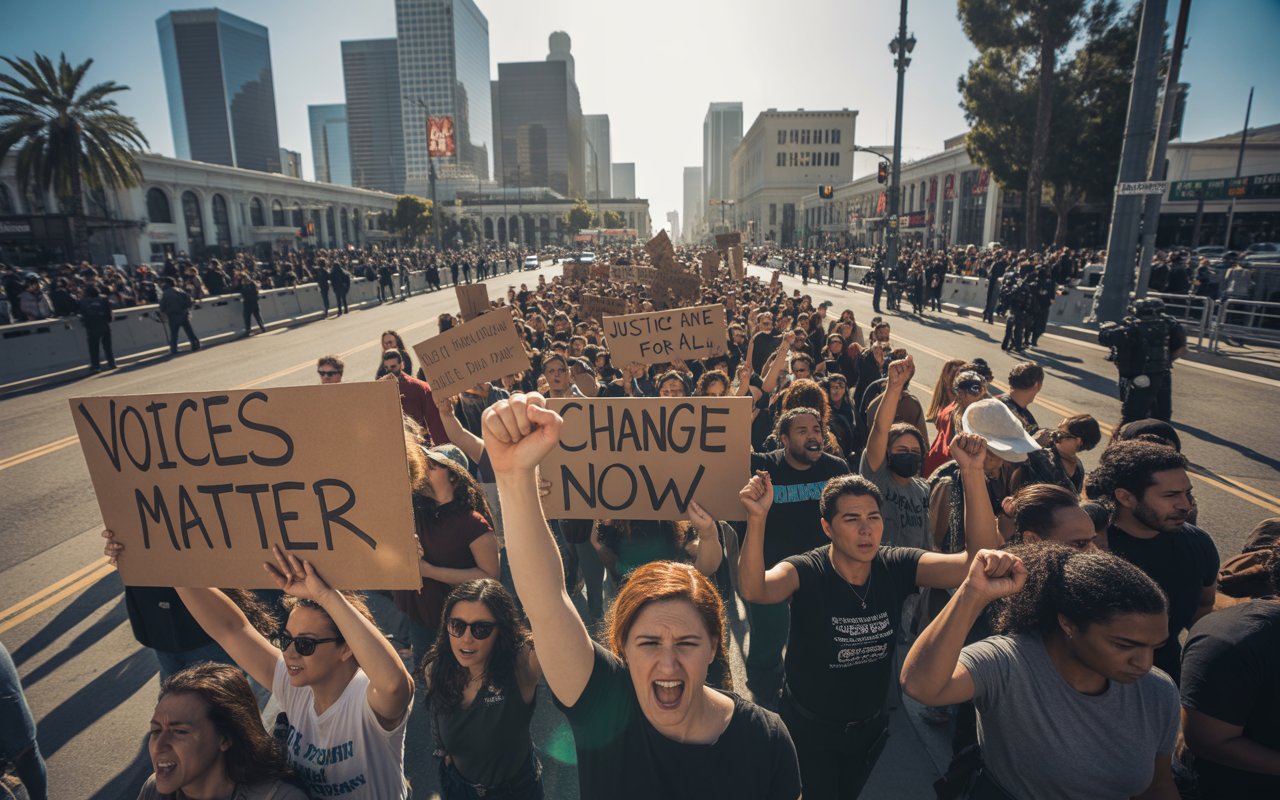
In Los Angeles, where you protest can be just as important as why. Major streets, civic buildings, and public squares carry symbolic weight. Marching through these spaces sends a message that the issue belongs to everyone, not just a small group.
Signs, Chants, and Creativity
LA protests are known for creativity. Handwritten signs, colorful artwork, music, and rhythmic chants turn demonstrations into moving stories. It’s like a public mural in motion—each person adding their own brushstroke.
The Role of Youth and New Generations
Young people play a major role in modern protests. Students, first-time voters, and young workers often lead marches or organize online. They bring energy, digital skills, and a sense of urgency.
For many of them, protesting is not just about today. It’s about the future they are inheriting. When they chant slogans or hold signs, they are asking a simple question: What kind of city do we want to live in?
Law Enforcement and Crowd Management
Balancing Safety and Rights
Protests raise complex questions about public safety. Authorities are responsible for keeping order, while protesters want their voices heard without fear. This balance is not always easy to maintain.
Moments of Tension
Sometimes, misunderstandings or strong emotions lead to clashes. These moments often dominate headlines, even when the majority of demonstrations remain peaceful. For many participants, such tension becomes part of the larger conversation about trust and accountability.
Media Coverage and Public Perception
How Stories Are Told
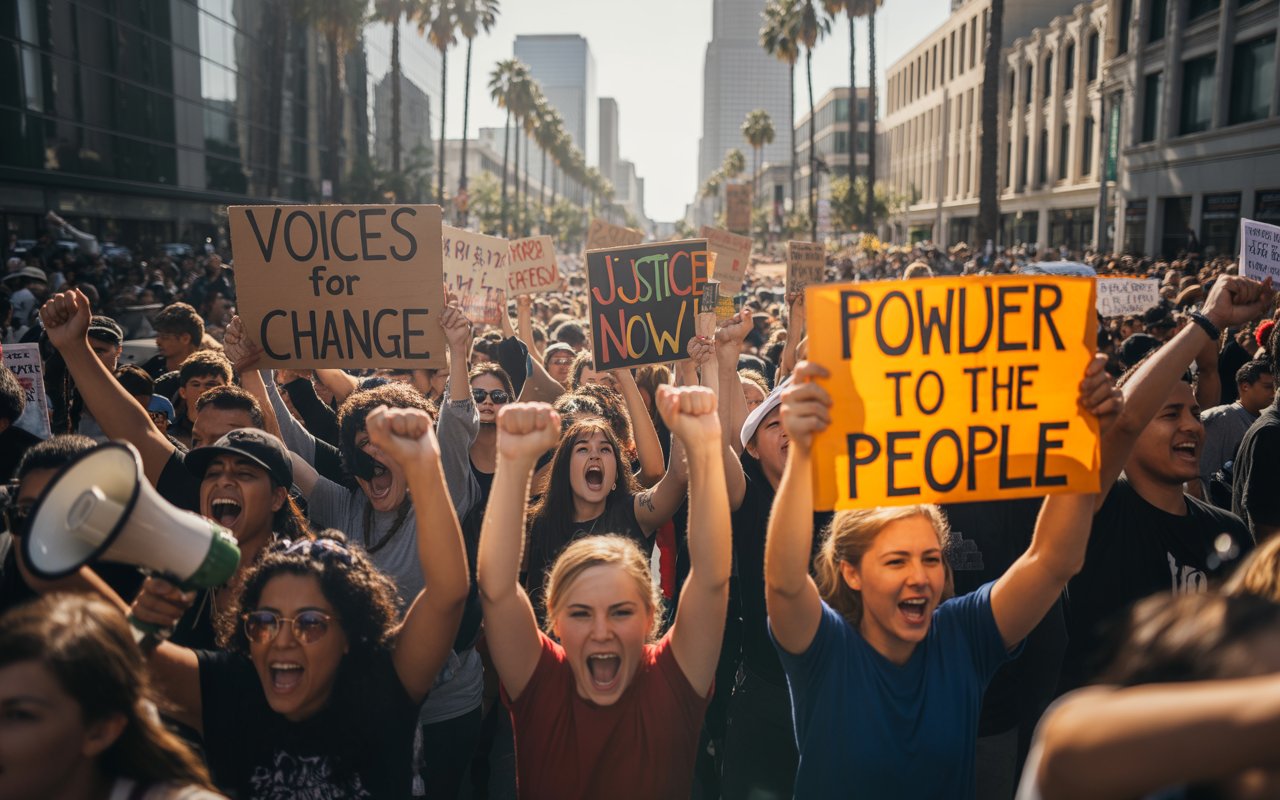
Media plays a powerful role in shaping how protests are seen. A single image or headline can influence public opinion. Some coverage focuses on crowd size and messages, while other reports highlight disruptions or conflict.
The Impact of Social Platforms
Social platforms empower demonstrators to tell their stories in their own voices, bypassing filters and shaping the narrative directly. Live videos, photos, and personal stories offer a raw, unfiltered look at events. This direct communication helps people outside the city understand what’s happening on the ground.
Economic and Social Impact on the City
Short-Term Disruptions
Protests can temporarily affect traffic, businesses, and daily routines. Streets may close, and normal schedules are interrupted. For some residents, this can be frustrating.
Long-Term Conversations
At the same time, these disruptions often spark important discussions. City leaders, community groups, and everyday citizens begin talking about issues that might otherwise be ignored. In this way, protests act like an alarm clock—uncomfortable, but hard to sleep through.
The Emotional Side of Protesting
Hope, Anger, and Solidarity
Walking in a protest is an emotional experience. People feel anger about injustice, hope for change, and comfort in knowing they are not alone. Strangers exchange smiles, water bottles, and words of encouragement.
A Shared Human Moment
For many, protests create memories that last a lifetime. Standing shoulder to shoulder with thousands of others can feel like being part of something bigger than yourself, like a wave carrying everyone forward together.
How Protests Influence Policy and Change
From Streets to Decision Rooms
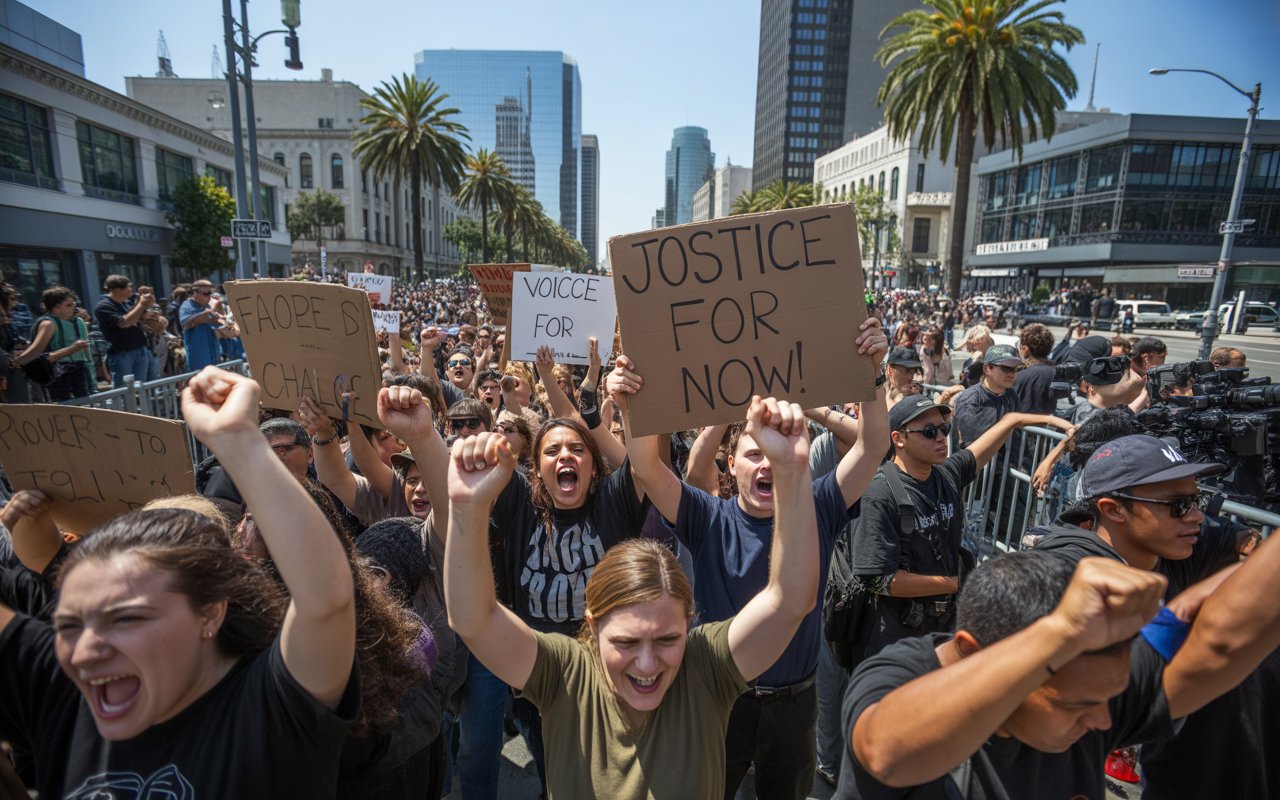
Not every protest leads to immediate change, but many influence public debate. Officials may introduce new proposals, review existing practices, or open dialogue with communities. Even small shifts can matter.
Measuring Success Beyond Laws
Success is not always measured by new rules or policies. Sometimes, it’s about changing minds, raising awareness, or building networks. These outcomes may be less visible, but they can shape the future in powerful ways.
Challenges Faced by Protest Movements
Keeping Momentum Alive
One of the hardest parts of protesting is sustaining energy. After the crowds go home, organizers must keep people engaged. This requires patience, planning, and resilience.
Avoiding Division
Protests can also face internal disagreements. Different opinions on strategy or goals may emerge. Navigating these differences is crucial to maintaining unity and effectiveness.
The Future of Protest in Los Angeles
Los Angeles will likely continue to be a center of public demonstration. As long as people feel passionate about issues affecting their lives, they will gather, march, and speak out.
Protests here are like a mirror held up to society. They reflect both problems and possibilities. They remind us that democracy is not just about voting every few years—it’s also about showing up, raising your voice, and demanding better.
Conclusion: Listening to the City’s Heartbeat
Protests in Los Angeles are more than crowded streets and loud chants. They are expressions of hope, frustration, and determination. They tell stories about who we are and who we want to become.
Whether you agree with every cause or not, one thing is clear: these demonstrations are a vital part of civic life. Like waves hitting the shore, they may come and go, but each one leaves a mark. And in a city as complex as Los Angeles, those marks help shape the future.
Frequently Asked Questions (FAQs)
Why do protests happen so often in Los Angeles?
Los Angeles is large, diverse, and deeply connected to social and economic issues. When people feel affected by injustice or policy decisions, they often choose public demonstrations to express their concerns.
Are most protests in Los Angeles peaceful?
Yes, the majority of demonstrations are peaceful. While isolated incidents may occur, most participants aim to express their views without violence.
How do protests affect daily life in the city?
Protests can cause temporary disruptions like traffic delays or street closures. However, they also encourage public discussion about important issues.
Do protests actually lead to change?
Change can take time. Some protests influence policy directly, while others raise awareness and shift public opinion, which can lead to long-term impact.
How can someone participate in a protest safely?
Staying informed, following local guidelines, and looking out for one another are key. Many people also prepare by wearing comfortable clothing and staying aware of their surroundings.







Post Comment