Latina Voices and Representation in BBC Media: Stories That Travel Beyond Borders
Introduction
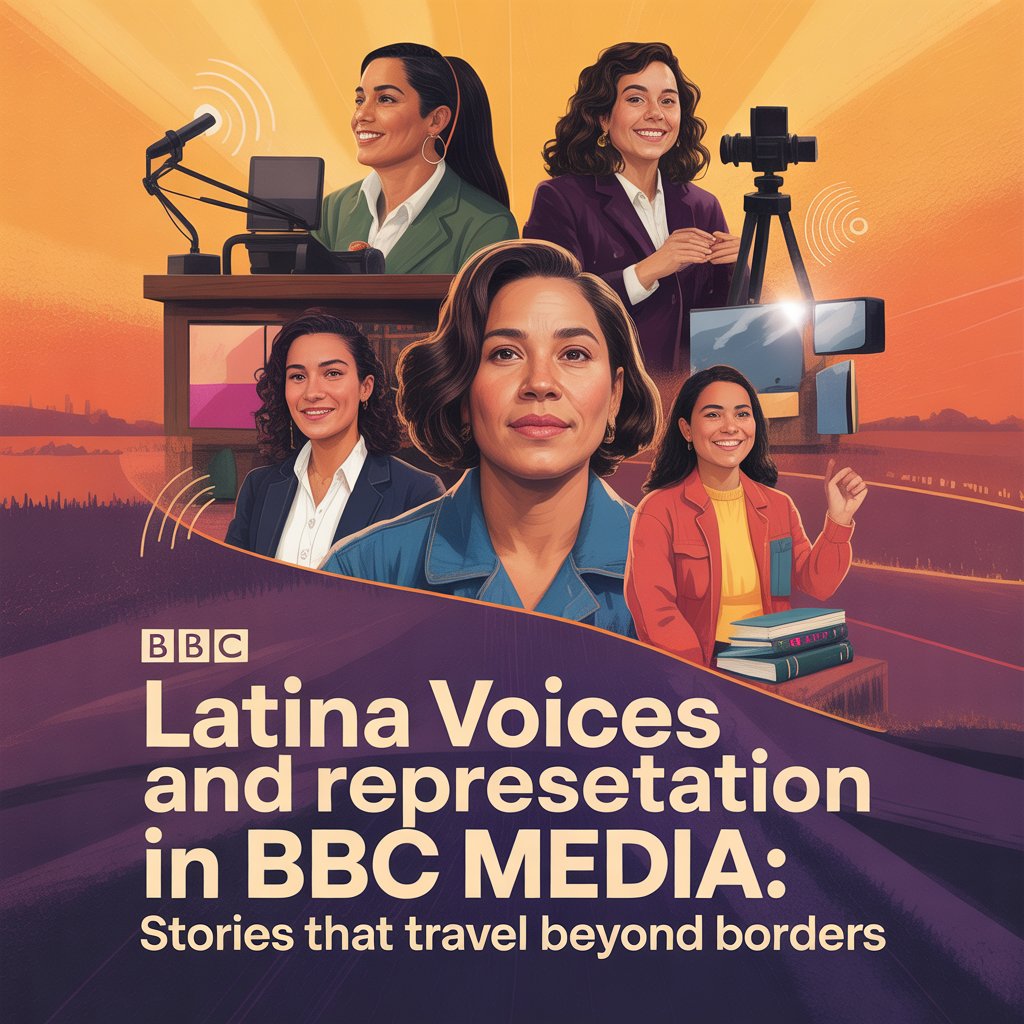
Have you ever watched a news story or documentary and felt like it opened a window to another world? That’s the quiet power of global media. Over the years, the British Broadcasting Corporation (BBC) has become one of those windows—letting audiences see cultures, struggles, and successes far beyond their own streets. Among these stories, Latina voices have slowly but meaningfully found space. This article explores how Latina representation has appeared, evolved, and influenced BBC content, and why it matters to the general public today.
The BBC as a Global Storyteller
The BBC isn’t just a broadcaster; it’s a global narrator. With audiences spread across continents, it shapes how people understand the world. When the BBC chooses which stories to tell, it’s a bit like choosing which threads to weave into a massive tapestry. Each culture adds color, depth, and texture.
Latina stories—rooted in Latin America and the global diaspora—bring themes of resilience, creativity, and community. These stories help global audiences move beyond headlines and into real human experiences.
Understanding Latina Identity in a Global Context
Latina identity isn’t a single story. It’s a collection of histories, languages, and traditions shaped by geography and migration. From Mexico to Argentina, and from London to New York, Latina communities reflect diversity within diversity.
When the BBC approaches these identities thoughtfully, it avoids flattening them into stereotypes. Instead, it presents layered narratives that show people as parents, professionals, artists, and leaders—not just statistics or symbols.
Early Coverage: How Latina Stories First Appeared
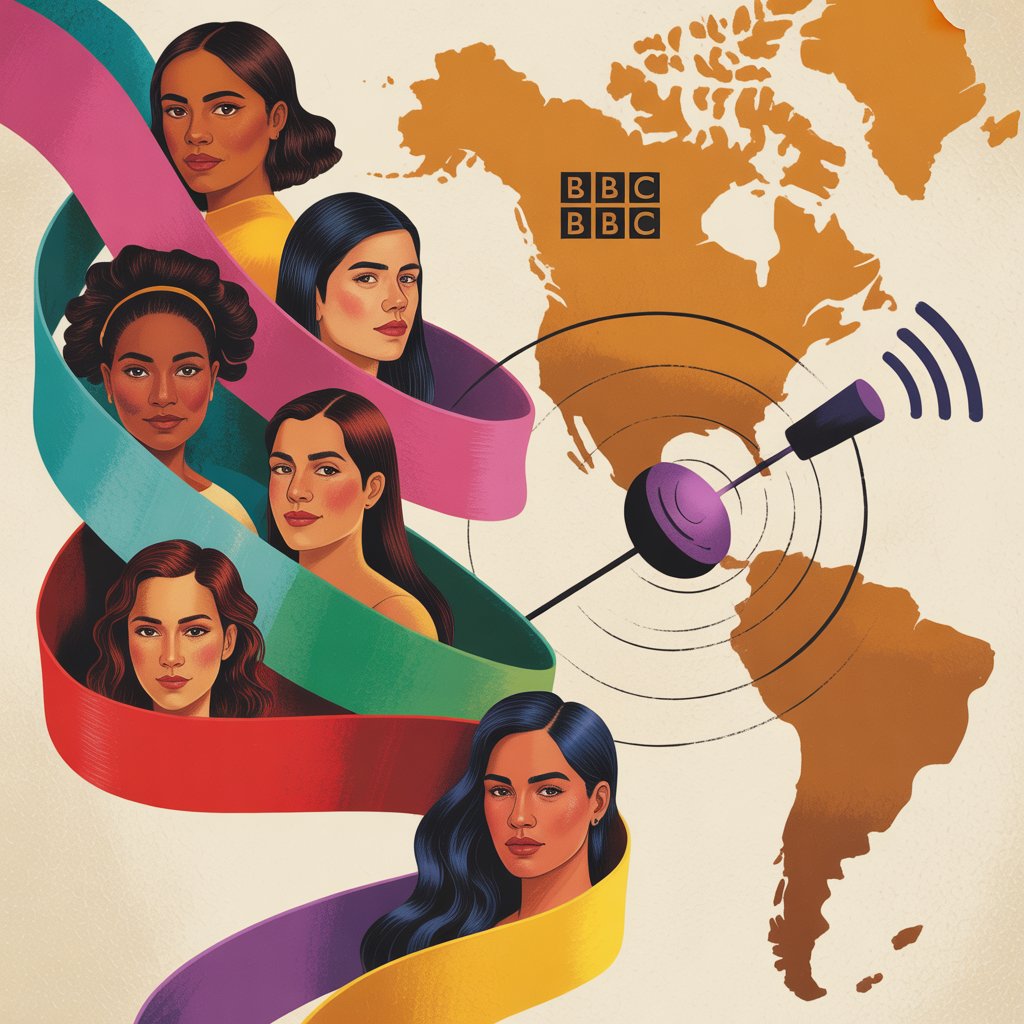
In earlier decades, Latina presence on the BBC was often tied to major events—political change, economic crises, or natural disasters. These reports were informative but limited, focusing more on events than everyday life.
Think of it like meeting someone only during emergencies. You learn something important, but you don’t really know them. Over time, BBC coverage began to widen its lens, including culture, education, and social change, allowing audiences to connect more deeply.
Cultural Programming and Documentaries
One of the strongest ways the BBC highlights Latina experiences is through documentaries and cultural features. These programs explore music, food, art, and traditions that define communities.
A documentary on Latin American music, for example, doesn’t just play songs—it explains history, migration, and identity. It shows how rhythms travel across borders, much like people do. For viewers, this feels less like a lesson and more like a conversation.
Latina Journalists and Contributors
Representation isn’t only about stories—it’s also about who tells them. Latina journalists and contributors bring lived experience into reporting, adding nuance and authenticity.
When a reporter understands the culture they’re covering, the story breathes differently. It’s like knowing the ingredients by heart versus actually savoring the meal. The BBC’s inclusion of diverse voices behind the scenes has helped create more balanced and empathetic journalism.
News Coverage and Social Issues
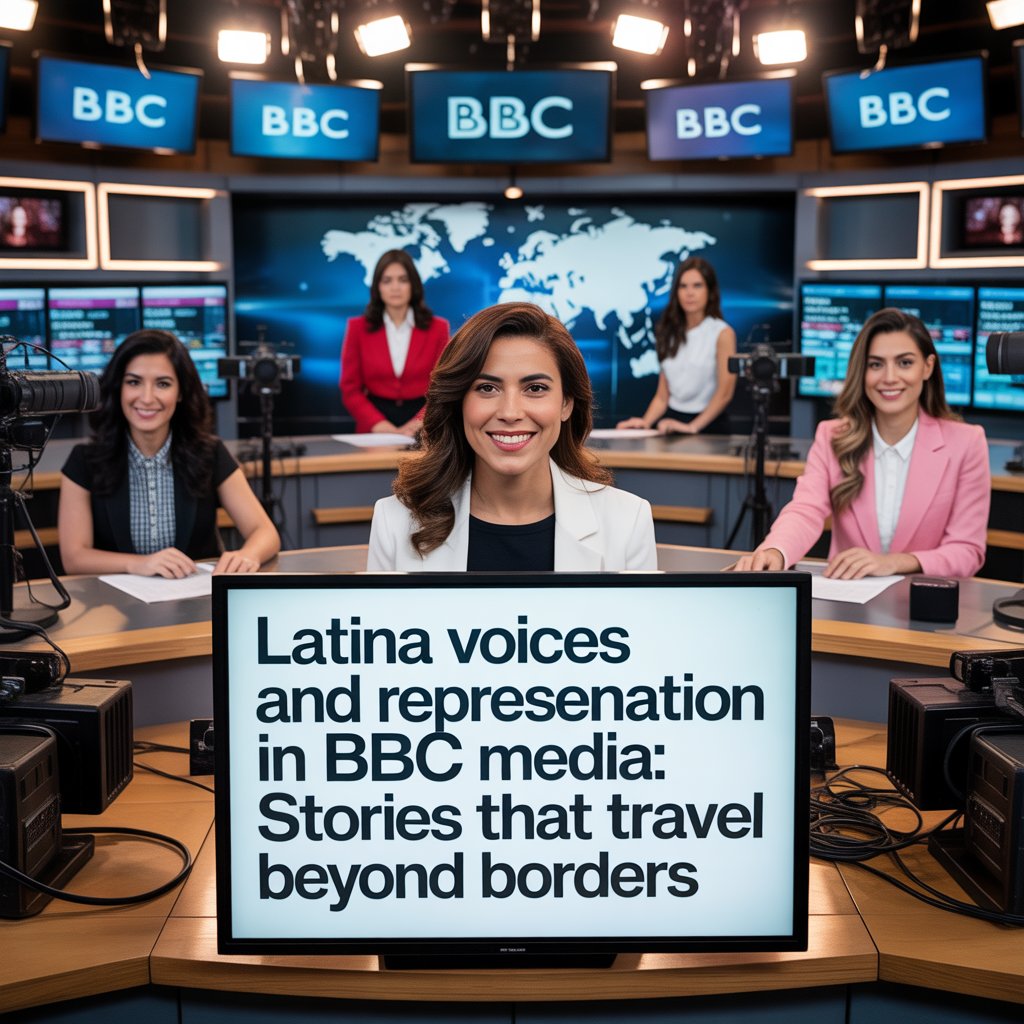
Latina communities often face challenges related to migration, labor, healthcare, and education. BBC reporting on these topics has gradually shifted toward human-centered storytelling.
Instead of focusing only on policy debates, stories increasingly highlight individual voices—families, students, workers—making complex issues easier to understand. This approach helps viewers see shared humanity rather than distant problems.
Language, Accessibility, and Audience Reach
Language plays a huge role in representation. While the BBC primarily broadcasts in English, its international services and translated content extend reach across linguistic borders.
By adapting stories for different audiences, the BBC ensures Latina perspectives are accessible worldwide. It’s like adjusting the volume so everyone in the room can hear—not just those closest to the speaker.
Avoiding Stereotypes and Simplification
One ongoing challenge in global media is avoiding stereotypes. Latina communities are sometimes reduced to narrow images that ignore reality.
The BBC has made progress by focusing on complexity. Stories highlight innovation, leadership, and everyday life rather than repeating tired narratives. This balance helps audiences form informed opinions rather than assumptions.
The Impact on the General Public
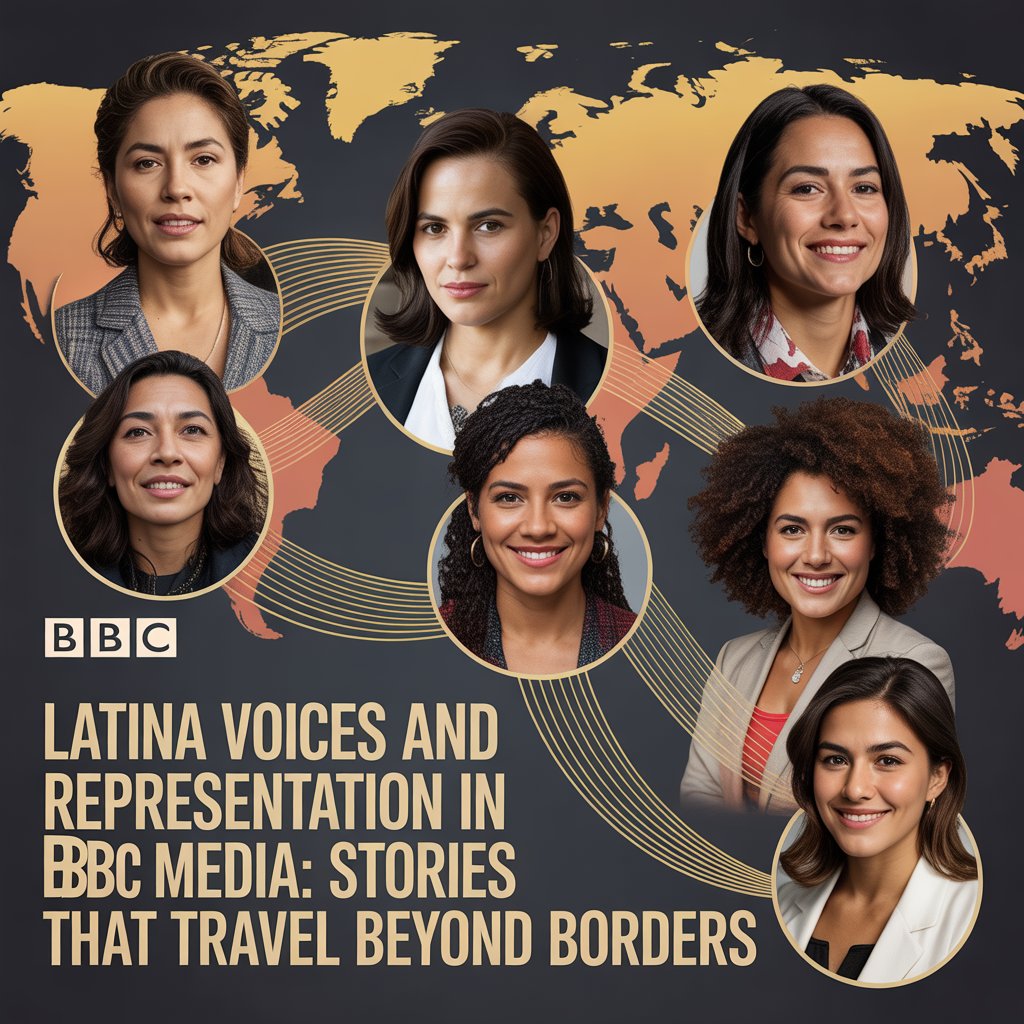
Why does this matter to someone watching from their living room? Because media shapes understanding. When people see diverse stories told with care, empathy grows.
Latina representation on the BBC helps viewers recognize connections between cultures. It reminds us that while accents and traditions may differ, hopes and struggles often look the same.
Digital Platforms and the Future of Representation
With podcasts, online articles, and streaming content, the BBC now reaches audiences in new ways. Digital platforms allow for niche stories that might not fit traditional broadcasts.
This shift opens doors for more Latina voices, younger audiences, and experimental storytelling. The future looks less like a single microphone and more like a shared conversation.
Why Authentic Representation Matters
Authentic representation isn’t about ticking boxes. It’s about trust. When audiences feel stories are told honestly, they keep listening.
For Latina communities, seeing themselves reflected fairly builds confidence and belonging. For others, it builds understanding. Media, at its best, becomes a bridge instead of a wall.
Conclusion
Latina representation in BBC media has come a long way—from limited coverage tied to major events to richer, more human-centered storytelling. While there’s always room to grow, the progress shows how global media can evolve. Like a river that widens as it flows, the BBC’s storytelling continues to expand, carrying diverse voices to audiences around the world.
Frequently Asked Questions
1. Why is Latina representation in global media important?
It helps audiences understand diverse cultures, reduces stereotypes, and promotes empathy through real human stories.
2. Does the BBC focus only on news when covering Latina topics?
No, it also includes documentaries, cultural programs, interviews, and digital content that explore everyday life and creativity.
3. Are Latina journalists involved in BBC reporting?
Yes, contributors from diverse backgrounds help bring authenticity and deeper cultural understanding to stories.
4. How does BBC content reach Latina audiences worldwide?
Through international services, digital platforms, and adapted content that crosses language and regional barriers.
5. What does the future hold for Latina representation on the BBC?
With expanding digital platforms, there are more opportunities for inclusive storytelling and emerging voices to be heard.







Post Comment