AI, Data Centers, and the Energy Question: What’s Really Powering the Digital Age?
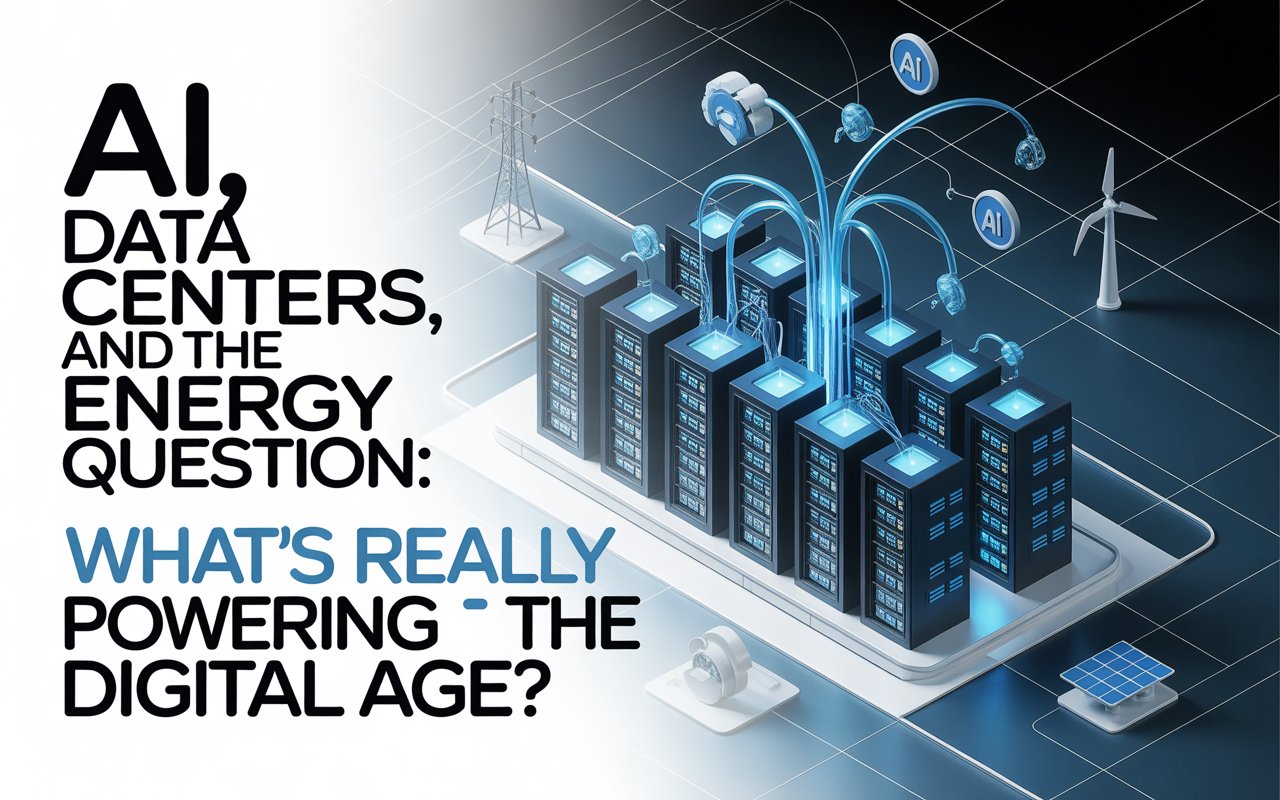
If you’ve ever asked a chatbot a question, streamed a movie, or backed up photos to the cloud, you’ve already used a data center today—whether you realized it or not. Now add artificial intelligence into the mix, and suddenly those invisible buildings humming quietly in the background have become one of the biggest energy stories of our time. So what’s actually going on behind the scenes? Are AI systems draining the planet’s power, or pushing us toward smarter energy solutions?
Let’s unpack the news, trends, concerns, and opportunities around AI-driven data centers and energy use in a clear, human way—no engineering degree required.
The Rise of AI and the Silent Growth of Data Centers
Not long ago, data centers were mostly about storing emails, websites, and files. Today, they’ve become the engines of modern intelligence. AI models learn, predict, translate, recommend, and create—and all of that thinking happens inside data centers.
Think of a data center like a digital factory. Instead of machines stamping metal, you have rows of servers processing data nonstop. With AI, those machines don’t just work harder—they work constantly. Training and running intelligent systems requires massive computing power, and that demand has grown faster than many people expected.
What makes this newsworthy isn’t just the technology itself, but the scale. New facilities are being built around the world, often larger than football fields, all to keep up with AI’s appetite for computation.
Why Energy Is at the Heart of the Conversation
Every server needs electricity. Every cooling fan needs power. Multiply that by thousands—or even millions—of machines, and energy becomes the defining issue.
Data centers already consume a noticeable share of global electricity, and AI is accelerating that trend. The concern isn’t only how much energy is used, but when and where it’s used. Many facilities operate 24/7, placing steady pressure on power grids that were designed for more predictable patterns.
This is why energy discussions are now inseparable from AI development. It’s not just about smarter software—it’s about whether our energy systems can keep up.
Understanding How AI Workloads Consume Power
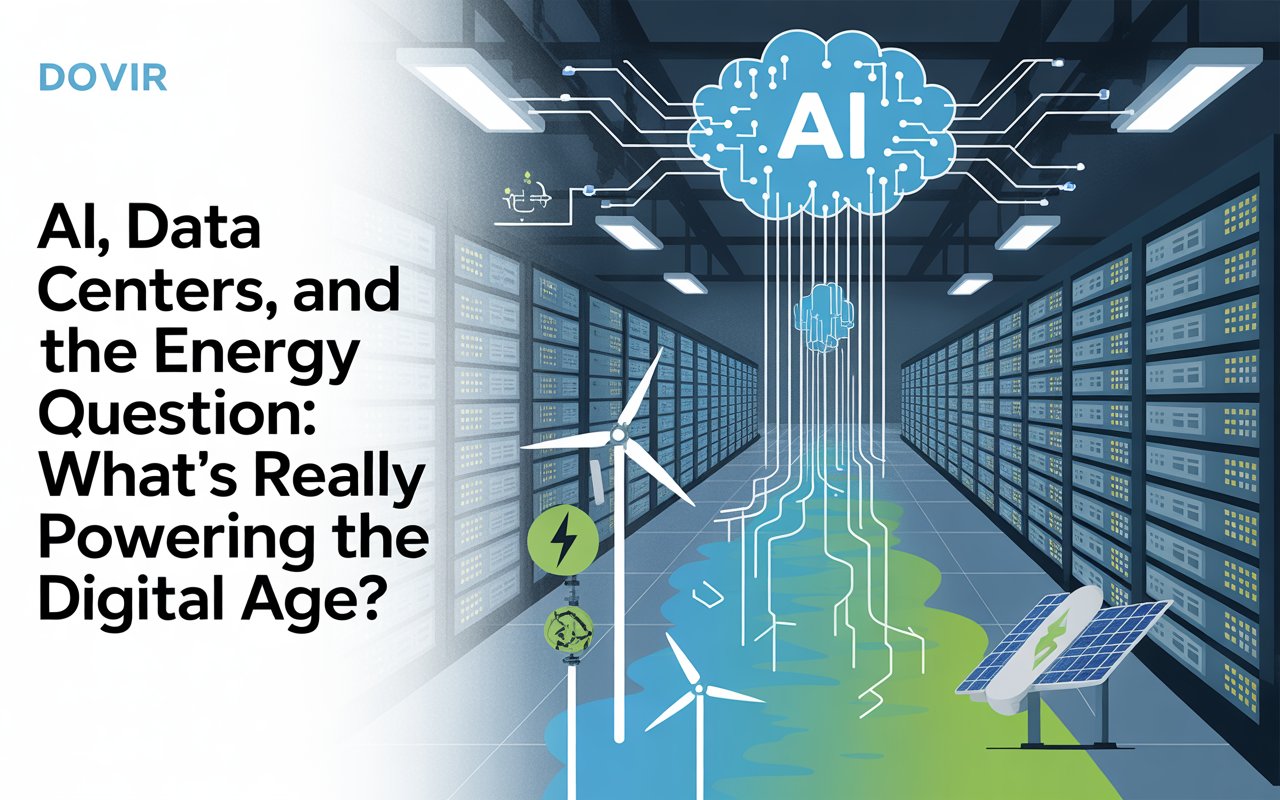
Not all AI tasks are equal. Some are like quick sprints, while others resemble marathon runs.
Training models is the most energy-intensive stage. This is when AI systems analyze enormous datasets to learn patterns. It can take weeks of nonstop computation, drawing power equivalent to small towns.
Inference, which is the everyday use of AI (like answering questions or recognizing images), uses less energy per task but happens billions of times. Over time, that adds up.
A helpful way to picture this is to imagine a gym. Training AI is like lifting extremely heavy weights repeatedly, while daily usage is like millions of people jogging on treadmills. Different effort levels, but both demand electricity.
Cooling: The Hidden Energy Drain
One of the least visible but most important issues is heat. Servers get hot—very hot. Without cooling, they fail.
Cooling systems often use nearly as much energy as the computers themselves. Traditional air conditioning is effective but costly in terms of power. In warmer regions, this challenge becomes even greater.
That’s why location matters. Data centers in cooler climates can use outside air or water-based systems to reduce energy use. Some newer facilities even submerge servers in special liquids to manage heat more efficiently.
Cooling may sound boring, but it’s one of the biggest levers for reducing overall energy demand.
Renewable Energy and the Push for Cleaner Power
Here’s where the story gets more hopeful. Many technology companies are investing heavily in renewable power to run their facilities.
Solar farms, wind projects, and long-term clean energy contracts are becoming common. Some data centers are even built next to renewable sources to reduce reliance on traditional grids.
However, renewables come with challenges. Sunlight fades with the evening, and breezes come and go on their own schedule. AI systems, on the other hand, don’t like downtime. Balancing constant demand with variable supply is one of the hardest puzzles energy planners face today.
Still, this push has accelerated clean energy development in many regions, turning data centers into unexpected allies of sustainability.
Strain on Local Grids and Communities
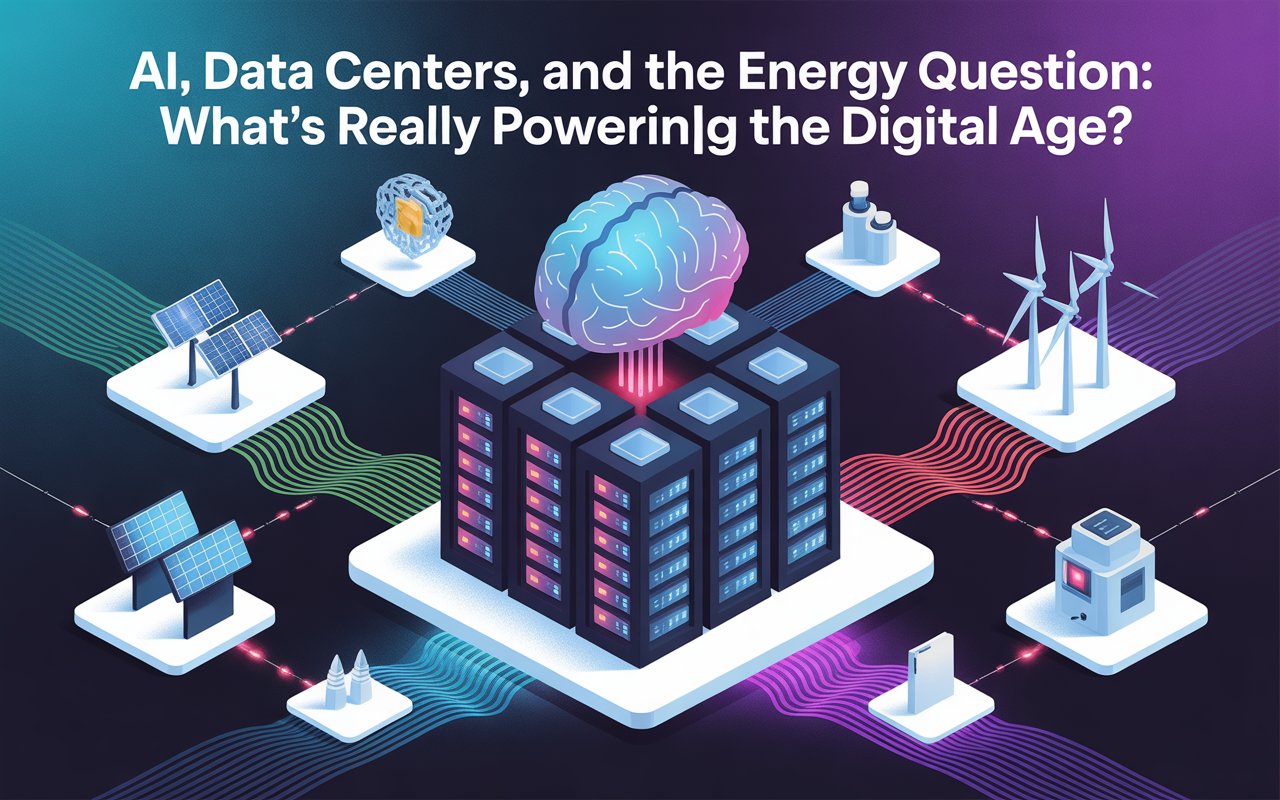
When a large data center moves into an area, it can change the local energy landscape overnight. Power demand spikes, infrastructure upgrades become necessary, and utilities must adjust.
For communities, this can be a double-edged sword. On one hand, data centers bring jobs, investment, and improved infrastructure. On the other, residents may worry about higher electricity prices or reduced reliability.
This is why transparency and planning matter. Coordinating with local governments and utilities helps ensure growth doesn’t come at the expense of everyday consumers.
Efficiency Improvements: Smarter Hardware and Software
The good news is that AI isn’t just a problem—it’s also part of the solution. Engineers are finding ways to make both hardware and software more efficient.
New chips are designed specifically for AI tasks, delivering more performance per unit of electricity. Algorithms are being optimized to learn faster with less data. Even scheduling workloads during off-peak hours can reduce strain on power systems.
It’s the difference between driving a fuel-hungry relic and cruising in a smart, energy-savvy hybrid.You still get where you’re going, but with far less fuel.
The Role of Governments and Policy
Energy use at this scale doesn’t exist in a vacuum. Governments are paying attention, and policies are starting to reflect that.
Some regions offer incentives for building energy-efficient data centers. Others set reporting requirements to track electricity use and emissions. There’s also growing discussion about standards that encourage responsible development without slowing innovation.
The challenge is balance. Too much regulation can stifle progress, while too little can leave communities and environments exposed. Getting this right will shape the future of both AI and energy.
Global Competition and Energy Strategy
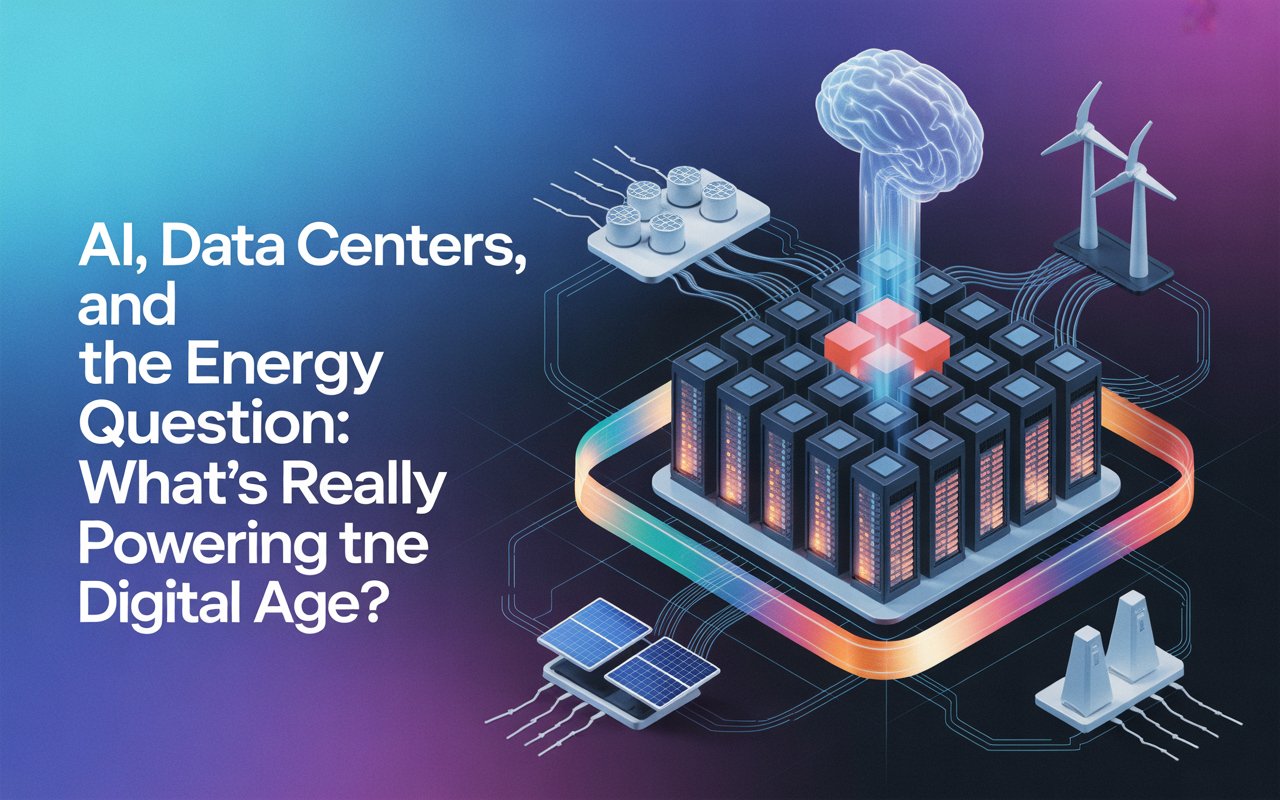
AI has become a strategic priority for many countries, and energy availability is now part of that competition. Nations with reliable, affordable power have an advantage when attracting data center investment.
This has led to increased focus on grid modernization, energy storage, and cross-border power cooperation. In a way, AI is forcing governments to confront long-standing weaknesses in energy systems.
The race isn’t just about smarter machines—it’s about smarter infrastructure.
Environmental Concerns and Public Perception
For the general public, the big question is simple: Is all this worth it?
People enjoy the convenience of AI tools, but they also care about environmental impact. News about rising energy use can create skepticism, especially when paired with climate concerns.
Clear communication helps. When companies explain where their power comes from and how they’re improving efficiency, trust grows. When they stay silent, suspicion fills the gap.
Public perception will play a major role in shaping how AI and data centers evolve.
What the Future Might Look Like
Looking ahead, the relationship between AI and energy is likely to become more intertwined, not less.
We may see data centers that act like mini power plants, generating and storing their own electricity. AI could help manage grids in real time, predicting demand and reducing waste. New materials and cooling methods might drastically cut energy needs.
If done right, the same intelligence that consumes power today could help build a cleaner, more resilient energy system tomorrow.
Conclusion: A Power-Hungry Technology at a Crossroads
AI-driven data centers are like the beating heart of the digital world—powerful, essential, and energy-hungry. The news surrounding them isn’t just about servers and software, but about how society chooses to fuel its future.
The challenge is real, but so is the opportunity. With smart planning, cleaner energy, and continued innovation, the growth of AI doesn’t have to come at the planet’s expense. In fact, it might even help us build a better energy story than the one we have today.
Frequently Asked Questions
Why do AI data centers use so much electricity?
Because AI systems require constant, high-level computation and cooling, both of which demand large amounts of power.
Are data centers bad for the environment?
They can be, especially if powered by fossil fuels, but many are shifting toward renewable sources and better efficiency.
Can renewable energy fully support AI data centers?
It’s possible, but challenging, due to the need for consistent power and the variable nature of renewables.
Do data centers affect local electricity prices?
In some cases, yes, especially if grid upgrades are needed, but careful planning can reduce this impact.
Will AI become more energy-efficient in the future?
Yes, ongoing improvements in hardware, software, and infrastructure are steadily reducing energy use per task.






Post Comment