Serena Williams and the Crip Walk Moment: A Deep Dive into an Iconic Sports Celebration
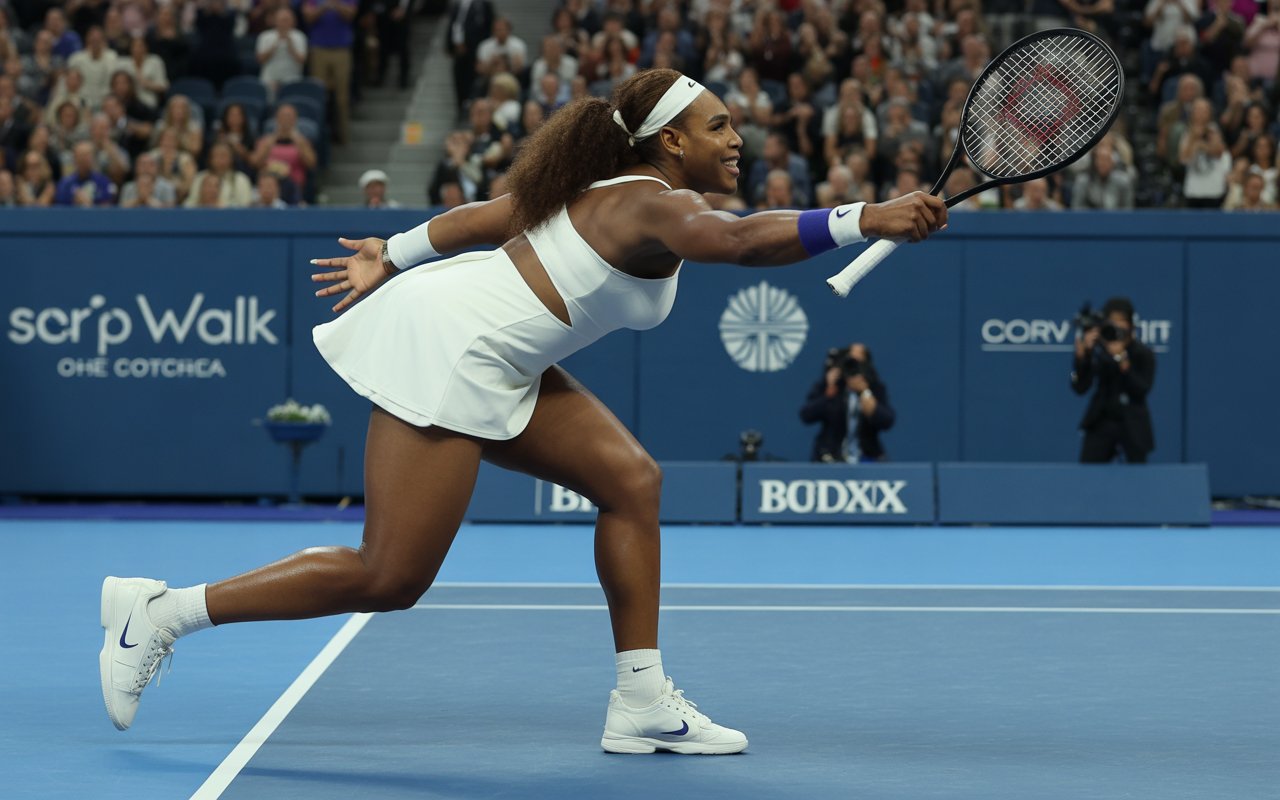
When we think about unforgettable celebrations in sports, our minds usually jump to knee-slides on soccer fields or end-zone dances in football. But in 2012, something different stole the spotlight. Serena Williams, fresh off an incredible victory at the London Olympics, broke into a brief dance that sparked conversation around the world. It wasn’t just any dance—it was the Crip Walk, a move rooted in a very specific cultural background.
That single moment, lasting only a few seconds, raised debates, curiosity, admiration, and criticism. But why? What made it so meaningful, so controversial, and so memorable? Let’s explore the story behind Serena’s celebration and what it reveals about sports, culture, identity, and public perception.
The Heat of the Moment: What Happened at the 2012 Olympics
Serena’s gold-medal victory
In 2012, Serena Williams was already a global superstar. Her dominance in tennis was unquestioned, and her competitive fire was legendary. But her Olympic performance that year was next-level. In the women’s singles final, she faced Maria Sharapova and delivered one of the most commanding victories of her career.
When the final point ended and Serena secured the gold medal, the stadium erupted. Serena lifted her arms, let out a triumphant shout, and then instinctively broke into a short, rhythmic footwork move—the Crip Walk.
A few seconds that turned into headlines
The move was quick, spontaneous, and joyful. Yet within minutes, social media, commentators, and news outlets were buzzing. Some laughed. Some celebrated. Some condemned. Others simply asked: What exactly was that dance?
It was a moment when the worlds of elite sports, cultural expression, and public scrutiny collided.
Understanding the Dance: The Crip Walk and Its Origins
Where the dance comes from
The Crip Walk, sometimes called the “C-Walk,” originated in the 1970s in Compton, California. It was created within the local environment of neighborhood groups and became part of West Coast street culture. Over time, the dance appeared in music videos, rap performances, and social media trends.
A move with cultural weight
Here’s where things get complicated: the dance isn’t just footwork. It carries historical meaning associated with struggles, identity, and communities shaped by inequality. This context is why some people reacted strongly when Serena performed it on one of the world’s biggest stages.
But the dance has also evolved. Many artists, dancers, and young people see it today as simply expressive movement—detached from older associations. Like many cultural practices, meanings shift with generations.
A dance that traveled across communities
Much like how breakdancing, vogueing, or hip-hop styles moved from local neighborhoods to global platforms, the Crip Walk followed a similar path. By 2012, many people—especially younger audiences—recognized it as a dance style more than a symbol of a specific group.
This evolution played a major role in how audiences interpreted Serena’s move.
Serena Williams: More Than a Tennis Champion
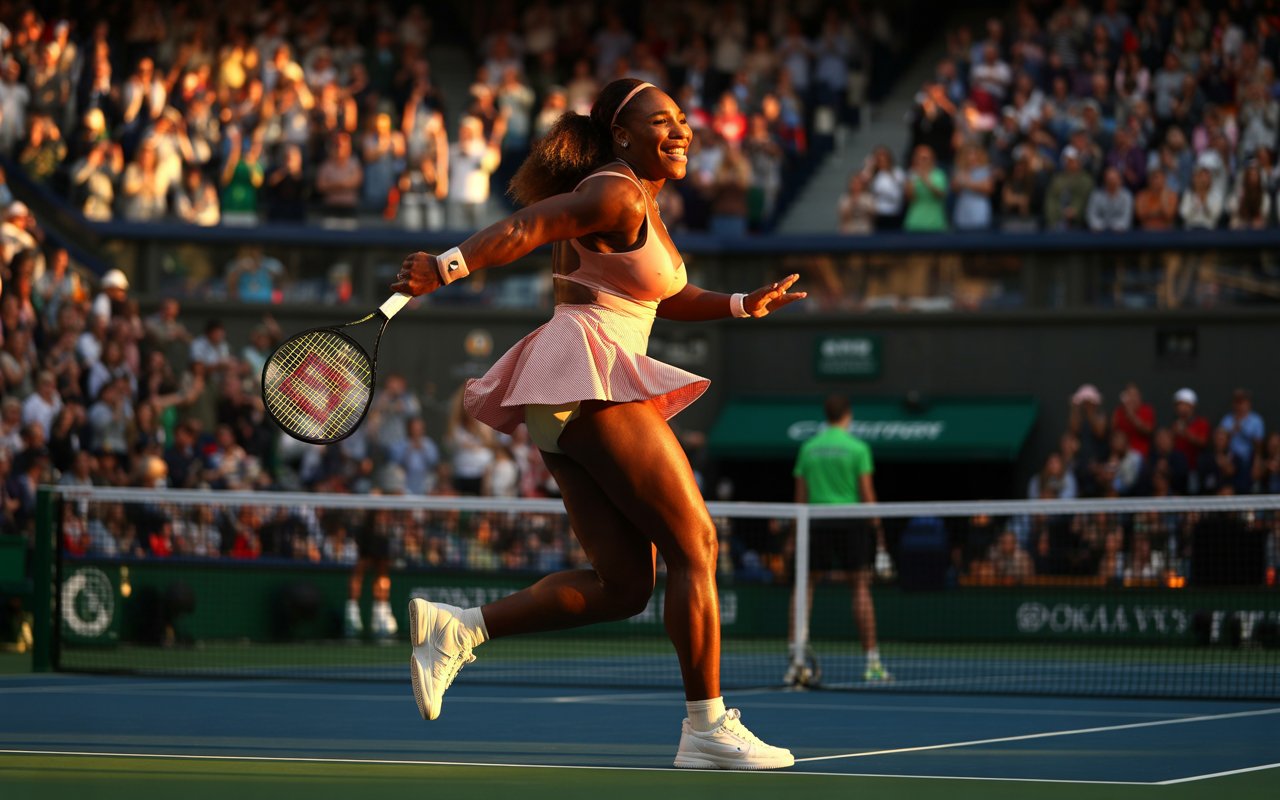
Her life story shaped the moment
Serena was born in Saginaw, Michigan, but her tennis journey took shape in Compton—the same environment where the Crip Walk originated. She trained on public courts with her sister Venus and her father Richard, surrounded by influences that shaped her identity long before tennis fame.
Because of her background, many saw her celebration as a nod to her upbringing. A moment of authenticity. A connection to where she came from.
A symbol of pride and individuality
Serena has always played with passion. Her roar, her fist pumps, her intensity—they’re part of her personality. So when she broke into the dance, many fans viewed it as a genuine expression of joy. It wasn’t planned. It wasn’t for show. It was real.
Public Reaction: Why the Celebration Sparked Debate
Supporters saw it as empowerment
Many fans celebrated her dance as a powerful expression of identity. To them, it was Serena being Serena—fearless, unapologetically herself, and refusing to fit into narrow expectations of how athletes, especially women athletes, “should” behave.
They praised her for:
-
Celebrating authentically
-
Honoring her roots
-
Bringing personality into a sport often seen as rigid
-
Showing joy after a historic win
In their eyes, the moment was refreshing.
Critics raised concerns
Others felt differently. Commentators, including some in mainstream sports media, argued that the dance’s origins made it inappropriate for a global Olympic event. They worried the moment connected Serena to negative stereotypes—something Black public figures often face more harshly than others.
Some criticisms included:
-
The dance’s association with violence
-
The belief that public figures must “set an example”
-
Concerns about cultural interpretation on an international stage
The divided reactions show how differently people can view the same act depending on their understanding of culture, history, and context.
Media Framing: A Story That Grew Beyond the Moment
Why the media magnified the dance
A brief celebration became a major talking point because it involved several themes that the media gravitates toward:
-
A superstar athlete
-
A culturally loaded action
-
A global stage
-
Public debate
News outlets, commentators, bloggers, and social media users analyzed it from every angle. Headlines framed it as controversial even when many viewers had no idea what the dance meant.
The role of cultural knowledge
A key factor was that many viewers weren’t familiar with the dance’s background. When journalists explained it, the story took on new layers. The more people learned, the more opinions formed.
This cycle is common in modern media: a small moment is amplified, reinterpreted, and debated far beyond its original scope.
Cultural Expression in Sports: How Far Is Too Far?
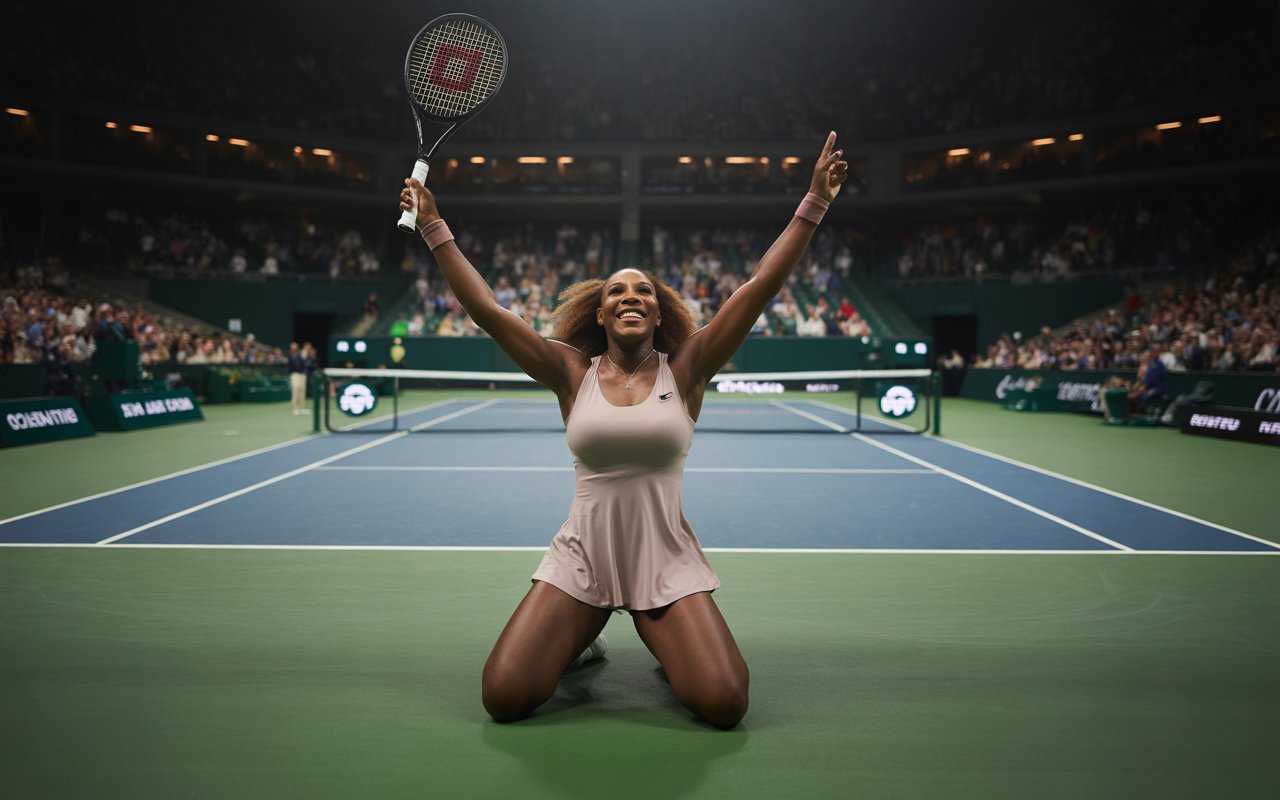
Athletes and identity
Athletes are not blank slates. They come from different cultures, communities, and experiences. And when they win, those emotions spill out.
So the real question becomes: How much cultural expression is acceptable in a global event?
When soccer players dance, when basketball players celebrate with gestures, when rugby players perform traditional hakas—these expressions are often praised. But acceptance varies depending on cultural familiarity and mainstream comfort.
Double standards in celebrations
Some critics argued that Serena faced harsher scrutiny because:
-
She is a woman
-
She is Black
-
Tennis has long been tied to traditional, wealthy, and conservative culture
Celebrations from athletes in other sports sometimes receive more leniency. This disparity became part of the wider discussion.
Sportsmanship vs. Celebration: The Fine Line
Where is the boundary?
In sports, celebration is natural. Athletes train for years, sacrifice endlessly, and face immense pressure. When they achieve victory, the emotional release is huge.
But there’s always a debate:
-
Should celebrations remain modest?
-
Is expressive dancing inappropriate?
-
Does cultural expression cross a line?
Different sports have different norms. Tennis traditionally leans more reserved, which is partly why Serena’s moment drew attention.
A personal reaction, not a performance
Serena later said the dance just “happened” and wasn’t meant to send a message. It was simply joy. A spontaneous burst of energy.
In that sense, it was more authentic than controversial.
Cultural Context: Why Understanding Matters
A moment misunderstood by some
To fully understand the dance, one must understand its origin and evolution. Without context, people rely on assumptions or incomplete narratives.
Cultural misunderstandings often lead to:
-
Overreactions
-
Oversimplification
-
Misinterpretation
Serena’s celebration highlighted how quickly cultural expressions can be misread.
Human emotion is universal, even when culture varies
While the cultural roots of the dance are specific, the feeling behind it—excitement, relief, triumph—is universal. Most viewers connected with the emotion, even if they didn’t understand the footwork.
The Legacy of the Moment: How It’s Remembered Today
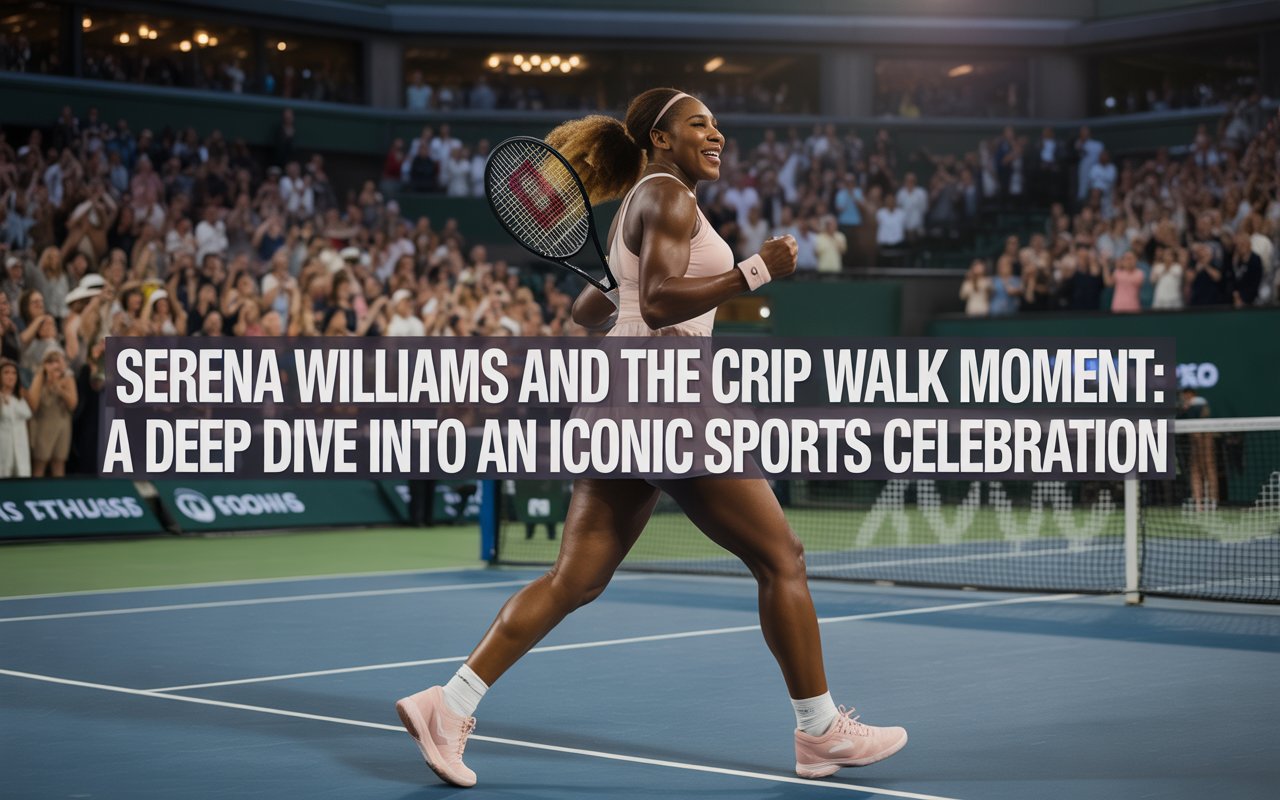
A symbol of confidence and individuality
Over a decade later, the moment hasn’t faded. It’s remembered as:
-
A snapshot of Serena’s personality
-
A flash of cultural authenticity
-
A moment of joy after a historic win
It represents the idea that athletes don’t have to mute who they are to fit into expectations.
A conversation that opened doors
The debate also encouraged broader conversations about:
-
Representation
-
Cultural acceptance
-
Bias in sports commentary
-
The freedom of athletes to express themselves
Serena’s dance became more than just steps—it became a catalyst for dialogue.
Why the Moment Still Resonates With Fans
Her authenticity connected with people
People admire Serena not only for her skill but for her authenticity. Her celebration made her relatable. It showed that even a global icon can act on instinct and express pure happiness.
A reflection of cultural pride
For many fans, especially those from similar backgrounds, the dance felt like a nod to community roots. A quiet message saying, I haven’t forgotten where I came from.
A reminder of joy in sports
Sports can be intense, driven by competition, rules, and expectations. Moments like Serena’s celebration bring back the human side of athletics—the joy, the spontaneity, the emotion.
A Broader Perspective: What This Moment Teaches Us
Culture moves, evolves, and adapts
A dance that began in one local community can end up on the Olympic stage. And when that happens, reactions vary. But that’s part of how culture spreads and transforms.
Athletes are more than performers
Serena reminded the world that athletes aren’t robots. They’re human beings with stories, backgrounds, and emotions.
A single moment can spark worldwide conversation
It’s fascinating how a five-second dance created discussions that lasted weeks—and still continue today. It shows the power of visibility, interpretation, and cultural expression.
Conclusion
Serena Williams’ brief Crip Walk celebration at the 2012 Olympics became far more than a dance move. It was a moment that brought together sports, culture, identity, and public perception in a unique way. Some saw it as controversial, others as joyful, but everyone agreed it was memorable.
At its core, the celebration represented authenticity. A champion expressing pure joy, shaped by her background, her journey, and her personality. It reminds us that athletes are human—and their moments of triumph can reveal deeper stories than the scoreboard ever will.
FAQs
1. Why did Serena Williams perform the Crip Walk at the Olympics?
She performed it spontaneously after winning the gold medal. It was a moment of excitement and personal expression, not a planned gesture.
2. Why was the celebration considered controversial?
Some people viewed the dance as controversial because of its origins in specific West Coast communities and historical associations, even though many now see it simply as a dance style.
3. Did Serena Williams ever address the celebration?
Yes, she mentioned that the dance “just happened” and that it was meant as a fun, joyful reaction rather than a symbolic statement.
4. Is the Crip Walk still culturally significant today?
The dance has evolved over time. While it retains certain cultural roots, many people now view it as a general dance style popularized through music and social trends.
5. How is Serena Williams’ celebration remembered today?
It is remembered as an iconic moment—one that captured her personality, sparked conversation, and highlighted the complex intersection between culture and sports.






Post Comment