The Surprisingly Versatile World of Pool Noodles: A Complete Guide for Everyday Use

Pool noodles might seem like simple foam sticks floating around swimming pools, but there’s a lot more to them than meets the eye. Whether you’ve used them for splashing around, exercising, crafting, or even home hacks, these colorful tubes have proven to be incredibly handy. Think of a pool noodle as the “duct tape of the foam world”—simple, flexible, and unexpectedly powerful.
In this article, we’ll dive into a complete, easy-to-read guide about pool noodles—from their history and structure to creative uses, safety considerations, and fun ideas you can try at home. Let’s discover why these lightweight tubes have become a household item far beyond the swimming pool.
What Exactly Is a Pool Noodle?
Pool noodles are long, flexible foam cylinders designed originally for water play and swimming support. They’re lightweight, waterproof, and buoyant, making them perfect for floating and helping people stay above water.
How They’re Made
Most pool noodles are made from polyethylene foam, a soft and durable material that resists water absorption. Some are hollow, while others are solid, depending on the brand and purpose.
Why They Float
Thanks to the foam’s tiny air pockets, pool noodles stay buoyant. These air pockets trap air inside the material, making the noodle lighter than water—just like how a sponge floats but doesn’t sink.
A Quick Look at the History of Pool Noodles
You might be surprised to learn that pool noodles weren’t always intended for water play. In fact, the earliest versions came from industrial foam pieces used for packaging and insulation.
From Factory Scrap to Popular Toy
The pool noodle gained popularity in the 1980s when manufacturers realized the foam tubes were durable, safe, and fun to use in pools. What started as a leftover material turned into a worldwide swimming accessory.
How They Became a Household Essential
Over the years, pool noodles became more than a pool toy. People discovered they worked for crafting, exercise, physical therapy, and even home improvement hacks. Today, they’re sold in almost every general store, sports shop, and supermarket.
Types of Pool Noodles
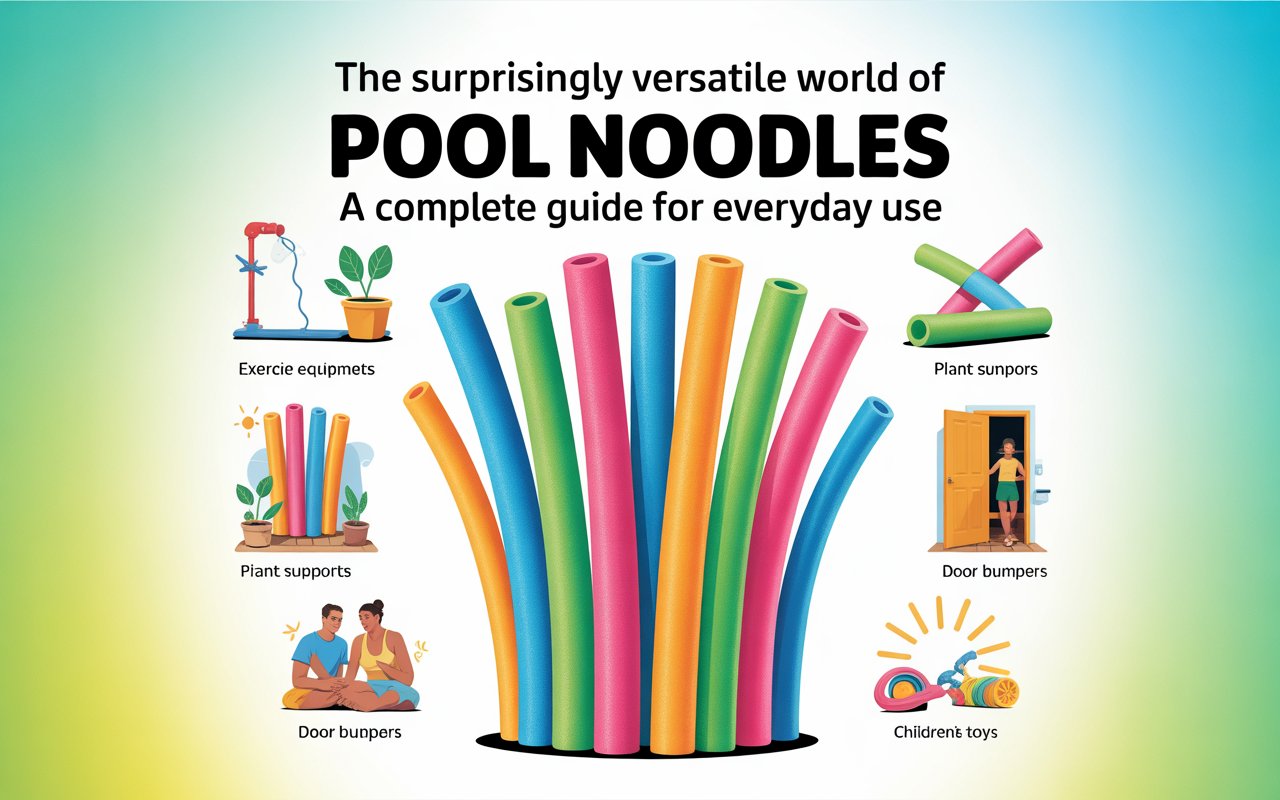
Not all pool noodles look or function the same. Pool noodles come in a variety of styles, each crafted with its own purpose in mind.
Solid-Core Noodles
These noodles are firm and durable, making them great for support, exercise, and home DIY projects.
Hollow Noodles
Designed mainly for water play, these noodles bend easily and are more lightweight.
Textured or Novelty Noodles
Some come in fun shapes—spirals, square edges, animals, and themes for kids. They add creativity and excitement to water fun.
Heavy-Duty Noodles
Made from denser foam, these are ideal for fitness routines and flotation support.
Popular Uses of Pool Noodles in Swimming
Though they’re used in many ways, pool noodles are still most famous for water-based activities.
Swimming Support for Beginners
Kids and adults who are learning to swim can use them as floatation aids. They help with balance and confidence in the water without replacing proper learning.
Water Aerobics
Fitness enthusiasts use pool noodles for resistance training in water. They’re perfect for low-impact workouts that strengthen muscles while protecting joints.
Relaxation and Floating
Nothing beats lying back on a pool noodle and drifting across the water—it’s like having a mini floating lounge chair.
Fun and Creative Water Games
Pool noodles bring excitement to pool parties and family gatherings.
Obstacle Courses
By arranging noodles as tunnels or stepping posts, you can create fun challenges for kids.
Tag and Race Games
Water tag becomes more interesting with noodles acting as soft, safe “tagging sticks.”
Noodle Boats for Kids
Cutting noodles into pieces and attaching small paper sails turns them into mini boats that kids can race.
Pool Noodles for Exercise and Fitness
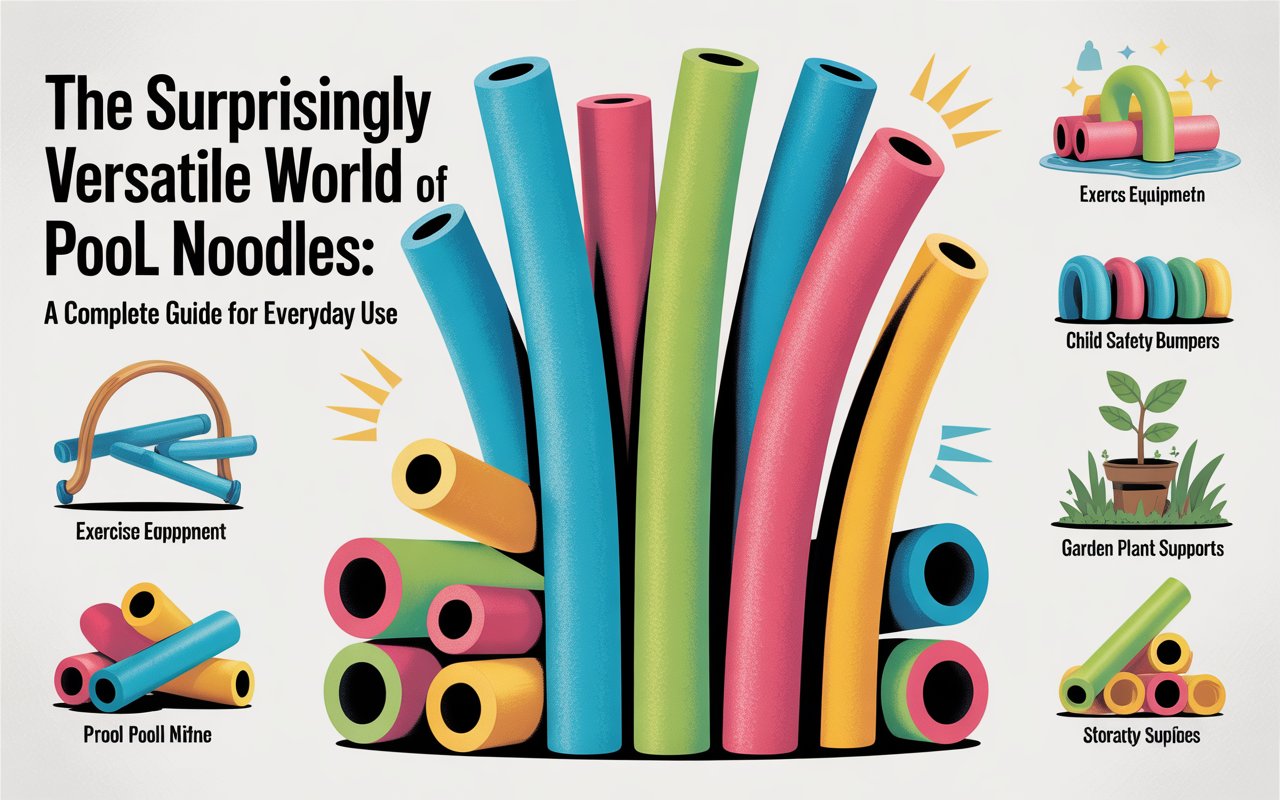
Beyond play, pool noodles have found a place in the fitness world.
Low-Impact Training
Water workouts using noodles help improve balance, flexibility, and muscle tone.
Balance Drills
Standing on a noodle underwater or pressing it below the surface adds extra challenge to workout routines.
Rehabilitation Exercises
Physical therapists use noodles for gentle rehabilitation movements, especially for knee and shoulder recovery.
Pool Noodles in Home Improvement
Here’s where pool noodles get surprisingly useful. Their flexibility and cushioning ability make them perfect for DIY hacks.
Gap Fillers
Noodles can fill gaps under doors or protect items in storage.
Door and Wall Protectors
Cut pieces can be attached to walls or garage surfaces to prevent scratches and dents.
Pipe Insulation
Pool noodles can act as temporary pipe covers to reduce heat loss and prevent freezing in cold weather.
Furniture Safety
You can wrap them around sharp corners to create safer edges for kids.
Crafting and Creative Projects
If you’re into creative projects, pool noodles are like a treasure chest of possibilities.
Wreaths and Decorations
You can shape a noodle into a circle and decorate it for holidays or events.
Toy Swords and Props
Kids love turning noodles into safe swords for imaginative play.
Photo Frames and Stands
Foam pieces can be carved into decorative shapes or used to prop items up.
Outdoor Decorations
Their bright colors make them perfect for garden designs, party themes, or festival decorations.
Safety Tips for Using Pool Noodles
Even though noodles are soft and kid-friendly, safety always matters.
Supervision for Kids
Children should always be watched near water, even when using flotation devices.
Avoiding Choking Hazards
Young kids might chew on foam, so supervise closely.
Proper Storage
Store noodles in dry, shaded places to avoid sun damage or cracking.
No Replacement for Life Jackets
Noodles should never be used as a substitute for certified safety equipment.
Environmental Impact and Longevity
Like other plastics, foam materials can affect the environment if not handled responsibly.
How Long They Last
Pool noodles can last several years if stored well. Sun exposure shortens their lifespan.
Eco-Friendly Disposal
Some recycling centers accept polyethylene foam. You can also repurpose old noodles for crafts instead of throwing them away.
Choosing Better Quality
Buying durable noodles means they’re less likely to end up in landfills quickly.
How to Choose the Right Pool Noodle
Selecting the best noodle depends on what you need it for.
For Swimming and Play
Choose soft, hollow noodles that bend easily.
For Exercise
Go for thicker, denser noodles with strong resistance.
For DIY Projects
Solid-core noodles provide stability and durability.
For Kids
Consider fun shapes, bright colors, and child-safe designs.
Creative Ideas You Can Try at Home
If you want to test your creativity, pool noodles open the door to endless possibilities.
Car Seat Gap Filler
Cut a piece and place it between seats to prevent items from falling.
Shoe Organizer
Slice noodles into sections and insert shoes to help them keep shape.
Floating Beverage Holder
Cut pieces and turn them into cup holders for lazy pool days.
Garden Marker Sticks
Use thin slices as labels for plants and vegetables.
Conclusion
Pool noodles are more than colorful foam toys—they’re incredibly versatile tools that can be used for fun, fitness, safety, and creativity. From swimming lessons to home décor and DIY hacks, their flexibility makes them useful in so many aspects of everyday life. Whether you’re floating in a pool on a sunny day or building a home project, a pool noodle might be the simple, affordable solution you didn’t know you needed.
FAQs
1. Can pool noodles be used as flotation devices for non-swimmers?
They can assist with buoyancy, but they should not replace proper flotation jackets or supervision.
2. How long do pool noodles usually last?
With good care and storage away from the sun, they can last several years before breaking down.
3. Are pool noodles safe for toddlers?
Yes, but toddlers should always be supervised while playing with them—especially in water.
4. Can you recycle old pool noodles?
Some recycling facilities accept polyethylene foam. You can also repurpose them for crafts.
5. Are all pool noodles the same size?
No, they vary in length, width, density, and shape depending on the purpose and brand.






Post Comment