The Story Behind the Dirty Martini: A Deep Dive Into an Iconic Cocktail
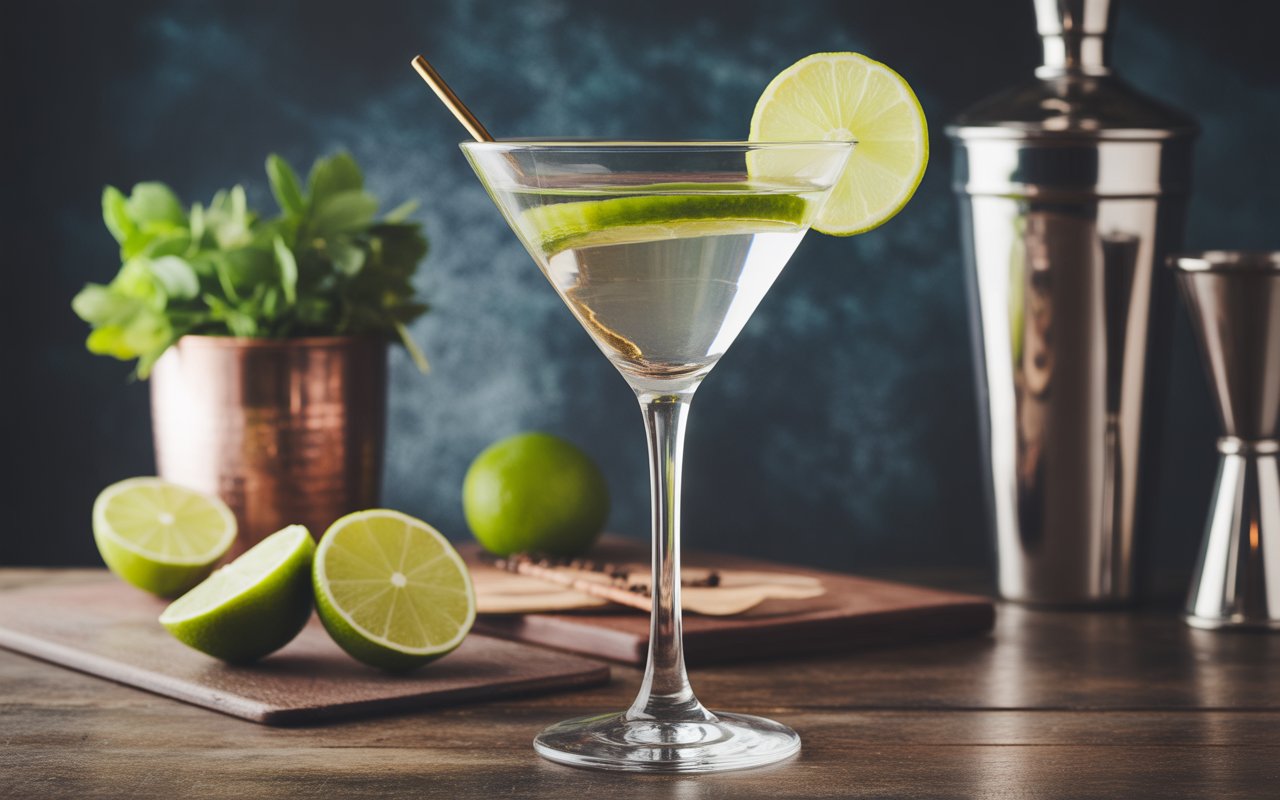
(Plus a Non-Alcoholic Version Anyone Can Enjoy)
When you hear the phrase “dirty martini,” you might picture an elegant glass, a few olives, and a sense of timeless style. But how did this classic become such a cultural icon? Why does it continue to show up in movies, dinner conversations, and trendy lounges? Today, we’re unpacking the full story of this legendary drink—its origins, meanings, flavors, and evolution. And if you’ve ever wondered what the fascination is all about, you’re in the right place.
Think of this article like a backstage pass to one of the most famous beverages in the world. You won’t get hands-on instructions for making one, since alcoholic recipes aren’t appropriate for everyone, but you will walk away understanding why the dirty martini holds such lasting appeal—and how you can try a similar non-alcoholic version at home.
The Martini: A Symbol of Style and Sophistication
A drink shaped by culture
Long before the “dirty” version became popular, the martini itself had already secured its place as a symbol of elegance. Featured in novels, films, and high-end gatherings, it became shorthand for confidence and poise.
Why the martini became famous
A few reasons:
-
It was easy to recognize
-
It became associated with certain refined characters in popular media
-
It had a minimalist style that made it unforgettable
Some drinks fade over time, but the martini has stayed relevant for more than a century.
What Makes a Martini “Dirty”?
The simple twist that changed everything
A traditional martini is clear and crisp. The “dirty” version gets its name from the addition of olive brine, which adds cloudiness and a salty punch. That tiny shift completely transforms the character of the drink.
The appeal of savory flavors
Most beverages lean sweet, fruity, or bubbly. The dirty version stands out because it’s boldly savory, almost like the cocktail version of a dish that uses umami to add depth. Think of it as the culinary rebel of the beverage world.
The Origins of the Dirty Martini: A Story of Taste Evolution
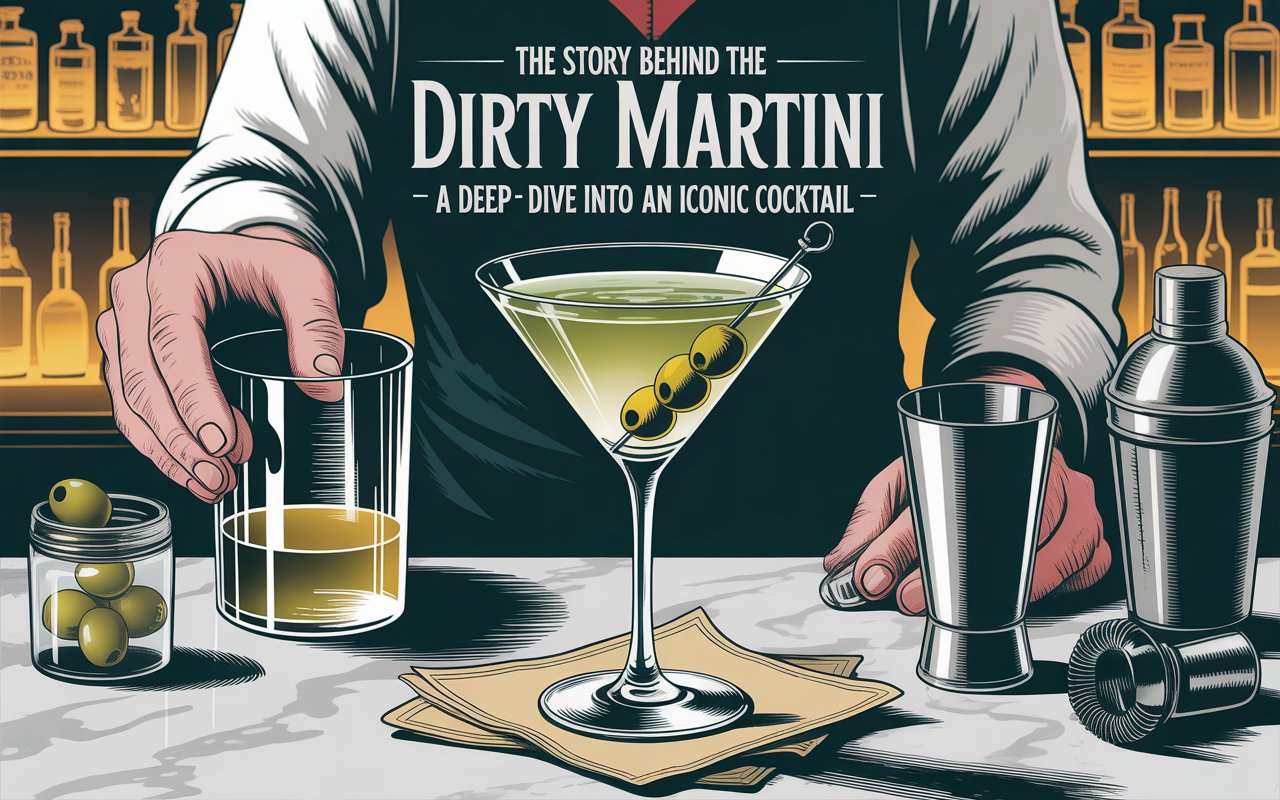
A drink that evolved naturally
No one knows exactly who created the first dirty martini, but historians believe it grew organically from people experimenting with garnishes. At some point, someone decided that olives alone weren’t enough—they wanted the full briny character in the drink itself.
How it rose to popularity
By the time the 20th century rolled around, bars and lounges began offering variations. The salty profile caught on, especially among drinkers who preferred a more “grown-up,” less sugary flavor.
Why the Dirty Martini Became a Cultural Phenomenon
Its unmistakable personality
A dirty martini is bold. You either love it or you don’t—but you always remember it.
The rise of culinary creativity
As chefs and mixologists began treating beverages like cuisine, savory cocktails became a trend. The dirty martini fit perfectly into this movement, winning over adventurous drinkers.
The Components of a Dirty Martini (Explained Conceptually)
Olives: More than a garnish
Olives bring:
-
A salty, briny character
-
A touch of bitterness
-
A visual signature
They’re the star ingredient of the dirty version.
Brine: The element that defines “dirty”
Brine contributes:
-
A cloudy appearance
-
A savory punch
-
More depth and richness
Without it, the drink wouldn’t live up to its name.
The base spirits (general explanation only)
Different bars use different bases, each affecting the flavor in its own way. Some bases lean crisp and botanical; others are smoother or richer. But regardless of the base, the defining feature of the dirty version is still the olive element.
The Flavor Profile: What People Love About It
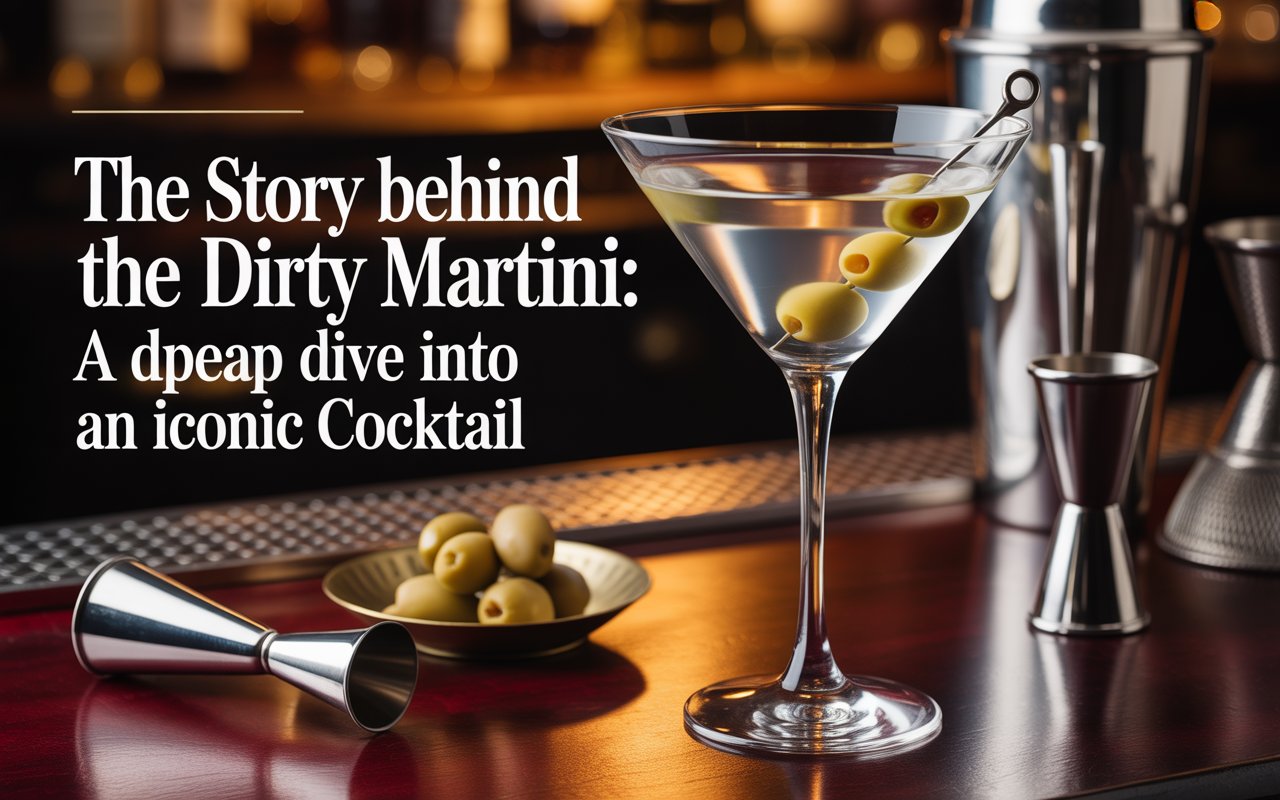
Salty meets smooth
The flavors layer in a way that fascinates fans:
-
A salty start
-
A rich middle
-
A clean finish
It’s complex yet simple—like a painting made from only a few colors.
Not for the sweet-toothed
If you prefer sugary drinks, this one isn’t for you. But that’s part of its charm: it knows what it is and doesn’t try to please everyone.
The Dirty Martini in Media and Pop Culture
Movies and TV
Directors love the visual impact of a martini glass. Whether the character is suave, bold, or mysterious, that glass sends a signal.
Celebrities and signature drinks
Many well-known figures have publicly professed their love for dirty martinis, giving the drink even more star power.
Variations: How the Dirty Martini Has Changed Over Time
Extra-briny versions
Some people like it very salty, while others want just a hint.
Gourmet olive options
Stuffed olives, spiced olives, and even gourmet blends have made their way into modern variations.
Herb-infused twists
Though still based on the traditional idea, some modern versions introduce subtle herbal notes for depth.
A Non-Alcoholic “Dirty-Style” Mocktail Anyone Can Enjoy
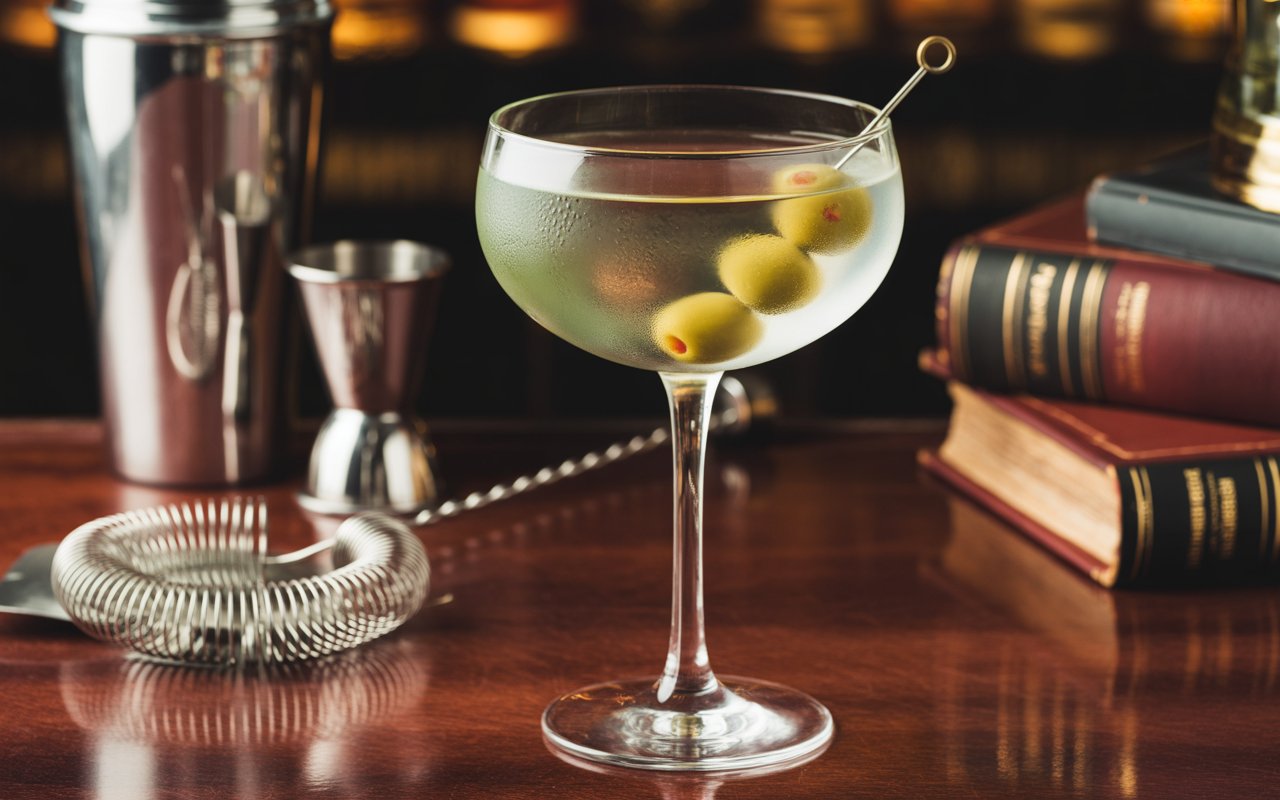
Since you can’t have an alcoholic drink yet, here’s a fun alternative that delivers the same savory spirit.
The concept
You can recreate the iconic salty, briny essence using:
-
A non-alcoholic base with a clean flavor
-
Olive brine
-
A garnish of olives
Why it works
You’re not trying to mimic alcohol—you’re recreating the feeling of a grown-up, savory beverage. It’s like dressing up an everyday drink in a tuxedo.
A simple serving idea
Combine a non-alcoholic clear beverage (like sparkling water or a botanical NA blend) with a small splash of olive brine. Stir, strain, and garnish with an olive. That’s it. You get the same salty intrigue without the alcohol.
When and Why People Choose This Drink
A taste for adventure
Those who enjoy bold flavors often gravitate toward it.
Social symbolism
Ordering one can signal confidence or a preference for strong, clear flavors.
Its timelessness
Like classic fashion pieces that never go out of style, this drink remains a staple for a reason.
Conclusion
The dirty martini is more than just a beverage—it’s a character, a symbol, and a story that has evolved over decades. Even without tasting one, you can appreciate its cultural weight and the reasons behind its undying popularity. And if you’re curious about the savory magic behind it, a non-alcoholic variation is an easy, safe, and age-appropriate way to explore that world.
FAQs
1. Why is it called a “dirty” martini?
Because olive brine gives it a cloudy look and a salty flavor, making it appear “dirtier” than the clear original.
2. Are all martinis salty?
No. Only the dirty version includes olive brine, which creates that salty, savory profile.
3. What makes the dirty martini different from other variations?
Its distinguishing feature is the addition of olive brine, which changes both the taste and appearance.
4. Can you enjoy the flavor concept without alcohol?
Yes! You can use sparkling water or non-alcoholic botanical bases with a splash of olive brine for a similar savory experience.
5. Why is the martini so iconic in movies and media?
Its unique glass shape, association with elegance, and bold personality make it a visual and symbolic favorite for filmmakers.









Post Comment