London Protests: Voices, Streets, and the Power of Public Expression
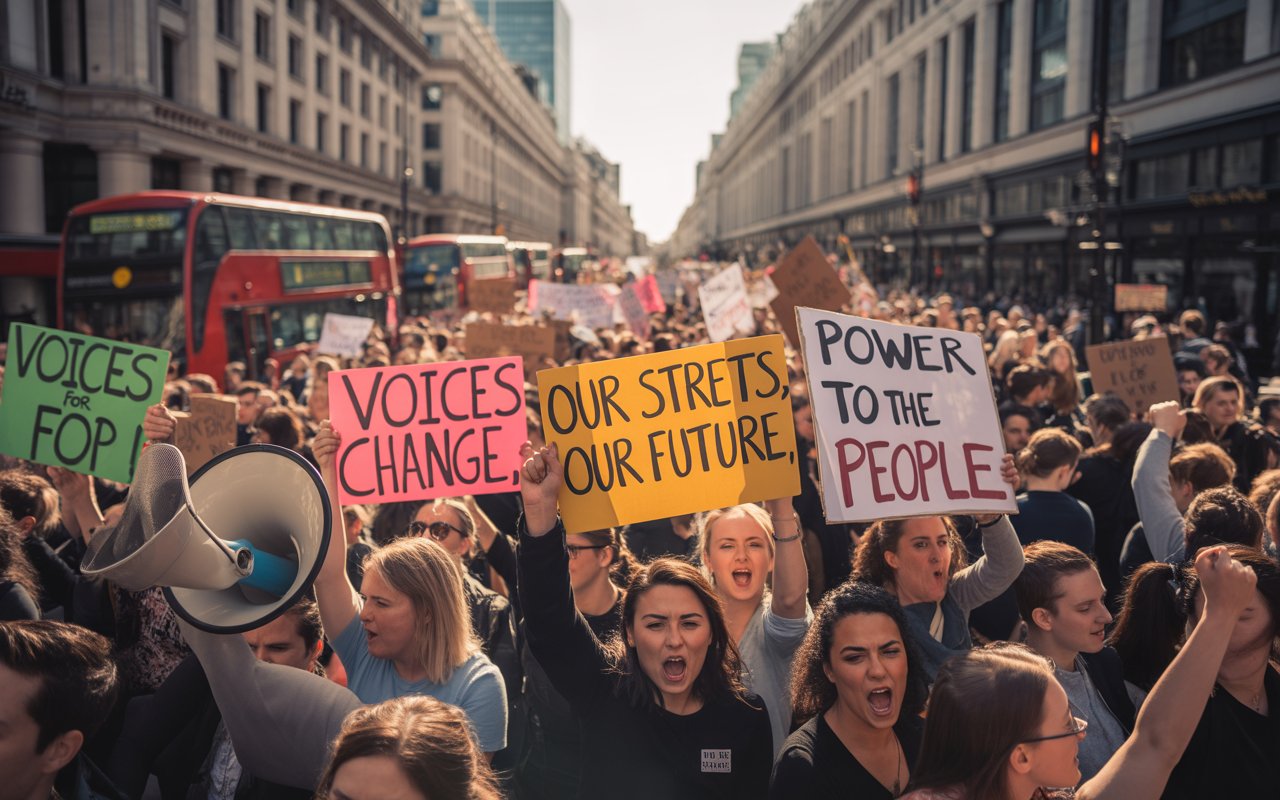
London is often pictured as a city of red buses, historic landmarks, and bustling financial districts. But every so often, its streets transform into something else entirely—a stage for public voices, emotions, and demands. Protests in London are not just moments of disruption; they are reflections of society itself. They show what people care about, fear, and hope to change. So why do people take to the streets, and what do these gatherings really mean for everyday life?
This article explores the many layers behind demonstrations in the UK’s capital, using simple language and real-world context to make sense of a complex topic. Think of it like peeling an onion—each layer reveals another reason, another story, another voice.
The Long Tradition of Public Demonstrations in London
London’s streets have been shaped by public gatherings for centuries. From early workers’ marches to modern-day rallies, collective action has always been part of the city’s identity.
People have long believed that being physically present—standing shoulder to shoulder—sends a stronger message than words alone. In many ways, these events are the city’s heartbeat, speeding up during times of tension and slowing down when issues are resolved.
Protests didn’t appear overnight. They grew alongside democracy, labor rights, and freedom of expression. Every generation adds its own chapter, shaped by the challenges of its time.
Why People Take to the Streets
At the core of any protest lies a simple idea: people want to be heard. But the reasons behind that desire can vary widely.
Political Concerns and Policy Decisions
Government actions often spark public reaction. When policies feel unfair or disconnected from daily life, people respond by gathering together. It’s a clear signal that people are watching closely and refuse to be ignored.
Social Justice and Equality
Issues related to fairness, discrimination, and human rights frequently motivate crowds. Many feel that silence equals acceptance, so showing up becomes a moral choice rather than a political one.
Economic Pressures
Rising living costs, housing challenges, and job insecurity push people to speak out. When wallets feel lighter, voices often grow louder.
The Role of London as a Symbolic Stage
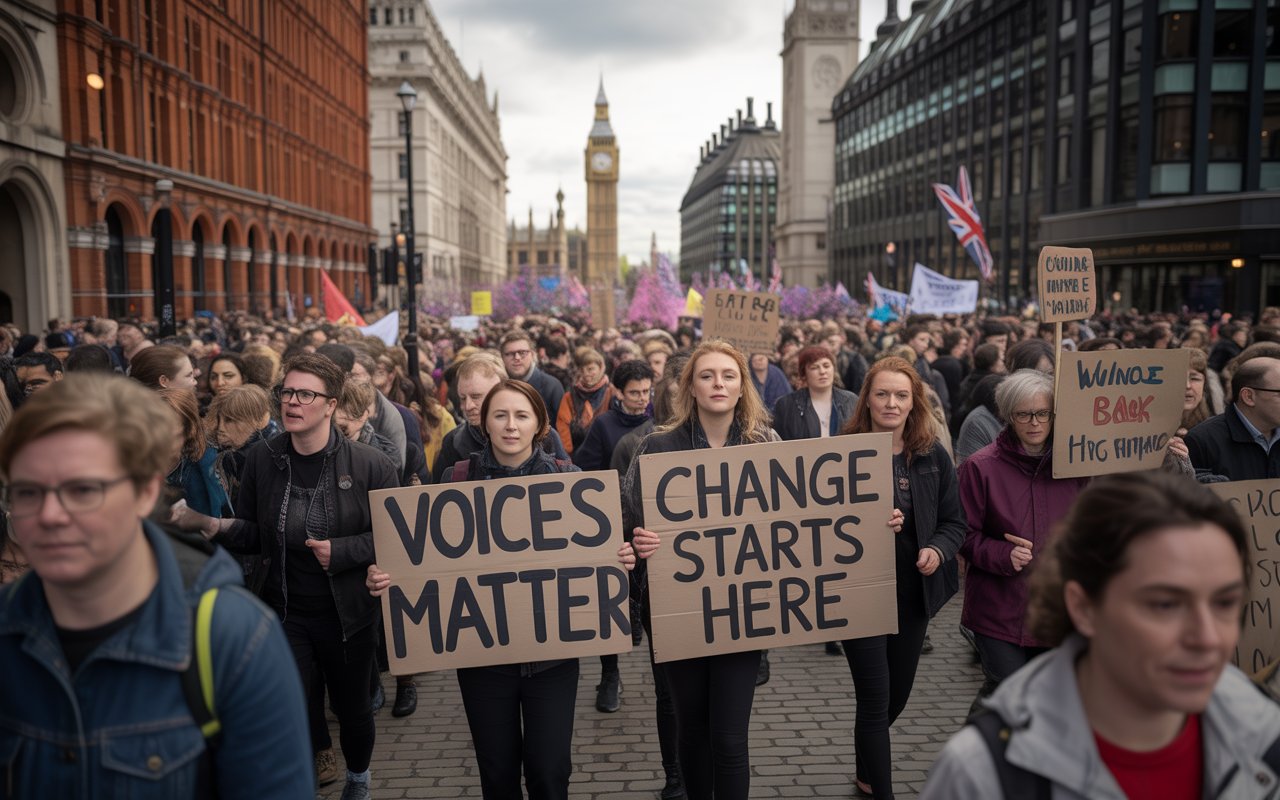
London isn’t just any city—it’s the political and cultural heart of the country. Protesting here carries symbolic weight.
Marching near historic buildings or government centers adds meaning to the message. It’s like knocking on the front door instead of shouting from the street corner. The location amplifies the impact, even before a single chant is heard.
How Protests Are Organized Today
Gone are the days when word spread only through flyers and word of mouth. Modern demonstrations are planned and shared in new ways.
The Power of Digital Communication
Social platforms play a huge role in mobilizing people. A single post can reach thousands within minutes, turning an idea into action almost instantly.
Grassroots Groups and Networks
Many gatherings start small, organized by local communities or advocacy groups. These networks grow organically, fueled by shared concerns rather than formal leadership.
The Experience on the Ground
For those attending, a protest is more than a political statement—it’s a sensory experience.
You hear chants echoing between buildings, see handmade signs filled with personal messages, and feel a mix of energy and tension in the air. It can feel empowering, like being part of a living, breathing crowd that moves with a shared purpose.
At the same time, emotions can run high. Joy, anger, hope, and frustration often exist side by side, reminding everyone that these moments are deeply human.
Public Safety and Crowd Management
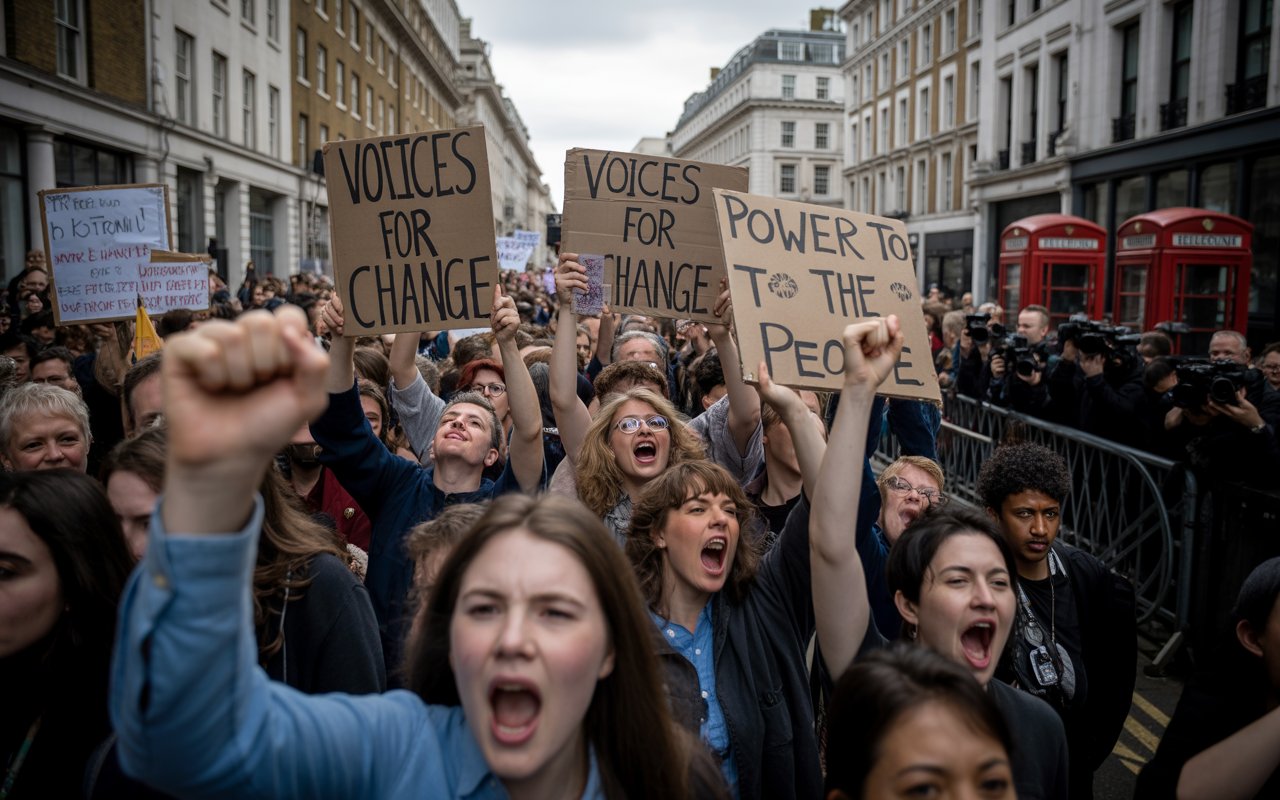
Large gatherings require careful coordination to keep everyone safe.
Policing and Security Measures
Authorities aim to balance public order with the right to assemble. This isn’t always easy, and approaches can influence how peaceful or tense an event feels.
Responsibilities of Participants
Those attending also play a role. Staying informed, looking out for others, and keeping calm helps ensure that messages don’t get lost in chaos.
Media Coverage and Public Perception
How a protest is portrayed can shape its impact far beyond the streets.
Traditional News Outlets
Headlines and images often focus on crowd size or moments of conflict. This can sometimes overshadow the reasons people gathered in the first place.
Citizen Reporting
With smartphones everywhere, participants now document events themselves. These firsthand perspectives add depth and challenge one-sided narratives.
Economic and Daily-Life Impact
Demonstrations don’t exist in a vacuum. They affect transport, businesses, and routines.
For some, a delayed commute is an inconvenience. For others, it’s a reminder that change often comes with disruption. Like roadworks fixing a broken bridge, temporary discomfort can lead to long-term improvement.
Criticism and Controversy Around Protests
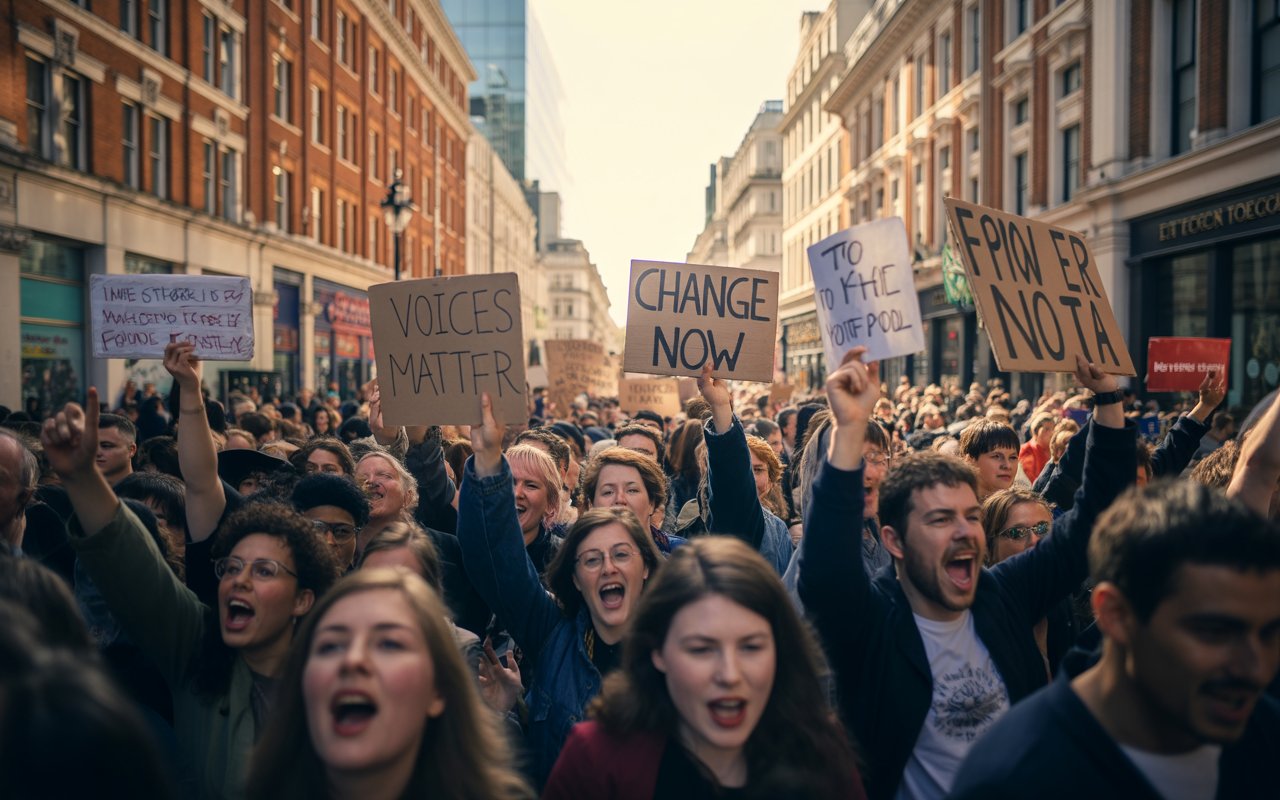
Not everyone views protests positively, and that’s part of the conversation too.
Some argue that gatherings cause unnecessary disruption, while others question whether they lead to real change. These debates highlight a tension between comfort and progress—between keeping things running smoothly and challenging the status quo.
When Protests Lead to Change
History shows that public pressure can influence decisions, shift opinions, and spark reform.
Not every demonstration results in immediate outcomes, but many plant seeds. Over time, these seeds grow into awareness, dialogue, and sometimes policy shifts. Change is rarely instant—it’s more like a slow-turning wheel than a flipped switch.
The Emotional Side of Collective Action
There’s something powerful about standing among strangers who care about the same issue.
For many, attending a protest feels like reclaiming agency. It reminds people they’re not alone, that their concerns are shared. In a city as vast as London, that sense of connection can be deeply meaningful.
The Future of Public Demonstrations in London
As society evolves, so will the way people express dissent.
Technology will continue to shape organization, while changing social values will influence causes. What remains constant is the desire to speak up. As long as people care deeply about their world, London’s streets will continue to echo with voices seeking change.
Conclusion: More Than Just Marches
Protests in London are more than crowded streets and raised banners. They are expressions of democracy in motion—messy, emotional, and deeply human. Whether you join them or observe from afar, they offer a window into what matters most to people at a given moment.
Like a mirror held up to society, these gatherings reflect hopes, frustrations, and the ongoing push for a better future. And in a city built on layers of history, every protest adds another layer to the story.
Frequently Asked Questions
Why do protests often happen in central London?
Central areas hold symbolic and practical importance, making messages more visible to leaders and the public alike.
Are protests always planned in advance?
Many are organized ahead of time, but some arise quickly in response to sudden events or decisions.
Do protests actually change anything?
While not always immediate, they can influence public opinion, spark debate, and contribute to long-term change.
How do protests affect everyday residents?
They may cause temporary disruptions, but they also raise awareness about issues affecting society as a whole.
Is protesting a legal right in the UK?
Yes, peaceful assembly is protected, though it comes with responsibilities and certain regulations to ensure safety.




Post Comment