Pink Diamond: Nature’s Blush-Toned Masterpiece of Luxury and Mystery

Have you ever seen a gemstone that feels almost unreal—like a drop of sunset frozen in stone? That’s the magic of a pink diamond. Soft yet powerful, delicate yet incredibly strong, it carries an emotional pull that few gems can match. Whether you’re curious about fine jewelry, investment, or simply love beautiful things, this rare treasure has a story that goes far beyond sparkle.
Let’s explore what makes this rosy gem so extraordinary—and why it continues to fascinate collectors, designers, and dreamers around the world.
The Origins of Pink Diamonds
Unlike colorless stones, these rare gems owe their blush hue not to chemical impurities, but to intense pressure deep within the Earth. Scientists believe their color forms when extreme geological forces distort the crystal structure during formation. Think of it like bending a clear piece of glass so subtly that it begins to reflect light differently—only this happens over millions of years beneath the surface.
Where Are They Found?
Historically, the most famous source was the Argyle mine in Australia. The Argyle Mine produced over 90% of the world’s supply for decades before closing in 2020. Smaller deposits have been discovered in Brazil, Russia, and parts of Africa, but none matched Argyle’s output or consistency.
With the main source closed, availability has dropped dramatically—making these stones even more desirable.
What Makes the Color So Special?
The shade can range from barely-there blush to deep, vibrant rose. Gem laboratories use grading terms like:
- Light
- Fancy
- Fancy Intense
- Fancy Vivid
The stronger and purer the color, the more valuable the stone becomes. A vivid tone can command astonishing prices at auctions.
Why Not All Pink Stones Are Equal
Some diamonds show secondary tones like purple, brown, or orange. A pure, evenly distributed pink hue is considered the most prized. When light hits such a stone, it seems to glow from within—almost like a tiny ember.
Rarity: A True Collector’s Dream
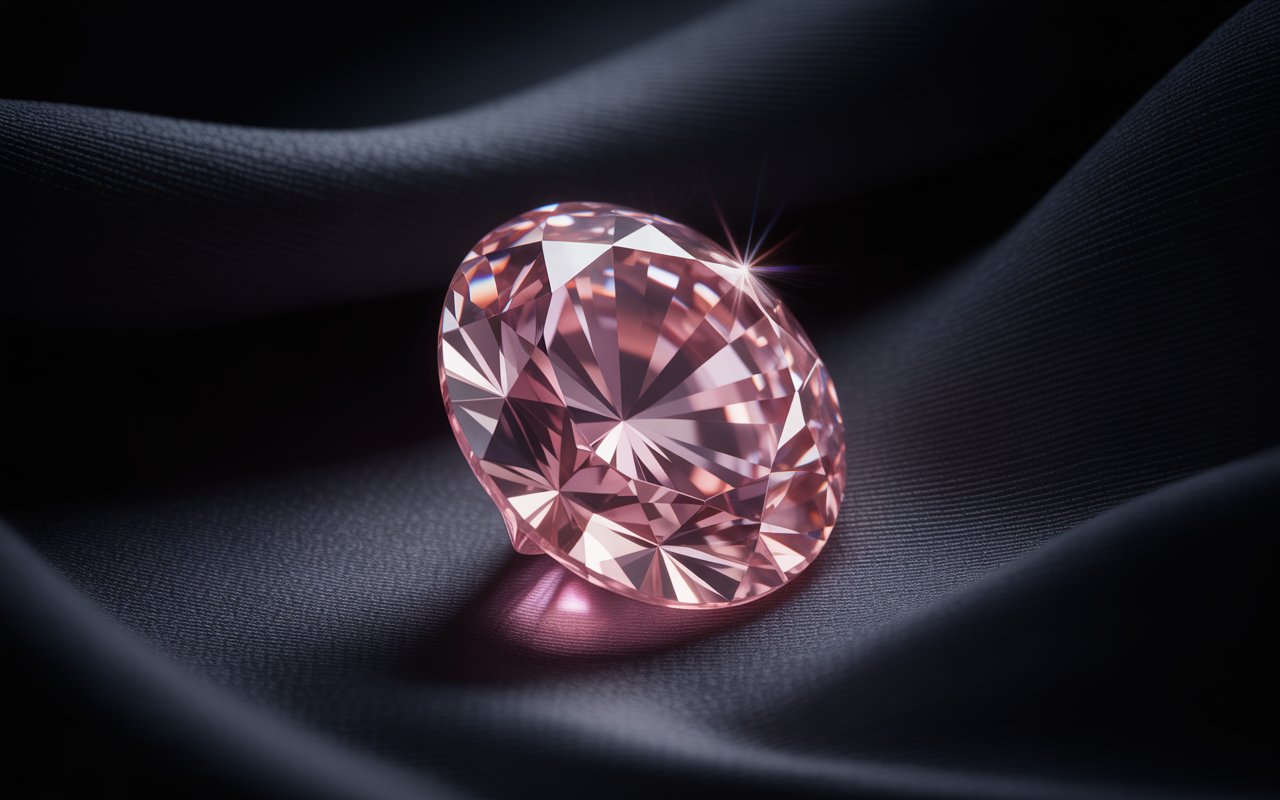
To understand scarcity, imagine sifting through thousands of ordinary shells on a beach to find one rare pearl. That’s similar to the odds miners face when searching for these gems.
Less than 0.1% of all diamonds mined globally exhibit natural pink coloration. And among those, only a fraction display strong saturation suitable for high-end jewelry.
Because supply is limited and demand continues to grow, prices have surged over the past two decades.
Famous Pink Diamonds in History
Throughout history, certain stones have captured global attention.
- The Pink Star sold for over $70 million at auction.
- The Graff Pink became one of the most expensive jewels ever auctioned.
- The Darya-i-Noor remains part of Iran’s royal collection.
These gems aren’t just accessories—they’re pieces of history.
Pink Diamond in Engagement Rings
If traditional white diamonds symbolize classic elegance, a pink one represents individuality and romance.
Why Couples Choose It
- Unique expression
- Romantic symbolism
- Rare statement piece
- Modern luxury
Celebrities have embraced colored stones in engagement rings, helping boost popularity worldwide.
When set in rose gold, the blush tones become even warmer and more enchanting.
Investment Value and Market Trends
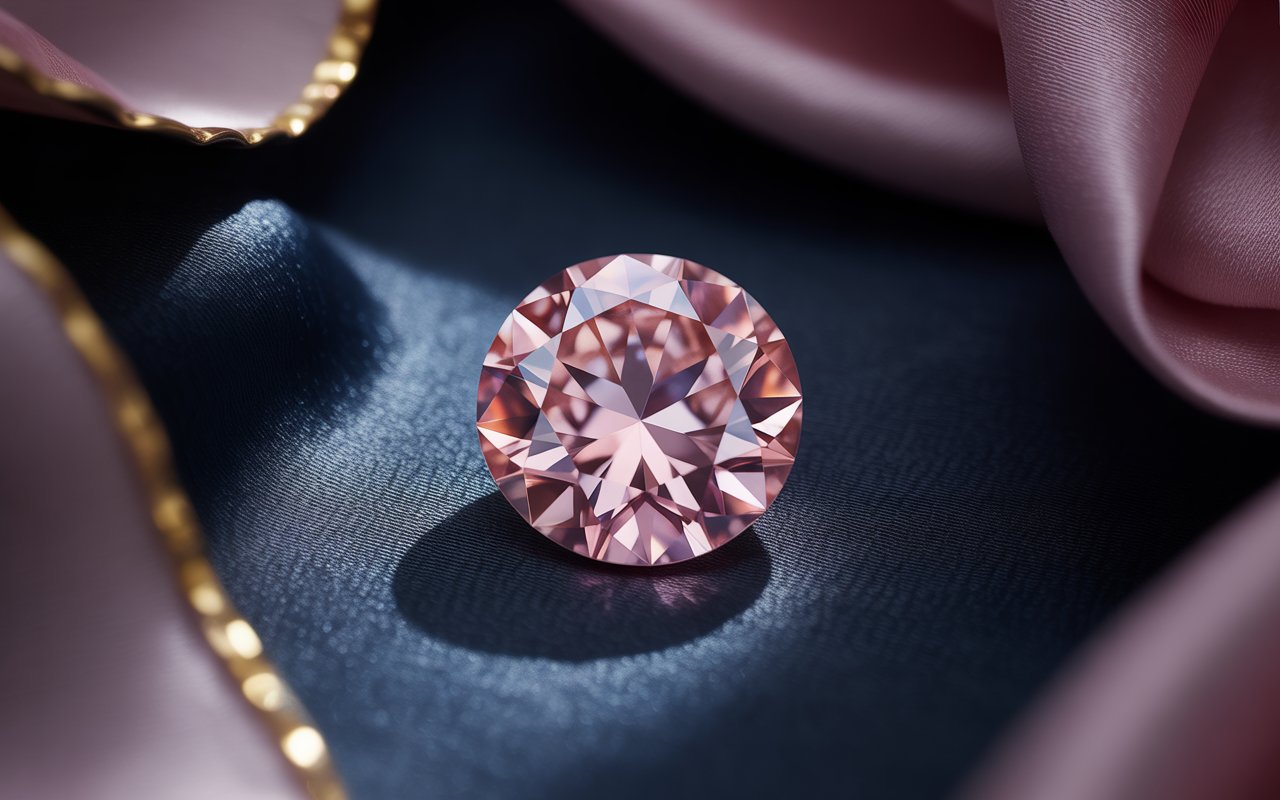
Over the years, these rare stones have proven resilient in fluctuating markets. Unlike stocks or property, gemstones are portable and finite.
With the closure of the Argyle mine, many investors see long-term appreciation potential. Auction records continue to break, reinforcing their status as alternative assets.
However, like any investment, expert guidance and certification are essential.
How to Evaluate a Pink Diamond
When buying, consider these factors:
Color
The most critical element. Strong, vivid shades command higher prices.
Clarity
Fewer internal inclusions increase value, though color often outweighs clarity in importance.
Cut
Proper faceting enhances brilliance and color intensity.
Carat Weight
Larger stones are exponentially rarer and more expensive.
Certification from respected laboratories ensures authenticity and grading accuracy.
Natural vs Treated Stones
Some diamonds are enhanced to achieve pink coloration through heat or irradiation. While these stones can be beautiful, they are significantly less valuable than natural ones.
Always request official documentation to confirm natural origin. Transparency protects both emotional and financial investment.
Symbolism and Emotional Meaning
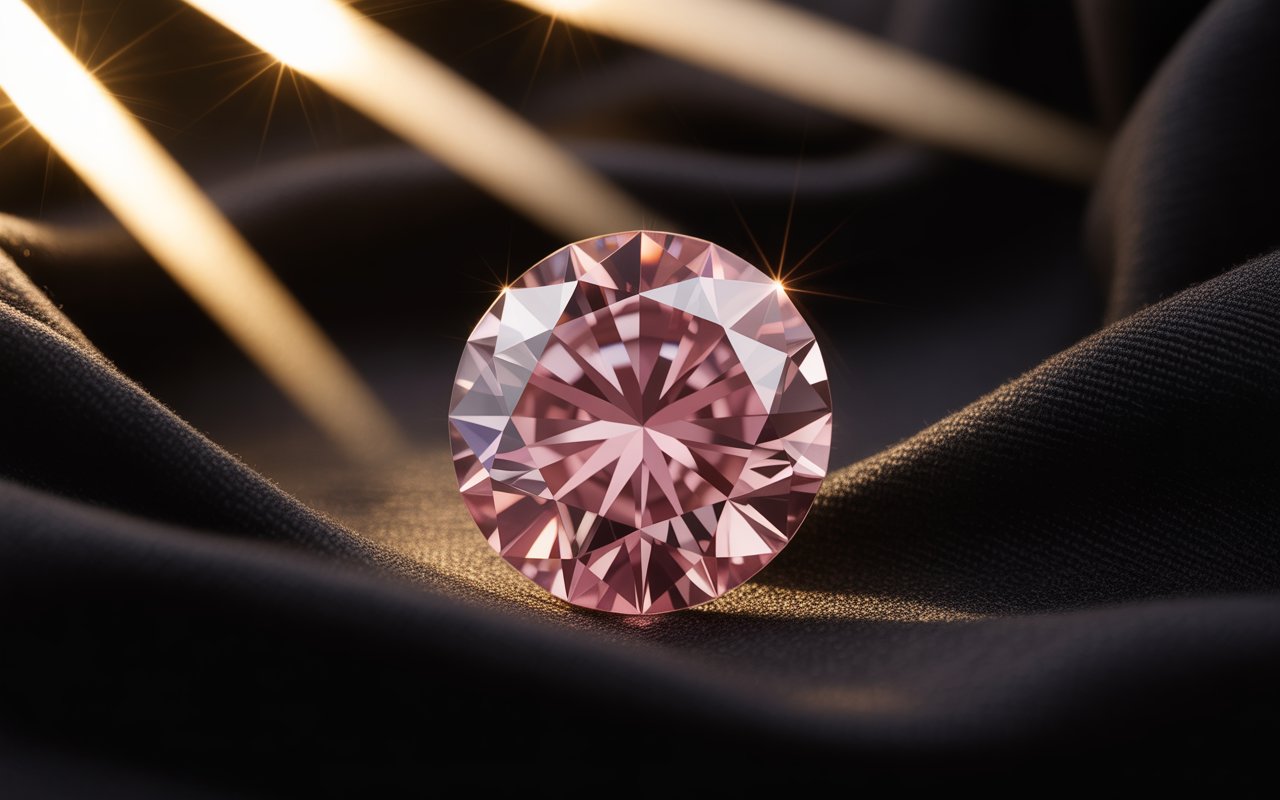
Color psychology connects pink with love, compassion, and creativity. It represents softness balanced with strength—much like the gem itself.
Gifting such a stone often symbolizes deep affection and rare devotion. It’s not just about price; it’s about meaning.
Caring for Your Pink Diamond
Despite ranking 10 on the Mohs hardness scale, proper care ensures longevity.
- Clean gently with warm water and mild soap.
- Avoid harsh chemicals.
- Store separately to prevent scratches.
- Schedule periodic professional inspections.
With minimal maintenance, the stone can last generations.
Ethical Sourcing and Sustainability
Modern buyers increasingly value ethical practices. Responsible mining, fair labor standards, and environmental considerations play a growing role in purchasing decisions.
Ask about origin and sourcing transparency before making a purchase. Ethical luxury is becoming the new standard.
The Future of Pink Diamonds
With primary supply depleted and global demand rising, these gems may become even more exclusive. Designers continue experimenting with innovative settings, combining contemporary style with timeless rarity.
Will lab-grown pink diamonds influence the market? Possibly—but natural stones retain unmatched prestige due to geological uniqueness.
One thing seems certain: their appeal isn’t fading anytime soon.
Conclusion
Pink diamonds are more than rare gemstones—they are symbols of beauty shaped by unimaginable pressure and time. From deep underground origins to dazzling auction rooms, their journey is extraordinary. Whether admired for romance, status, or investment, they represent something timeless: the idea that even under intense pressure, something breathtaking can emerge. And maybe that’s why we’re so drawn to them—they remind us that rarity and resilience often go hand in hand.
Frequently Asked Questions
1. Are pink diamonds rarer than white diamonds?
Yes, significantly rarer. Only a tiny fraction of mined diamonds display natural pink coloration.
2. Why did the Argyle mine closure affect prices?
It was the primary global source. After it shut down, supply decreased dramatically, increasing demand and value.
3. Are treated pink diamonds worth buying?
They can be affordable and attractive, but they do not hold the same value or rarity as natural stones.
4. How can I verify authenticity?
Request certification from reputable gemological laboratories confirming natural color and grading details.
5. Do pink diamonds make good investments?
Historically, high-quality stones have appreciated in value, especially rare vivid examples, but professional advice is recommended before purchasing.



Post Comment