Trump Bitcoin News: What It Means for Crypto, Politics, and Your Wallet
In recent years, two forces have dominated headlines in very different ways: American politics and digital currency. When those two worlds collide, people pay attention. That’s exactly what has happened with Trump Bitcoin news. Whether you’re a crypto enthusiast, a cautious investor, or simply someone trying to understand the buzz, you might be wondering: Why does this matter to me?
Let’s break it all down in simple terms. No jargon. No hype. Just clear insight into how political influence, regulation, markets, and digital assets are becoming deeply connected.
The Changing Tone: From Skepticism to Strategic Interest
When digital currency first gained popularity, many political leaders were openly skeptical. Among them was Donald Trump, who once described cryptocurrency as something he wasn’t a fan of. He raised concerns about volatility and the role of the U.S. dollar.
But politics, like markets, can shift quickly.
In recent years, public discussions and campaign messaging have signaled a more nuanced position. Instead of outright dismissal, the conversation has moved toward regulation, innovation, and national competitiveness. Why? Because crypto is no longer a niche hobby. It’s a global financial force.
The tone has changed from “this is risky” to “how do we manage and lead this?”
Why Bitcoin Became a Political Issue
Bitcoin started as a decentralized experiment. No central bank. No government control. Just code and consensus. So why did it become a campaign topic?
1. Voter Demographics
Millions of Americans now hold digital assets. Younger voters especially see crypto as part of the future economy. Any political campaign ignoring this group risks missing a growing constituency.
2. Financial Sovereignty
Supporters argue digital currency represents freedom from traditional banking systems. That message resonates with people who value limited government involvement.
3. Economic Strategy
As countries like China experiment with digital currencies and blockchain infrastructure, the question becomes: Should the U.S. lead or follow?
Crypto has shifted from tech novelty to economic strategy.
Market Reactions to Political Statements
Markets don’t just respond to earnings reports. They react to words.
Whenever major political figures comment on digital assets, prices often move. Traders watch speeches, interviews, and policy proposals closely. Even a small hint about regulation, taxation, or government reserves can spark volatility.
Think of it like weather forecasts before a big storm. If investors sense favorable conditions, optimism grows. If they sense tighter controls, caution spreads quickly.
That’s why headlines about policy stances often coincide with noticeable market shifts.
Regulation: The Heart of the Debate
At the center of Trump Bitcoin discussions lies regulation.
Clear Rules vs. Overreach
Many crypto supporters argue that the industry doesn’t fear regulation—it fears uncertainty. Businesses want clear guidelines on taxation, compliance, and securities classification.
A stricter regulatory environment could:
- Reduce fraud
- Increase institutional participation
- Stabilize long-term growth
But overly aggressive enforcement might:
- Push innovation overseas
- Slow blockchain development
- Create barriers for startups
The debate isn’t about whether to regulate—it’s about how much.
The Role of the SEC and Federal Agencies
Regulatory bodies like the U.S. Securities and Exchange Commission have taken active roles in defining digital asset policies. Enforcement actions, lawsuits, and approval decisions for crypto-based financial products all shape the industry.
Political leadership influences how these agencies operate. A shift in administration often brings changes in regulatory tone and priorities.
For everyday investors, that means policy direction can impact:
- Exchange operations
- Investment products
- Tax reporting requirements
In other words, politics quietly shapes the rules of the crypto game.
Bitcoin as a Campaign Symbol
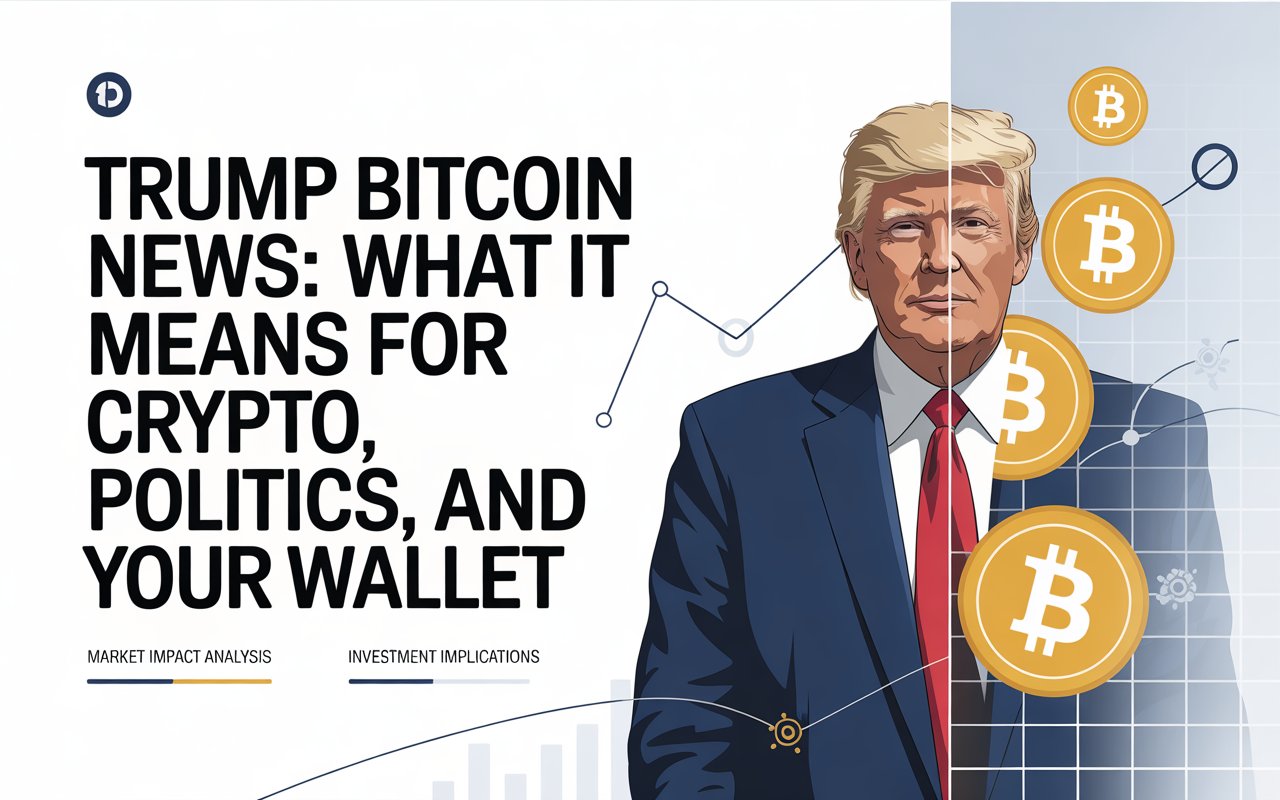
For some supporters, digital currency represents independence and innovation. It has become more than an asset—it’s a symbol.
During campaign cycles, embracing financial innovation can signal:
- Support for technological growth
- Alignment with entrepreneurs
- Commitment to economic modernization
It’s a strategic move. Just as past elections focused on manufacturing or energy, today’s discussions include blockchain and decentralized finance.
Crypto has entered the cultural conversation.
Economic Implications for the U.S. Dollar
A common question is whether digital currency threatens the dollar.
The U.S. dollar remains the world’s dominant reserve currency. However, as decentralized systems expand, governments consider how to balance innovation with monetary stability.
Some analysts argue that supporting blockchain innovation strengthens America’s competitive edge. Others worry about undermining centralized financial systems.
It’s not necessarily a replacement issue—it may be more about coexistence. Think of it like streaming services and cable television. One didn’t eliminate the other overnight, but it did change the landscape.
Institutional Adoption and Political Signals
When political rhetoric appears supportive, institutional investors often feel more confident entering the space.
Large financial firms monitor policy direction carefully. Positive regulatory signals can:
- Encourage ETF approvals
- Increase venture capital funding
- Accelerate infrastructure development
Conversely, uncertainty may slow expansion plans.
Political messaging acts like a green or red light for big money.
Mining, Energy, and Environmental Debates
Bitcoin mining requires energy. That fact alone brings environmental discussions into the spotlight.
Policy decisions related to:
- Energy production
- Carbon regulations
- Infrastructure development
can influence mining operations within the U.S.
Some argue that domestic mining strengthens national security and economic independence. Others raise concerns about environmental impact.
Balancing sustainability with innovation remains a central challenge.
Global Competition and Digital Leadership
Countries worldwide are investing heavily in blockchain technology. From digital payment systems to central bank digital currencies, the race is global.
Political leaders must consider:
- National security implications
- Technological leadership
- Economic competitiveness
Supporting digital innovation may be seen as positioning America as a leader in next-generation finance.
It’s no longer just about price charts—it’s about strategic advantage.
What This Means for Everyday Investors
If you’re holding digital assets or thinking about it, you may wonder: Should political news change my strategy?
Here are a few practical considerations:
Stay Informed
Policy changes can affect taxation and trading rules.
Avoid Emotional Decisions
Markets often overreact to headlines.
Think Long Term
Short-term volatility doesn’t always reflect long-term adoption trends.
Crypto investing can feel like riding a roller coaster. Political announcements sometimes add extra twists, but the broader track is shaped by technology, adoption, and regulation over time.
Media Coverage and Public Perception
Media plays a major role in shaping how people interpret political crypto news.
Headlines often amplify:
- Conflict
- Controversy
- Sudden market swings
But deeper analysis usually reveals more nuance. Policies take time to implement. Legislation requires negotiation. Regulatory changes don’t happen overnight.
Understanding the difference between headlines and actual policy is crucial.
The Bigger Picture: Technology Meets Governance
At its core, the conversation isn’t just about one politician or one cryptocurrency. It’s about the intersection of technology and governance.
Blockchain technology challenges traditional systems. Governments aim to maintain stability and oversight. The interaction between the two will shape financial systems for decades.
It’s a bit like the early days of the internet. Policymakers initially struggled to understand it. Over time, regulation evolved, businesses adapted, and society changed.
We may be witnessing a similar transformation.
Conclusion
The connection between politics and digital currency is no longer theoretical—it’s real and growing. Trump Bitcoin news reflects a broader shift in how governments engage with decentralized finance. From regulatory frameworks to global competition, the implications reach far beyond campaign speeches.
For everyday Americans, the key takeaway is awareness. Policy direction influences markets, innovation, and economic opportunity. While price movements grab headlines, the deeper story lies in how digital finance integrates into the national and global economy.
Whether you’re invested or simply curious, understanding this evolving relationship helps you make smarter decisions in a rapidly changing world.
FAQs
1. Why does political leadership affect Bitcoin prices?
Political leaders influence regulation, taxation, and financial oversight. Markets react to policy expectations, which can cause short-term volatility.
2. Has Donald Trump always supported cryptocurrency?
In earlier years, he expressed skepticism. More recent discussions have shown a more strategic and policy-focused approach toward digital assets.
3. Could Bitcoin replace the U.S. dollar?
It is unlikely in the near future. The dollar remains dominant globally, but digital assets may coexist alongside traditional currencies.
4. How does regulation impact crypto investors?
Clear rules can increase stability and institutional participation, while uncertainty may lead to volatility and reduced innovation.
5. Should investors make decisions based on political news alone?
It’s generally wise to consider broader market fundamentals and long-term trends rather than reacting solely to headlines.


Post Comment