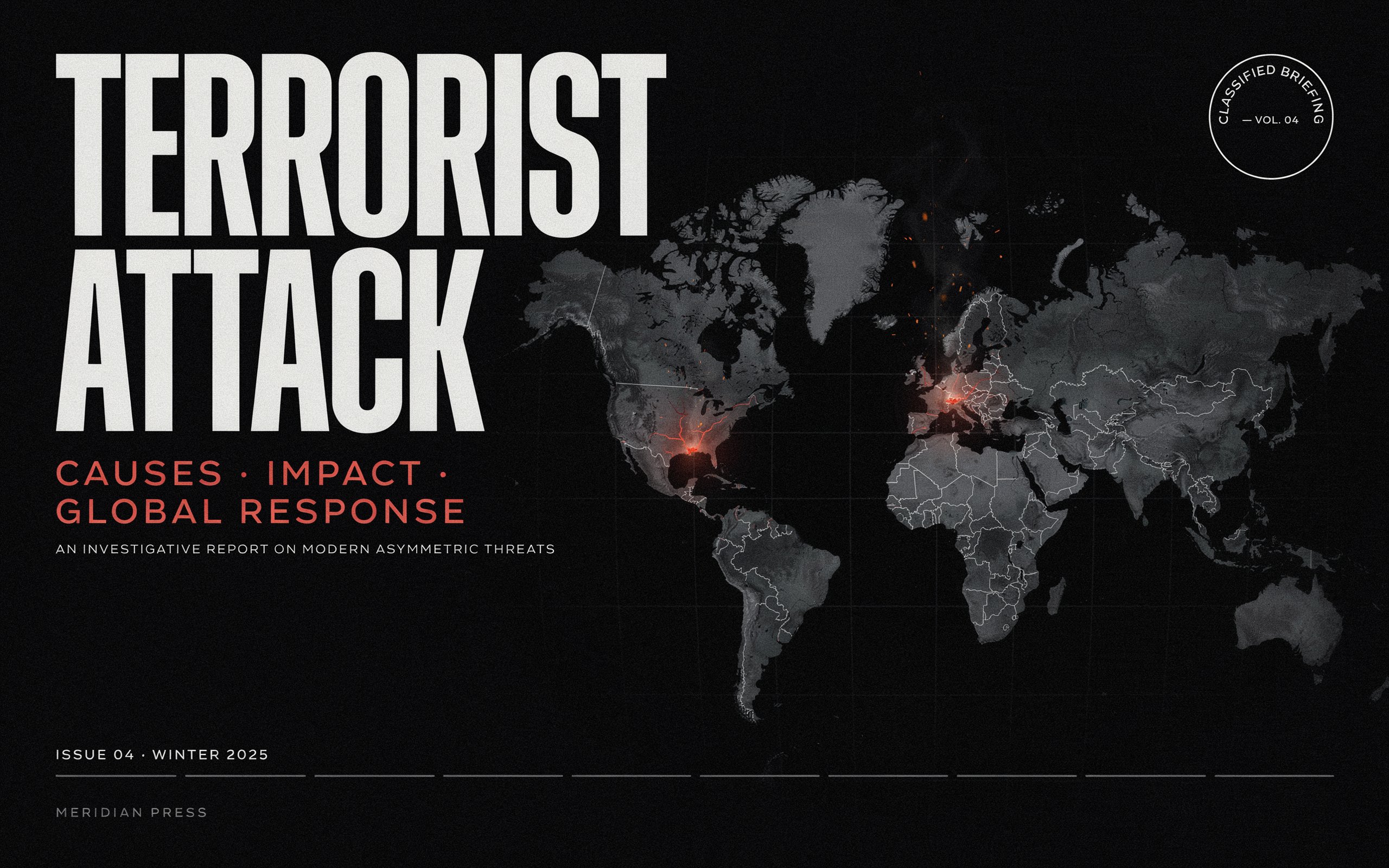
Terrorist Attack: Causes, Impact, and Global Response
Introduction
A terrorist attack is one of the most serious threats faced by societies around the world. These attacks are designed to create fear, disrupt daily life, and influence governments, organizations, or communities through violence or intimidation. While terrorist incidents vary in scale and method, their effects often extend far beyond the immediate victims.
One of the most widely remembered examples is the 9/11 attacks in the United States, which reshaped global security policies and international cooperation against terrorism. Understanding why terrorist attacks happen, how they affect societies, and what governments do to prevent them is essential for building safer communities.
In this article, you will learn about the causes of terrorism, its social and economic impact, lessons from 9/11 in 2001, and the global response to terrorist threats.
What Is a Terrorist Attack?
Definition of a Terrorist Attack
A terrorist attack is an act of violence carried out to create fear and achieve political, ideological, religious, or social objectives. These attacks often target civilians, public places, transportation systems, government facilities, or critical infrastructure.
The primary goal is usually not just physical damage but also psychological impact. Terrorists seek to spread fear among large populations and attract attention to their cause.
Common Characteristics
Most terrorist attacks share several features:
- Intentional use of violence
- Political or ideological motivations
- Efforts to intimidate or influence governments
- Targeting of civilians or symbolic locations
- Wide media attention
Examples can range from bombings and shootings to cyberattacks and coordinated assaults on public spaces.
Major Causes of Terrorist Attacks
Understanding the factors behind terrorism can help policymakers and communities address the root causes.
Political Grievances
Political instability, oppression, or unresolved conflicts can contribute to the emergence of extremist groups. Some organizations use violence to pursue political goals or challenge existing governments.
Ideological Extremism
Certain groups adopt extreme ideological beliefs and justify violence as a means of promoting their agenda. These beliefs can be political, religious, or social in nature.
Economic and Social Factors
Poverty alone does not cause terrorism, but economic hardship, lack of opportunities, and social exclusion can make individuals more vulnerable to extremist recruitment.
Online Radicalization
The internet has become a significant tool for spreading extremist propaganda. Social media platforms and encrypted communication channels have enabled some groups to recruit supporters across borders.
Regional Conflicts
Long-standing conflicts and instability in certain regions can create environments where extremist organizations operate and expand their influence.
The Impact of a Terrorist Attack
The consequences of a terrorist attack extend far beyond the immediate incident.
Human Cost
The most devastating impact is the loss of human life and injuries suffered by victims. Families and communities often face long-term emotional and psychological challenges.
Economic Damage
Terrorist incidents can disrupt businesses, tourism, transportation, and financial markets. Governments may also spend billions on emergency response and security improvements.
Social Effects
Terrorism can create fear and uncertainty within communities. It may also increase social tensions if misinformation or prejudice spreads following an attack.
Political Consequences
Governments often introduce new security measures, legislation, and international partnerships in response to terrorist threats.
Global Security Challenges
Modern terrorism frequently crosses national borders, making international cooperation essential for prevention and response.
Understanding 9/11: A Defining Moment in Modern History
What Is 9/11?
The term “9/11” refers to the terrorist attacks that occurred in the United States on September 11, 2001. The attacks remain one of the most significant terrorist events in modern history.
What Year Did 9/11 Happen?
Many people ask, what year did 911 happen?
The answer is simple: 9/11 happened in 2001.
What Day Did 9/11 Happen?
Another common question is, what day did 9/11 happen?
The attacks occurred on Tuesday, September 11, 2001.
9/11 Times and Timeline
People often search for 9/11 times to understand the sequence of events. During the morning of September 11, 2001, multiple coordinated attacks took place within a short period, resulting in thousands of casualties and widespread destruction.
Lasting Impact of 9/11 in 2001
The attacks transformed global security practices. Following 9/11 in 2001, countries strengthened intelligence sharing, airport screening procedures, border controls, and counterterrorism operations.
The event also highlighted the importance of international cooperation in addressing transnational security threats.
How Countries Respond to Terrorist Attacks
Emergency Response Systems
Governments maintain emergency response agencies that coordinate rescue operations, medical services, and public safety efforts during crises.
Intelligence Gathering
Intelligence agencies monitor potential threats, analyze information, and work with international partners to identify risks before attacks occur.
Counterterrorism Strategies
Modern counterterrorism efforts include:
- Monitoring extremist networks
- Protecting critical infrastructure
- Enhancing cybersecurity
- Strengthening border security
- Promoting community engagement
International Cooperation
Organizations and governments around the world collaborate to share intelligence and coordinate responses to emerging threats.
How Communities Can Help Prevent Terrorism
While governments play a major role, communities also contribute to prevention efforts.
Promote Education and Awareness
Education helps individuals recognize misinformation and resist extremist narratives.
Encourage Community Engagement
Strong communities are often more resilient to division and radicalization efforts.
Support Mental Health and Social Services
Accessible support systems can help address vulnerabilities that extremist groups may attempt to exploit.
Report Suspicious Activity
Citizens can contribute to public safety by reporting credible concerns to appropriate authorities.
Frequently Asked Questions (FAQs)
What is a terrorist attack?
A terrorist attack is an act of violence intended to create fear and achieve political, ideological, religious, or social objectives.
What year did 911 happen?
9/11 happened in 2001.
What day did 9/11 happen?
The attacks occurred on Tuesday, September 11, 2001.
What is 9 11?
9/11 refers to the coordinated terrorist attacks carried out in the United States on September 11, 2001.
Why do terrorist attacks occur?
Terrorist attacks can result from a combination of political grievances, ideological extremism, regional conflicts, social factors, and radicalization efforts.
Conclusion
A terrorist attack can have devastating consequences for individuals, communities, and nations. Understanding the causes of terrorism, its impact on society, and the measures used to prevent future incidents is essential in today’s interconnected world.
The lessons learned from events such as 9/11 in 2001 continue to shape global security policies and international cooperation. By promoting education, strengthening communities, and supporting effective counterterrorism efforts, societies can work toward reducing the threat of terrorism and improving public safety worldwide.







Post Comment