Adoption Can Be a Rewarding Process with the Right Support
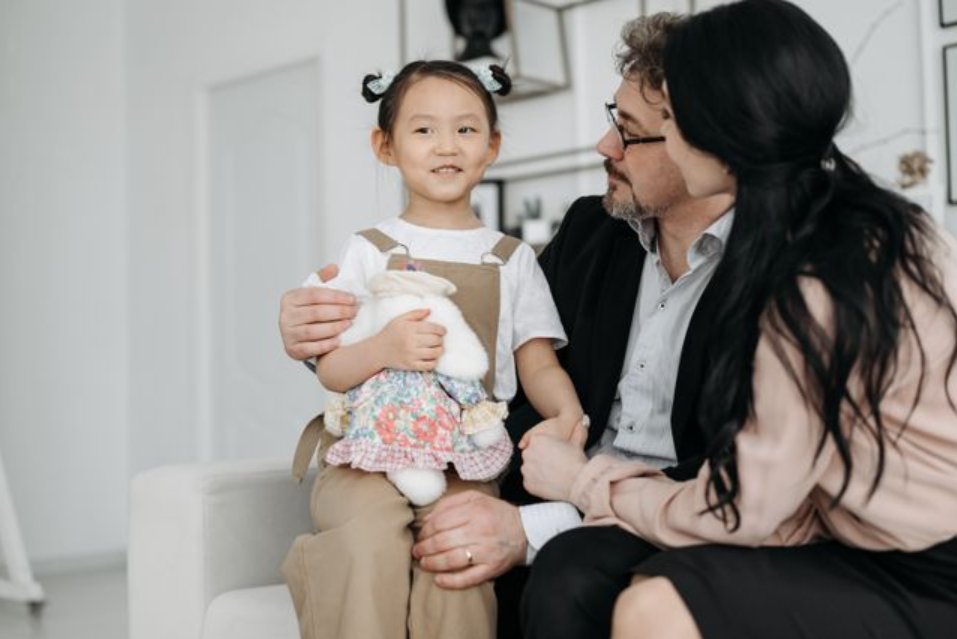
Adoption is often described as a legal process, but for the people involved, it is also deeply personal. It can bring hope, relief, anticipation, uncertainty, and joy, sometimes all of the above at once. For hopeful parents, it may represent the chance to grow a family in a way they have carefully considered. For expectant or birth parents, it may involve thoughtful decision-making about a child’s future. For children, adoption can offer permanency, stability, and lifelong connection. Because the journey includes practical steps and emotional realities, the right support can make a meaningful difference from the earliest conversations through life after placement.
Understanding the Process Before Taking the Next Step
One of the most helpful forms of support is clear, accurate information. Adoption can follow different paths, including private domestic adoption, foster care adoption, kinship adoption, and intercountry adoption. Each path has its own requirements, timelines, legal considerations, and preparation steps. Families may need to complete background checks, home studies, education sessions, interviews, financial documentation, and court procedures. These steps can feel overwhelming when viewed all at once, but they become more manageable when broken into smaller parts. A knowledgeable professional can explain what is required, why each step matters, and what families can expect along the way. This clarity helps reduce confusion and allows everyone involved to make thoughtful choices rather than rushed decisions.
Preparing Emotionally for a Lifelong Journey
Emotional preparation is just as important as paperwork. Adoption may include moments of excitement, waiting, disappointment, adjustment, and growth. Hopeful parents may need time to reflect on their motivations, expectations, and readiness for parenting through adoption. Birth parents may need compassionate guidance as they consider their options and think through what kind of future relationship, if any, feels right. Children and youth may carry questions about identity, belonging, loss, culture, or family history. Supportive counseling, education, and honest conversations can help each person approach the process with greater awareness. When families understand that adoption is not a single event but a lifelong experience, they are better prepared to respond with patience, empathy, and consistency.
Building a Support Network That Fits the Family
No family should feel as though they have to navigate adoption alone. Support may come from social workers, attorneys, counselors, medical providers, extended family members, mentors, faith communities, or other adoptive families. For many people, working with an adoption agency can help organize the process and connect families with resources that match their needs. The most effective support networks are not one-size-fits-all. They consider the circumstances of the child, the wishes of birth parents, the readiness of adoptive parents, and the practical realities of everyday family life. A strong network can also help families prepare for conversations about adoption, gather appropriate records, understand openness agreements, and plan for the transition after placement.
Creating Stability Through Practical Preparation
Practical preparation helps turn good intentions into a stable home environment. Before placement, families often benefit from thinking through childcare, school enrollment, medical care, insurance, parental leave, transportation, and daily routines. They may also need to prepare siblings, relatives, and close friends for the changes ahead. If a child has experienced foster care, separation, trauma, or uncertainty, predictability can be especially important. Simple routines, calm communication, and age-appropriate explanations can help a child begin to feel safe. Preparation does not mean having every answer in advance. It means building enough structure and flexibility to respond when needs arise. Families that plan ahead are often better able to focus on connection during the early days and weeks of adjustment.
Recognizing the Value of Post-Adoption Support
Support remains important after adoption is finalized. In many families, new questions emerge as children grow and reach different stages of development. A young child may ask simple questions about where they were born. An older child or teen may want more detailed conversations about identity, birth family, culture, or personal history. Parents may seek guidance on how to answer with honesty while honoring privacy and emotional readiness. Post-adoption services, support groups, adoption-informed therapy, educational resources, and peer connections can all help families continue learning. Asking for help after finalization should not be viewed as a sign that something is wrong. It is often a sign that a family is committed to understanding one another and strengthening the relationships that matter most.
Conclusion
Adoption can be one of the most meaningful paths to family, but it is also a process that deserves care, preparation, and steady guidance. With the right support, families can better understand their options, prepare for emotional and practical realities, and create a stable environment where children can feel secure and valued. The most rewarding adoption experiences are often built through patience, honesty, education, and a willingness to keep learning long after the legal process is complete. When people are supported at every stage, adoption becomes more than a placement. It becomes a foundation for connection, belonging, and lasting family relationships.






Post Comment