How Small Businesses Can Lower Utility Bills Through Energy Efficiency
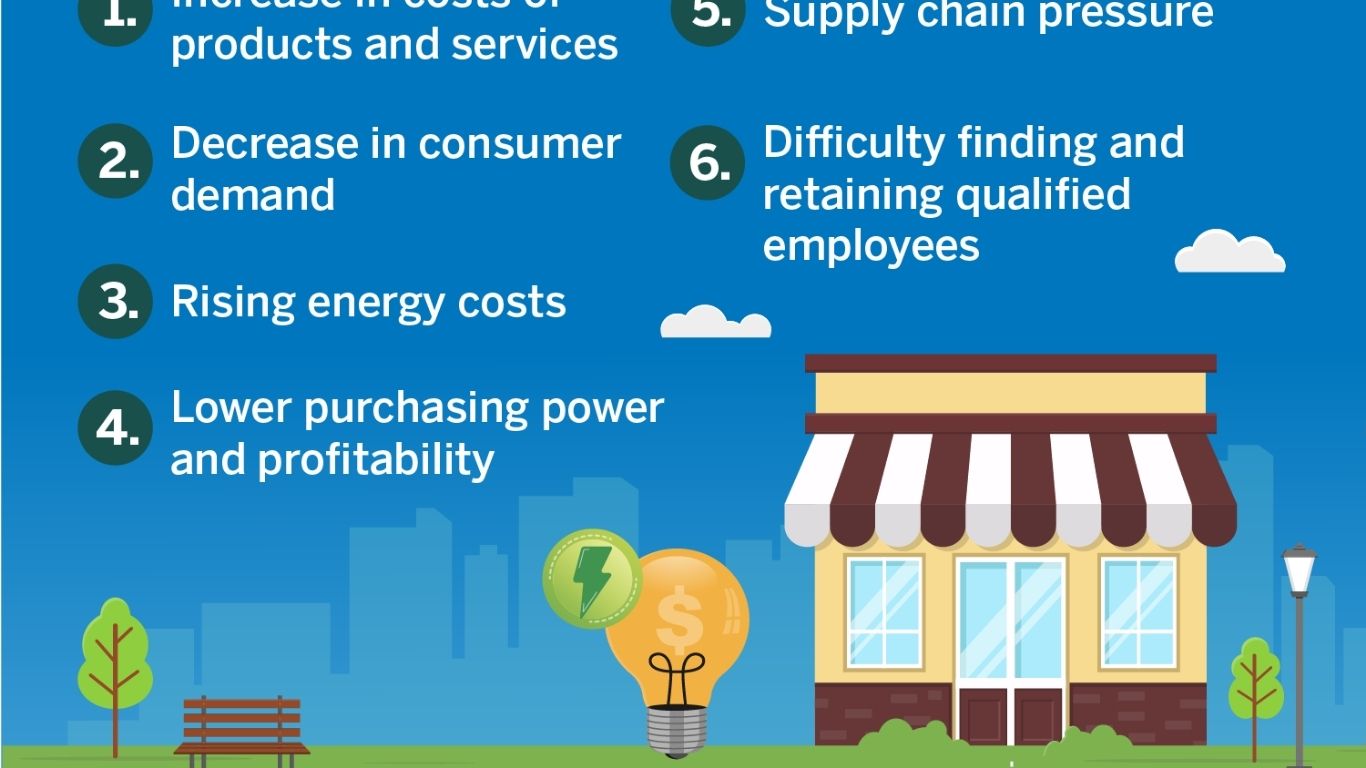
For many small businesses, utility costs represent one of the largest recurring operating expenses. Whether you own a retail store, restaurant, office, warehouse, or service business, rising electricity and energy prices can significantly affect profitability. Fortunately, reducing utility bills doesn’t always require major renovations or expensive equipment. In many cases, a combination of smart operational practices, energy-efficient technology, and regular maintenance can produce meaningful savings over time.
Energy efficiency isn’t simply about lowering monthly bills—it’s also about improving workplace comfort, extending the lifespan of equipment, supporting sustainability goals, and creating a more resilient business. As technology continues to evolve, small businesses have more opportunities than ever to monitor energy use, identify waste, and make informed decisions that reduce costs.
This guide explains practical strategies that small businesses can implement to improve energy efficiency and lower utility expenses without sacrificing productivity or customer comfort.
Why Energy Efficiency Matters
Energy is essential to daily business operations. Lighting, heating, cooling, computers, refrigeration, and machinery all contribute to monthly utility bills.
Improving energy efficiency can help businesses:
- Lower operating expenses
- Improve cash flow
- Reduce environmental impact
- Increase equipment lifespan
- Enhance employee comfort
- Create a better customer experience
- Reduce unexpected maintenance costs
Even modest improvements can add up to significant savings over the course of a year.
Understand Where Energy Is Being Used
The first step toward reducing utility costs is understanding how energy is consumed throughout your business.
Common sources of energy usage include:
- HVAC systems
- Lighting
- Office equipment
- Refrigeration units
- Water heaters
- Kitchen appliances
- Manufacturing equipment
Conducting an energy assessment or reviewing monthly utility data can help identify areas where improvements will have the greatest impact.
Upgrade to Energy-Efficient Lighting
Lighting is one of the easiest places to reduce electricity consumption.
Replacing older bulbs with LED lighting offers several benefits:
- Lower energy use
- Longer lifespan
- Reduced maintenance
- Improved brightness
- Less heat generation
Installing occupancy sensors in storage rooms, restrooms, and conference rooms can further reduce unnecessary energy consumption.
Optimize Heating and Cooling Systems
Heating and cooling often account for a large portion of commercial energy use.
Improving HVAC efficiency can significantly reduce utility bills while maintaining a comfortable indoor environment.
Effective strategies include:
- Replacing dirty air filters
- Sealing air leaks
- Using programmable or smart thermostats
- Cleaning vents and ducts
- Scheduling regular inspections
- Maintaining proper thermostat settings
Businesses in warmer climates should also prioritize preventive service. Scheduling professional ac maintenance houston tx helps commercial cooling systems operate more efficiently, reduces unnecessary energy consumption, and may help identify developing issues before they lead to costly breakdowns.
Prevent Costly Equipment Breakdowns
Unexpected equipment failures often increase operating costs through emergency repairs, business interruptions, and reduced efficiency.
Preventive maintenance helps by:
- Identifying worn components
- Improving equipment performance
- Extending system lifespan
- Reducing emergency service calls
- Maintaining manufacturer-recommended performance
Addressing small problems early is typically less expensive than waiting for a complete system failure.
Improve Building Insulation
Poor insulation forces heating and cooling systems to work harder.
Business owners should inspect:
- Windows
- Doors
- Roof insulation
- Wall insulation
- Loading dock seals
Proper insulation helps maintain stable indoor temperatures while reducing energy demand.
Use Smart Thermostats
Modern smart thermostats automatically adjust temperatures based on occupancy and business hours.
Benefits include:
- Reduced energy waste
- Automated scheduling
- Remote management
- Energy usage reports
- Improved comfort
Even small temperature adjustments outside business hours can produce noticeable savings.
Maintain Office Equipment
Office technology continues consuming electricity even when not actively used.
Businesses can reduce unnecessary energy consumption by:
- Enabling sleep mode
- Turning off unused equipment
- Using smart power strips
- Replacing outdated hardware with energy-efficient models
These simple habits contribute to long-term cost reductions.
Invest in Energy-Efficient Appliances
When replacing older equipment, prioritize energy-efficient models.
Common upgrades include:
- Refrigerators
- Water heaters
- HVAC equipment
- Commercial kitchen appliances
- Office electronics
Although newer equipment often requires an initial investment, lower operating costs may offset the expense over time.
Monitor Energy Usage
Many utility providers offer digital dashboards that help businesses monitor electricity consumption.
Tracking usage allows owners to:
- Identify unusual spikes
- Compare monthly performance
- Evaluate energy-saving initiatives
- Set reduction goals
Continuous monitoring makes it easier to measure improvements.
Encourage Employee Participation
Energy efficiency is a team effort.
Employees can contribute by:
- Turning off unused lights
- Reporting maintenance issues
- Closing doors properly
- Shutting down equipment after use
- Following energy-saving policies
Building awareness throughout the workplace often leads to lasting behavioral improvements.
Upgrade Aging HVAC Equipment
Older HVAC systems generally consume more energy than newer high-efficiency models.
Signs it may be time for an upgrade include:
- Rising utility bills
- Frequent repairs
- Uneven temperatures
- Poor airflow
- Excessive system noise
If cooling equipment begins showing signs of reduced performance, arranging professional ac repair houston tx services can help restore efficiency, improve reliability, and determine whether repair or replacement is the most cost-effective solution for your business.
Use AI and Smart Building Technology
Artificial intelligence is helping businesses manage energy more effectively.
Modern AI-powered building systems can:
- Analyze energy consumption
- Detect equipment inefficiencies
- Predict maintenance needs
- Optimize heating and cooling schedules
- Adjust lighting automatically
- Identify unusual operating patterns
These intelligent systems reduce waste while improving overall building performance.
Reduce Water Heating Costs
Water heating contributes to energy expenses in many businesses.
Ways to reduce costs include:
- Lowering water heater temperatures
- Insulating hot water pipes
- Repairing leaks promptly
- Installing efficient fixtures
Small improvements can reduce both water and electricity usage.
Perform Regular Energy Audits
An energy audit provides valuable insights into building performance.
Audits may identify:
- Air leaks
- Equipment inefficiencies
- Lighting improvements
- Insulation deficiencies
- Operational waste
Many utility companies offer energy assessments or incentives that help businesses prioritize improvements.
Consider Renewable Energy Options
Depending on location and budget, renewable energy may provide additional long-term savings.
Examples include:
- Solar panels
- Battery storage systems
- Community solar programs
Although renewable energy isn’t practical for every business, it continues becoming more accessible and affordable.
Common Energy-Wasting Mistakes
Avoid these frequent issues:
Ignoring Preventive Maintenance
Neglected equipment often consumes more energy.
Running Equipment After Hours
Leaving lights, computers, or HVAC systems operating unnecessarily increases monthly expenses.
Poor Thermostat Settings
Extreme temperature settings rarely improve comfort while significantly increasing energy use.
Delaying Repairs
Minor issues often become more expensive when ignored.
Failing to Monitor Utility Bills
Regular reviews help identify unusual usage before problems become serious.
Frequently Asked Questions
What uses the most energy in a small business?
For many businesses, heating and cooling systems represent one of the largest sources of energy consumption, followed by lighting, refrigeration, office equipment, and water heating.
How can businesses lower electricity bills quickly?
Simple steps such as upgrading to LED lighting, adjusting thermostat settings, maintaining HVAC systems, turning off unused equipment, and sealing air leaks can produce noticeable savings.
Are smart thermostats worth the investment?
Yes. Smart thermostats help automate temperature control, reduce unnecessary energy usage, and provide valuable insights into building performance.
How often should commercial HVAC systems be maintained?
Maintenance schedules vary depending on equipment and usage, but many businesses benefit from professional inspections at least twice a year to keep systems operating efficiently.
Does preventive maintenance reduce operating costs?
In many cases, yes. Regular maintenance improves equipment performance, reduces unexpected breakdowns, extends system lifespan, and helps prevent costly emergency repairs.
Final Thoughts
Lowering utility bills through energy efficiency is one of the most practical ways small businesses can improve profitability while supporting long-term sustainability. From upgrading lighting and improving insulation to maintaining HVAC equipment and adopting smart technologies, every improvement contributes to lower operating costs and better building performance.
The most successful energy-saving strategies combine modern technology with consistent maintenance and employee awareness. Rather than waiting for utility expenses to increase or equipment to fail, businesses that take a proactive approach often enjoy greater efficiency, improved reliability, and a more comfortable environment for both employees and customers.
By making energy efficiency an ongoing priority, small businesses can reduce costs, strengthen operational resilience, and position themselves for continued success in an increasingly competitive marketplace.





Post Comment