Did Trump Actually Bomb Iran? Breaking Down the Facts, Actions, and Consequences
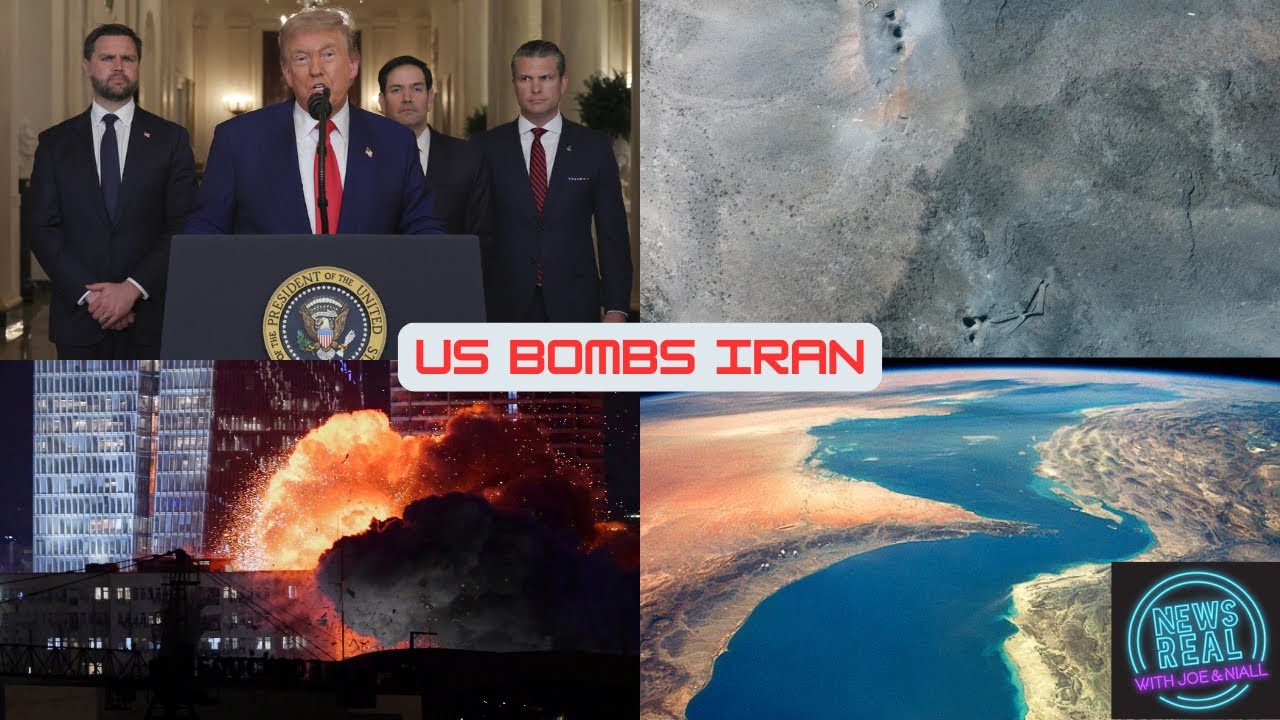
International politics often feels like a giant chessboard. Every move a leader makes can trigger reactions from allies, rivals, and the global community. One question that continues to circulate online and in political discussions is simple yet serious: Did Donald Trump bomb Iran?
The short answer is no, the United States did not conduct a full-scale bombing campaign against Iran during Donald Trump’s presidency. However, several major military actions and tense confrontations occurred between the United States and Iran during that period. These events fueled speculation, confusion, and intense debate.
To truly understand what happened, we need to examine the timeline, the key incidents, the motivations behind decisions, and the global consequences. Let’s break it down in simple terms so anyone can understand the story behind this widely discussed question.
The Background of U.S.–Iran Tensions
Before examining the specific events during the Trump presidency, it’s important to understand the long history of tension between the United States and Iran.
Relations between the two countries have been strained since the 1979 Iranian Revolution, when Iran’s monarchy was replaced by an Islamic Republic. Since then, disagreements over nuclear development, regional influence, sanctions, and military presence in the Middle East have created an environment of mistrust.
Over the decades, the relationship between the two countries has been marked by a range of confrontations and strategic pressures.
- Economic sanctions
- Diplomatic confrontations
- Military posturing in the Persian Gulf
- Cyber and intelligence operations
Think of the relationship like two neighbors who have argued for decades. Even small incidents can quickly escalate because the trust is already broken.
When Donald Trump entered office in 2017, this tense relationship was already fragile.
Trump’s Approach to Iran
From the beginning of his presidency, Trump adopted a more aggressive policy toward Iran compared to previous administrations.
Withdrawal from the Nuclear Agreement
In 2018, the United States withdrew from the Iran nuclear deal, formally known as the Joint Comprehensive Plan of Action (JCPOA). The agreement had previously limited Iran’s nuclear program in exchange for relief from economic sanctions.
Trump argued that the deal was flawed because it did not address:
- Iran’s ballistic missile program
- Regional military activities
- Long-term nuclear restrictions
After leaving the agreement, the United States introduced a policy known as “maximum pressure.”
Economic Pressure and Sanctions
This strategy focused heavily on economic sanctions designed to weaken Iran’s economy and force negotiations.
The measures included restrictions on:
- Oil exports
- International banking access
- Trade with foreign companies
These sanctions significantly affected Iran’s economy and increased tensions between the two nations.
Rising Military Tensions in the Middle East
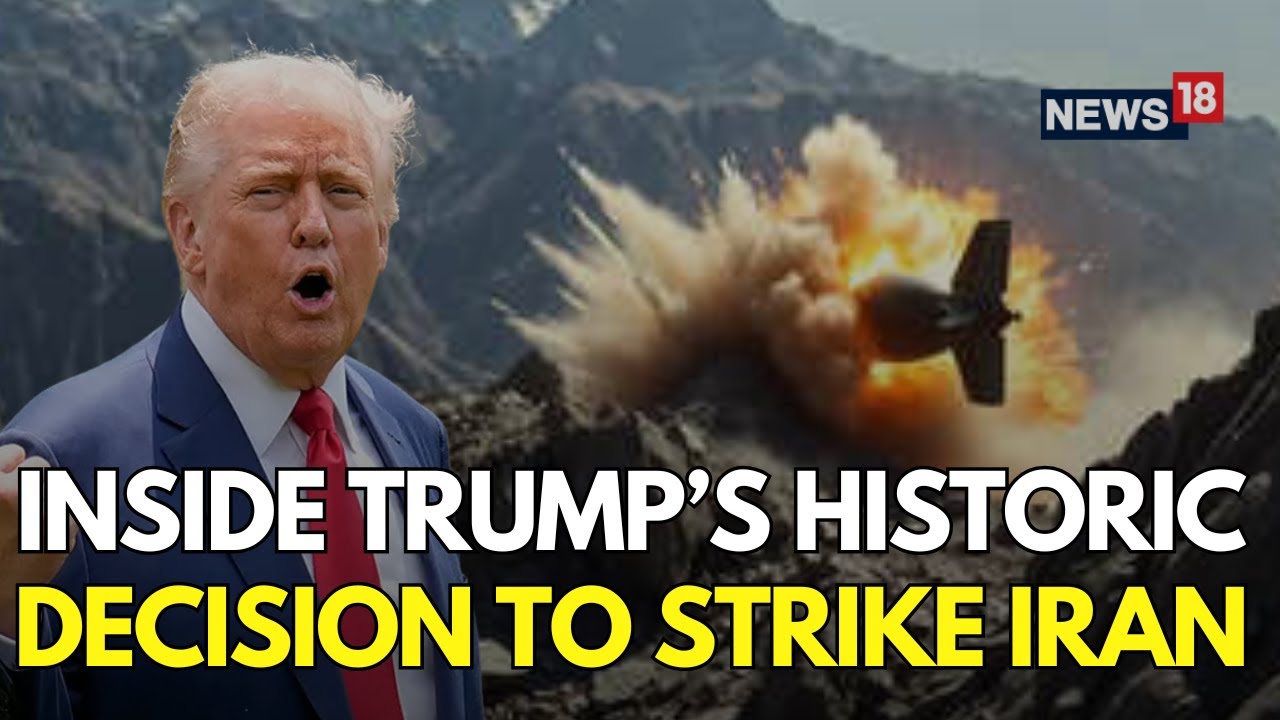
By 2019, the situation in the Middle East had become increasingly volatile.
Several incidents occurred involving ships, drones, and military bases.
Oil Tanker Attacks
In 2019, multiple oil tankers were attacked near the Strait of Hormuz, one of the world’s most important shipping routes for oil.
The United States blamed Iran for the attacks, though Iran denied direct involvement.
Drone Shootdown
Later that year, Iran shot down a U.S. surveillance drone over the Persian Gulf. Iran claimed the drone had entered its airspace, while the United States said it was in international territory.
In response, Trump considered a military strike against Iranian targets but ultimately called it off shortly before it was carried out.
This moment highlighted how close the two nations came to direct conflict.
The Killing of Qassem Soleimani
One of the most dramatic moments occurred in January 2020.
The United States conducted a targeted drone strike in Baghdad, Iraq, killing Qassem Soleimani, a powerful Iranian military commander.
Soleimani led the Quds Force, a branch of Iran’s Islamic Revolutionary Guard Corps responsible for overseas military operations.
Why the U.S. Carried Out the Strike
The U.S. government claimed the operation was necessary to stop planned attacks on American personnel in the region.
Supporters of the decision argued that Soleimani was responsible for orchestrating attacks against U.S. forces and allies.
Iran’s Reaction
Iran strongly condemned the strike and called it an act of war.
Mass protests erupted in Iran, and the government vowed retaliation.
This moment represented one of the most dangerous spikes in U.S.–Iran tensions in decades.
Did the United States Bomb Iran?
Despite the intense confrontation, the United States did not launch a large-scale bombing campaign inside Iran during Trump’s presidency.
However, the targeted strike against Soleimani and other military operations created the perception that a wider conflict might be imminent.
In other words:
- There were military actions involving Iranian targets
- But there was no full invasion or widespread bombing of Iran itself
Understanding this distinction is important when discussing the claim that Trump “bombed Iran.”
Iran’s Retaliation Against U.S. Forces
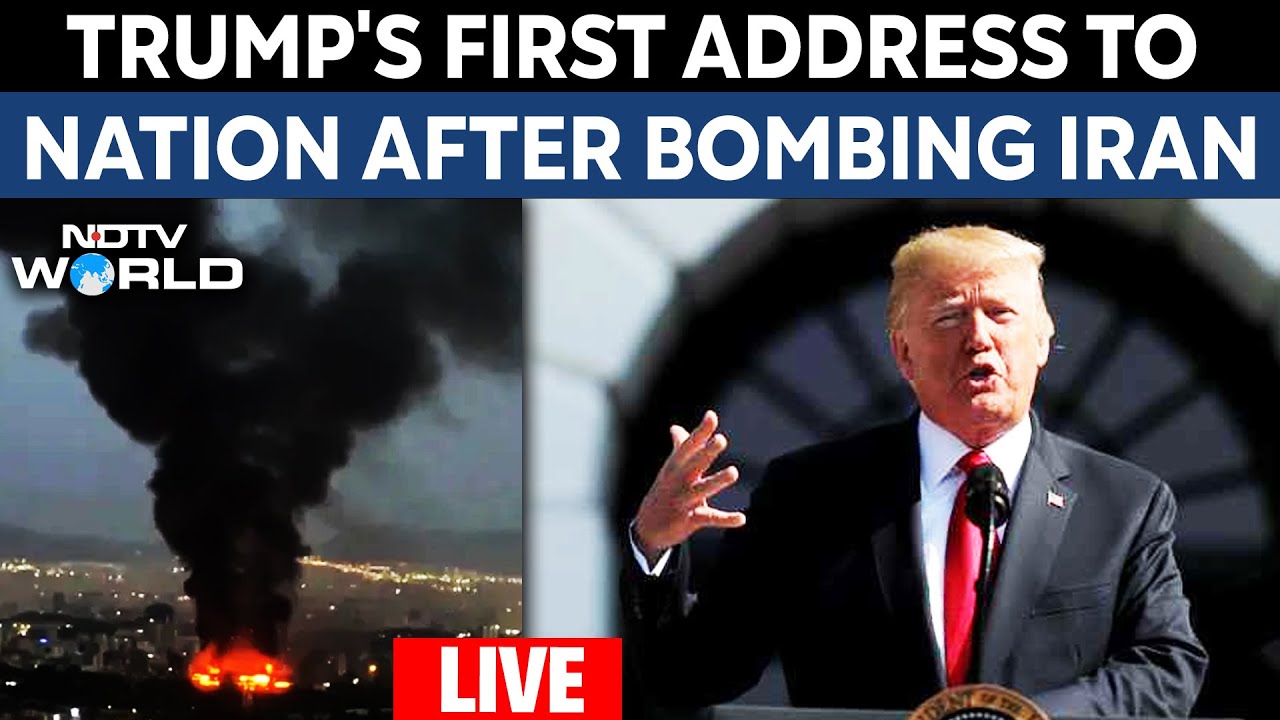
Following the Soleimani strike, Iran responded quickly.
In January 2020, Iran launched ballistic missiles at U.S. Several U.S. military installations in Iraq were targeted, most notably the Ain al-Asad Airbase.
What Happened During the Missile Attack
The missile strikes caused significant damage to facilities and injured dozens of American service members, many suffering traumatic brain injuries.
However, no American soldiers were killed.
Interestingly, Iran appeared to give indirect signals before the attack, allowing some troops to prepare. Many analysts believe this helped prevent a larger escalation.
The World Holds Its Breath
During this period, the international community watched nervously.
Governments, diplomats, and military analysts worried that the situation could spiral into a major war in the Middle East.
A direct conflict between the United States and Iran could have led to:
- Regional instability
- Disruption of global oil markets
- Military involvement from other countries
Fortunately, after the missile strikes, both sides avoided further escalation.
It was like two drivers speeding toward each other on a narrow road before swerving away at the last second.
Political Debate Inside the United States
The Soleimani strike triggered a heated debate inside the United States.
Supporters’ View
Some political leaders supported the operation, arguing that it eliminated a dangerous figure responsible for attacks across the region.
They believed the move would deter Iran from future aggression.
Critics’ Concerns
Others worried that the strike could push the United States into another long war in the Middle East.
Critics questioned whether Congress had approved such military action and whether it could lead to unintended consequences.
This debate highlighted how complex and controversial foreign policy decisions can be.
Impact on Global Relations
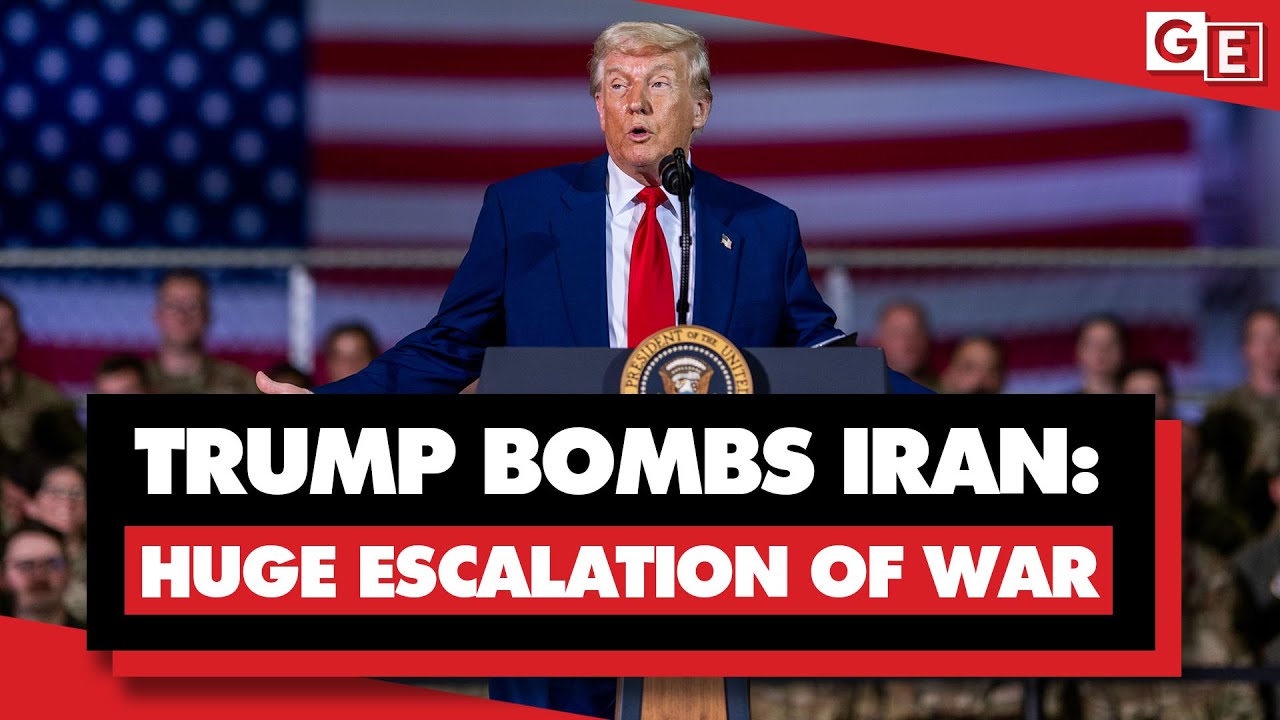
The events surrounding U.S.–Iran tensions during the Trump years also affected international relationships.
Allies in Europe, including countries that had supported the nuclear deal, were concerned about rising tensions.
Many European governments encouraged both sides to return to diplomatic negotiations.
Meanwhile, countries like Russia and China criticized U.S. actions and called for restraint.
The situation demonstrated how conflicts between two countries can influence the entire global system.
Media Coverage and Public Perception
News coverage and social media played a major role in shaping how people understood these events.
At times, headlines and online discussions created the impression that a major war had already begun.
In reality, the situation was more complicated.
Military operations occurred, but they did not escalate into full-scale warfare between the United States and Iran.
In today’s digital world, information spreads quickly, and sometimes nuance gets lost along the way.
What Happened After Trump’s Presidency?
After the end of Trump’s term in 2021, U.S.–Iran relations remained complicated.
Efforts to revive nuclear negotiations continued under the next administration, though progress has been slow and uncertain.
The tensions that built up during previous years did not disappear overnight.
Instead, they became part of an ongoing geopolitical struggle involving diplomacy, sanctions, and regional security concerns.
Conclusion
So, did Trump bomb Iran?
The reality is more nuanced than many headlines suggest. There was no large-scale bombing campaign or invasion of Iran during his presidency. However, his administration took several significant military and political actions that dramatically increased tensions between the two countries.
The targeted strike that killed Qassem Soleimani was one of the most consequential moments, bringing the two nations closer to direct conflict than they had been in years. Iran responded with missile strikes, and for a brief period, the world watched anxiously as events unfolded.
In the end, both sides stepped back from the brink. The episode serves as a reminder of how fragile international relations can be and how quickly geopolitical tensions can escalate. Like pieces on a chessboard, every move matters—and sometimes the most important move is choosing not to make the next one.
FAQs
1. Did Donald Trump order a bombing campaign against Iran?
No, there was no large-scale bombing campaign against Iran during Trump’s presidency. However, the United States carried out a targeted drone strike that killed Iranian General Qassem Soleimani in Iraq.
2. Why did the United States kill Qassem Soleimani?
U.S. officials said the strike was intended to prevent planned attacks on American forces and interests in the Middle East.
3. How did Iran respond to the Soleimani strike?
Iran retaliated by launching ballistic missiles at U.S. military bases in Iraq, causing injuries and structural damage but no fatalities.
4. Did the United States and Iran go to war in 2020?
No, despite intense tensions and military actions, the situation did not escalate into a full-scale war.
5. Are tensions between the United States and Iran still ongoing?
Yes, relations remain complicated due to disagreements over nuclear programs, sanctions, and regional influence. Diplomatic negotiations continue periodically.






Post Comment