War in Europe: How Conflict Reshaped a Continent and Still Shapes Our World

Europe often feels like a familiar old neighborhood—busy streets, historic buildings, shared borders, and long memories. Yet beneath that sense of closeness lies a past marked by repeated conflict and a present still affected by tension. When people talk about war in Europe, they are not just discussing battles or borders. They are talking about identity, power, fear, resilience, and the ongoing effort to prevent history from repeating itself.
This article is written for everyday readers who want to understand why wars happened in Europe, how they changed societies, and what their impact still looks like today. Think of Europe like a cracked mirror: every war left a fracture, and each generation has tried—sometimes successfully, sometimes not—to glue the pieces back together.
Europe Before Modern Wars: A Continent of Empires and Rivalries
Long before modern nations existed, Europe was a patchwork of kingdoms, empires, and city-states. Borders shifted constantly, often through force rather than negotiation. Kings married for land, armies marched for glory, and religion frequently fueled division.
Power was everything. If one empire grew stronger, its neighbors felt threatened. This constant competition created a cycle where peace was temporary and conflict felt almost inevitable. Ordinary people—farmers, craftsmen, families—rarely had a say, yet they paid the highest price.
At this stage, war was seen as a tool of statecraft, not a failure of it. That mindset laid the groundwork for far larger conflicts later on.
The World Wars: When Europe Became the Epicenter of Global Conflict
World War I: The Spark That Lit the Fire
The first global conflict began with a single assassination but exploded because Europe was already tense. Alliances acted like a row of standing dominoes—once one fell, the rest followed. What was expected to be a short struggle turned into years of trench warfare and widespread suffering.
Civilians faced shortages, displacement, and grief on a scale never seen before. The war ended empires and redrew maps, but it also planted seeds of resentment. Instead of healing wounds, the aftermath often deepened them.
World War II: Total War and Total Transformation
Barely a generation later, Europe was once again engulfed in conflict—this time even more devastating. Entire cities were destroyed, millions lost their lives, and moral boundaries collapsed.
This war was not only about territory; it was about ideology. Fascism, nationalism, and resistance movements clashed violently. The result reshaped Europe completely, leading to new borders, new governments, and a shared determination to avoid another catastrophe.
If the First World War cracked the mirror, the Second shattered it.
The Cold War Divide: A Continent Split in Two
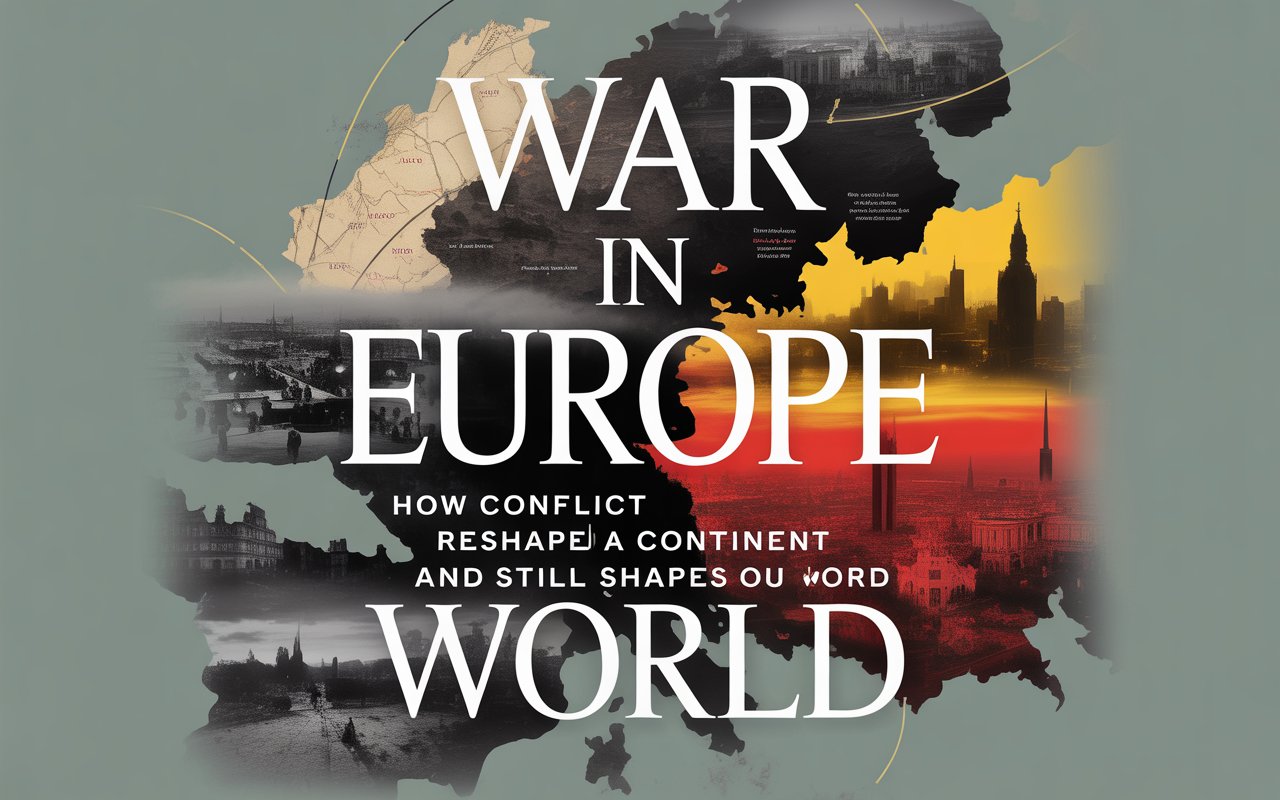
After the fighting stopped, Europe did not immediately find peace. Instead, it became the main stage for a different kind of conflict—one without constant gunfire but filled with fear and suspicion.
The continent was divided into East and West, separated by ideology and influence. Walls, both physical and political, cut through cities and families. Military alliances faced off like chess players, each move carefully calculated to avoid direct confrontation.
People lived under the constant shadow of possible destruction, even as daily life continued. It was a strange calm—quiet on the surface, tense underneath.
The Balkans: When Old Wounds Reopened
In the late twentieth century, violence returned to Europe in a painful way. As a multinational state broke apart, long-suppressed ethnic and national tensions resurfaced.
Neighbors turned against neighbors. Communities that had lived side by side for decades found themselves divided by fear and propaganda. This conflict shocked many Europeans who believed such violence was a thing of the past.
It served as a harsh reminder: peace is not permanent. It requires effort, trust, and honest dialogue—or it can unravel faster than anyone expects.
Eastern Europe and Renewed Tensions
In recent years, conflict in Eastern Europe has brought the idea of war back into everyday conversation. What many assumed was an unbreakable peace suddenly felt fragile.
This tension is not just about land. It is about influence, security, and historical memory. For some countries, past invasions are not distant stories—they are living memories passed down through families.
For others watching from afar, the conflict raised uncomfortable questions. Could this spread? Are old alliances strong enough? Is Europe truly safe?
How War Changed European Borders and Identities
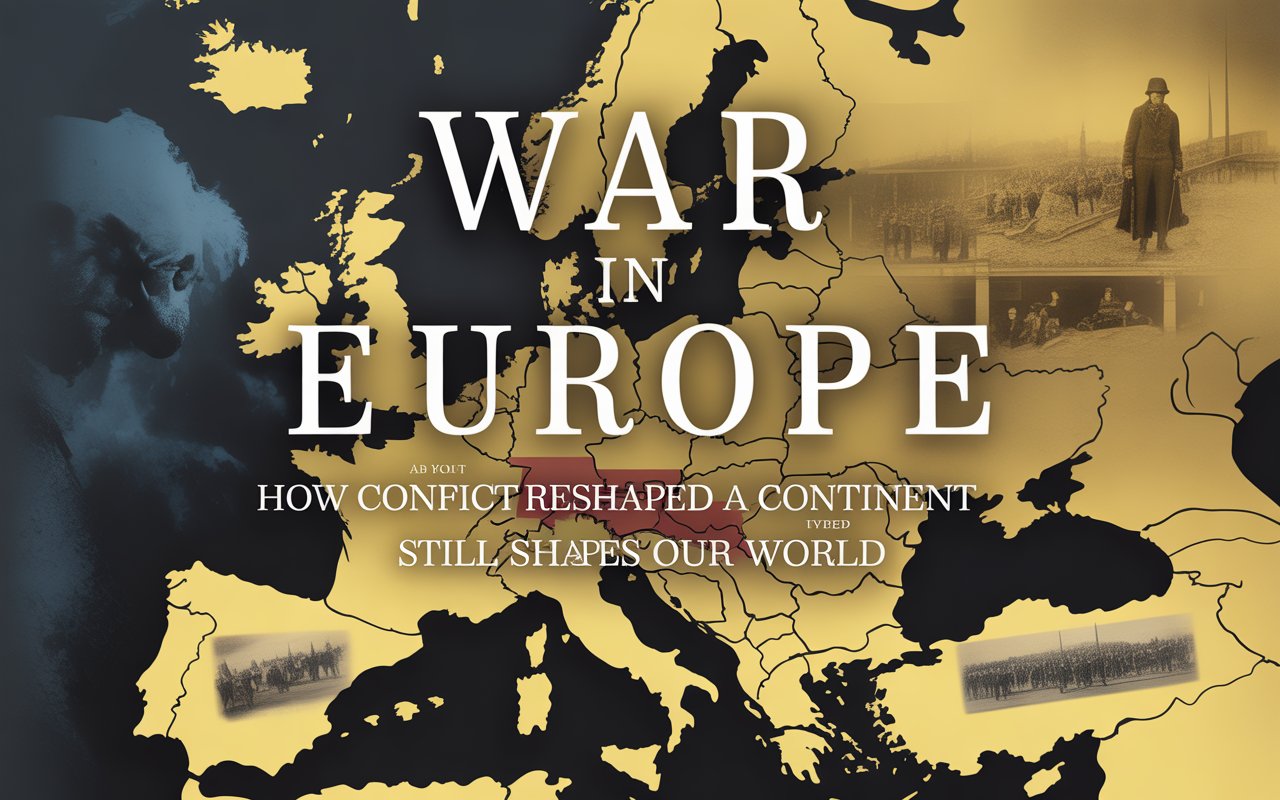
Every conflict in Europe left marks on maps. Borders moved, nations appeared or disappeared, and populations were relocated—sometimes forcibly.
But the deeper change was psychological. People began to define themselves not just by culture or language, but by shared trauma and survival. National identity became tightly linked to memory.
You can still see this today in monuments, holidays, and public debates. History is not locked away in museums; it walks alongside everyday life.
Civilian Life During European Conflicts
War is often described through generals and strategies, but its true story lives in kitchens, shelters, and refugee camps.
Families adapted in remarkable ways. They rationed food, shared homes, and found small moments of joy amid uncertainty. Children grew up faster than they should have. Older generations carried silent burdens.
These experiences shaped values like solidarity and social welfare that later became central to many European societies. Suffering pushed people to demand systems that protected the vulnerable.
The Role of Alliances and Institutions
After repeated disasters, European leaders tried something new: cooperation instead of constant rivalry. Institutions were created to encourage dialogue, economic ties, and shared rules.
The idea was simple—countries that trade together and talk regularly are less likely to fight. While not perfect, this approach helped stabilize much of the continent for decades.
Still, alliances are living structures. They must adapt to new realities, or they risk becoming fragile under pressure.
Media, Memory, and the Story of War
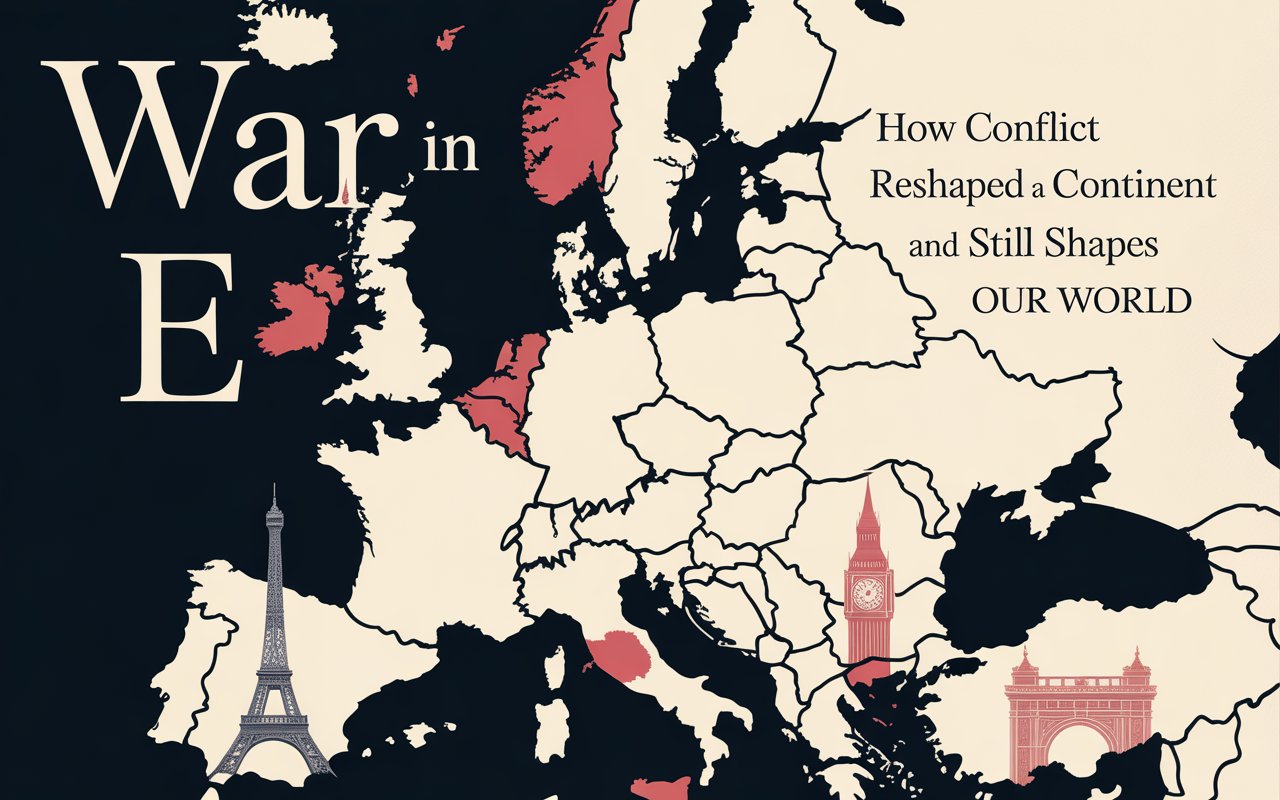
How people remember war often depends on how it is told. Films, books, and news reports shape public understanding, sometimes highlighting heroism, sometimes tragedy.
Memory can unite, but it can also divide. Different communities may remember the same event in very different ways. This makes reconciliation challenging but also necessary.
Telling honest, inclusive stories is one way societies try to learn rather than repeat.
Lessons Europe Keeps Learning—Again and Again
If there is one clear lesson from Europe’s history of conflict, it is this: peace does not happen by accident.
It requires patience, compromise, and the courage to face uncomfortable truths. When fear and anger dominate, war finds space to grow. When empathy and cooperation lead, violence loses ground.
Europe’s past acts like a warning sign on a dangerous road. Ignore it, and the same mistakes wait ahead.
Why the War in Europe Matters to the World
European conflicts have never stayed contained. They have shaped global politics, economies, and migration patterns.
What happens in Europe affects energy markets, international relations, and global security. In an interconnected world, distance offers no real protection.
For the general public, understanding this history is not about choosing sides. It is about recognizing how deeply connected our futures are.
Conclusion: A Continent Still Choosing Its Path
Europe’s story with war is long, painful, and complicated. Yet it is also a story of rebuilding, learning, and trying again. Like a river that floods but eventually finds a calmer course, Europe continues to move forward—shaped by what it has endured.
The challenge today is not just avoiding conflict, but nurturing understanding. Because peace is not a finish line; it is a daily decision.
Frequently Asked Questions
1. Why has Europe experienced so many wars throughout history?
Europe’s wars were driven by competition for power, shifting borders, ideological clashes, and unresolved historical tensions. Dense geography and close neighbors made conflict more likely.
2. How did the world wars permanently change Europe?
They reshaped borders, ended empires, influenced political systems, and led to new ideas about cooperation and human rights across the continent.
3. Is Europe at risk of large-scale war again?
While tensions exist, strong diplomatic structures and shared interests reduce the likelihood. However, peace requires constant effort and dialogue.
4. How do European wars affect everyday people today?
They influence economic stability, migration, energy access, and political decisions that reach far beyond the battlefield.
5. What is the most important lesson from Europe’s history of conflict?
That lasting peace depends on cooperation, empathy, and learning from past mistakes rather than ignoring them.


Post Comment