Columbia and Trump: Power, Protest, and the American Crossroads

When people hear the words Columbia and Trump together, reactions are often immediate and emotional. Some think of elite universities and academic freedom. Others think of populist politics, sharp rhetoric, and a deeply divided nation. Put these two ideas side by side, and you don’t just get a headline—you get a story about modern America itself.
So what exactly does “Columbia and Trump” represent? Is it a clash of values, a mirror of public debate, or simply two powerful symbols colliding in the same national conversation? Let’s unpack this carefully, in plain language, and see why this topic matters far beyond campus gates or campaign rallies.
The Meaning Behind “Columbia”
More Than a University Name
Columbia is widely known as one of the oldest and most prestigious universities in the United States. Located in New York City, it has long been associated with scholarship, journalism, law, global policy, and social movements. But Columbia is also a symbol.
To many Americans, it represents elite education, intellectual debate, and institutional influence. To critics, it can also symbolize academic privilege, ideological bubbles, and distance from everyday struggles. Like a lighthouse, Columbia stands tall—guiding some, blinding others.
A History of Activism and Debate
Columbia’s campus has never been quiet when it comes to politics. From protests during the Vietnam War to debates about civil rights, free speech, and foreign policy, students and faculty have consistently engaged with national issues.
That history matters because it sets the stage for why Columbia often appears in political discussions connected to high-profile figures, including Donald Trump.
Understanding Trump as a Political Force
A Presidency That Redefined Norms
Donald Trump didn’t just win an election; he reshaped political language and behavior. His presidency challenged traditional expectations about leadership, media relations, and political decorum.
Supporters saw him as a disruptor who spoke plainly and pushed back against institutions they felt ignored them. Critics viewed him as divisive and dangerous to democratic norms. Either way, Trump became impossible to ignore.
Trump and Institutions
One recurring theme during Trump’s political rise was his criticism of institutions—media organizations, courts, federal agencies, and universities. Elite colleges, in particular, were often portrayed as disconnected from “real America.”
That framing set the stage for a symbolic confrontation between Trump-style politics and places like Columbia.
When Columbia and Trump Enter the Same Conversation
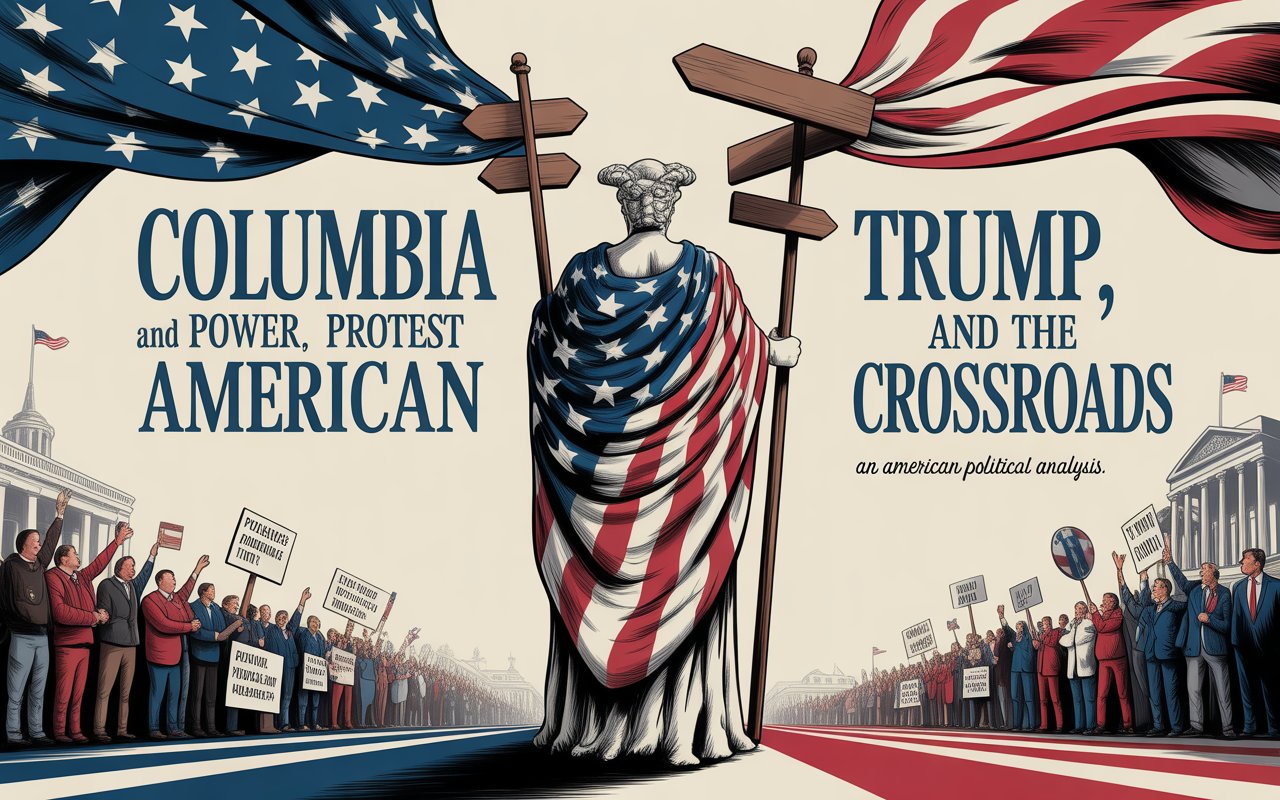
Campus Reactions to Trump-Era Policies
During Trump’s presidency, many universities responded strongly to policies on immigration, international travel, climate, and civil rights. Columbia was no exception.
Statements from university leadership emphasized inclusion, global engagement, and academic freedom. Students organized discussions, protests, and forums. For some, this was healthy civic engagement. For others, it felt like political activism crossing into institutional bias.
This tension wasn’t just about Trump—it was about the role universities should play in public life.
Free Speech vs. Safe Spaces
A Central Cultural Debate
One of the most heated discussions connecting Columbia and Trump revolves around free speech. Trump often argued that conservative voices were being silenced on campuses. Universities, including Columbia, argued they were balancing expression with student safety and respect.
Think of it like a crowded dinner table. Everyone wants to speak, but some voices dominate, others feel attacked, and the host struggles to keep the peace. The question becomes: who decides the rules of conversation?
Invited Speakers and Public Backlash
When controversial figures aligned with Trump-era politics were invited to speak on campuses nationwide, protests often followed. Columbia faced similar moments of tension, forcing administrators to weigh openness against disruption.
These episodes fueled national debate and were frequently cited by Trump supporters as evidence of ideological intolerance.
Media, Messaging, and Public Perception
How Headlines Shape Reality
Columbia and Trump often meet not directly, but through media coverage. News outlets, social platforms, and opinion writers frame stories in ways that amplify conflict.
A campus protest becomes a national symbol. A Trump speech becomes a cultural flashpoint. In between, nuance is often lost.
For the general public, this can feel exhausting. Who’s telling the full story? Who benefits from outrage? These questions linger beneath every headline.
The Role of Education in a Divided Nation
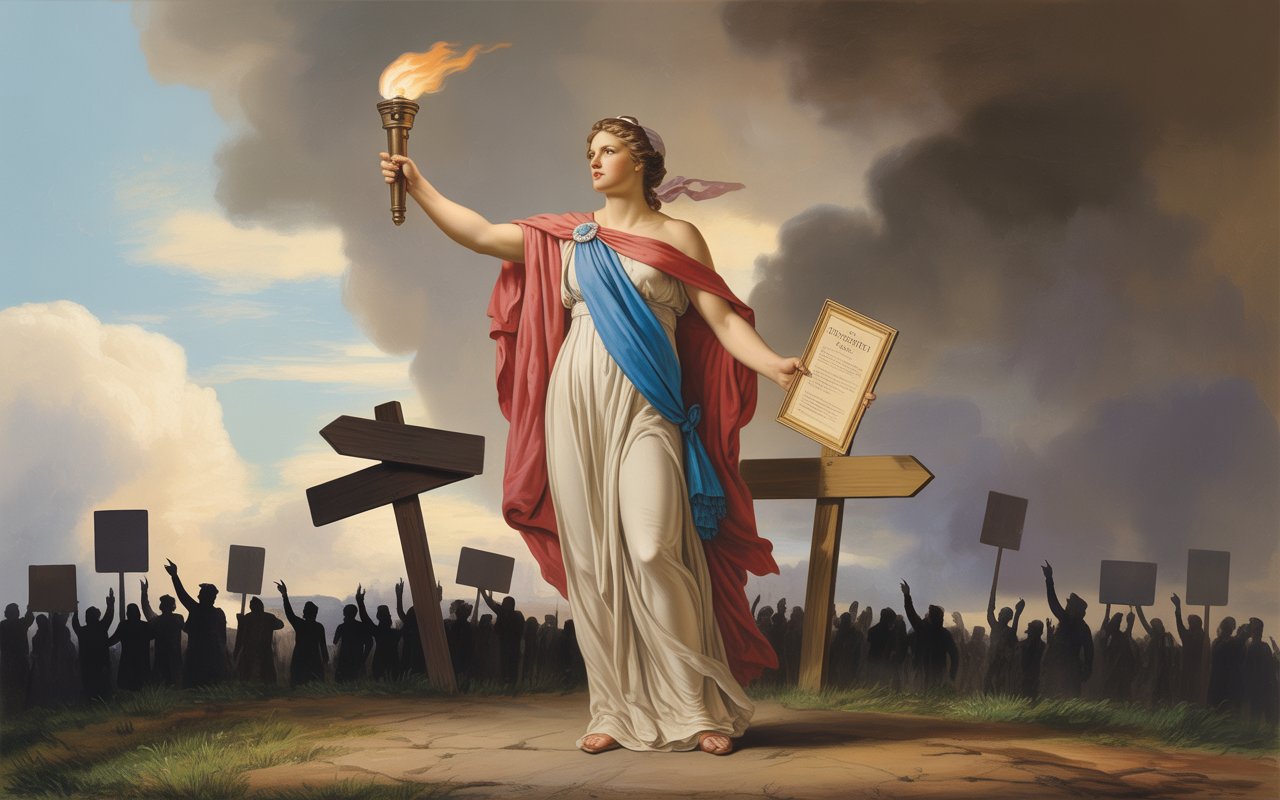
Universities as Cultural Battlegrounds
Columbia represents a broader question: what is higher education for? Is it meant to challenge ideas, preserve knowledge, or shape values?
Trump-era politics forced this question into the open. Critics accused universities of ideological uniformity. Defenders argued that evidence-based thinking naturally clashes with misinformation.
It’s less like a boxing match and more like a chessboard—slow moves, long strategies, and consequences that unfold over years, not days.
Political Identity and Student Voices
Young Americans Finding Their Place
Students at Columbia, like students everywhere, are not a single political group. Some supported Trump. Others strongly opposed him. Many were still figuring out what they believed.
The Trump years pushed many young people into political awareness earlier than previous generations. Debates felt personal, urgent, and unavoidable.
This matters because today’s students are tomorrow’s voters, journalists, lawyers, and policymakers. What happens on campus doesn’t stay there.
Trump’s Supporters and the View from Outside Academia
Feeling Excluded from Elite Spaces
For many Trump supporters, universities like Columbia symbolize exclusion. High tuition, elite networks, and cultural language can feel alienating.
When Trump criticized these institutions, it resonated with people who felt talked down to or ignored. Whether that perception was fair or not, it was powerful.
This emotional divide explains why Columbia often appears in political rhetoric—not as a place, but as an idea.
Long-Term Impact on American Discourse
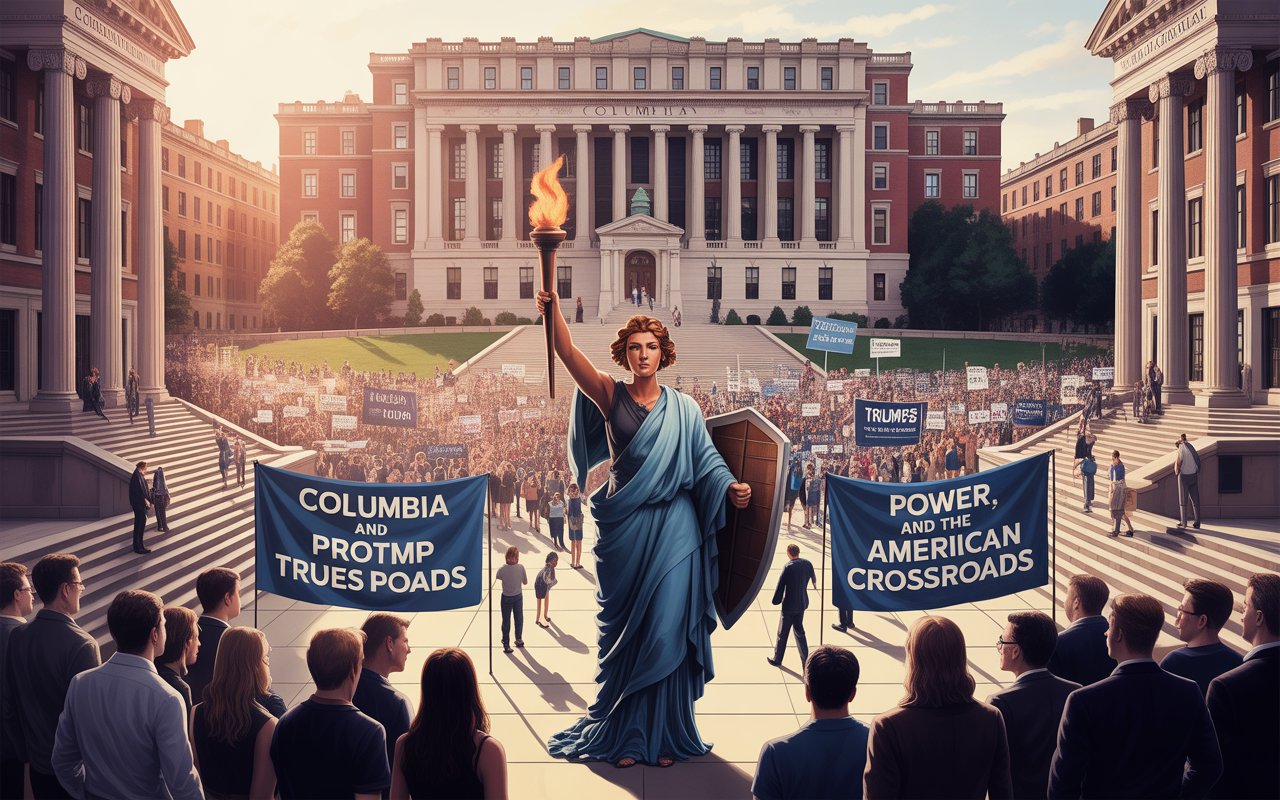
A Shift That Didn’t End
Even after Trump left office, the conversations he sparked continue. Universities remain under scrutiny. Political identity remains sharp. Trust in institutions remains fragile.
Columbia, like many schools, continues to navigate these pressures while trying to stay focused on education and research.
The relationship between Columbia and Trump is not a single event—it’s an ongoing chapter in a larger story about democracy, disagreement, and the future of public life.
Why This Topic Still Matters Today
Beyond Names and Labels
At its core, “Columbia and Trump” isn’t about one university or one politician. It’s about how Americans handle disagreement.
Do we listen, or do we label? Do we debate, or do we retreat into corners? The answers to these questions will shape more than elections—they’ll shape culture itself.
Like two strong currents meeting in a river, the interaction creates turbulence. But it can also carve new paths.
Conclusion: A Reflection of America Itself
The connection between Columbia and Trump tells us less about either one alone and more about who we are as a society. It reveals our struggles with authority, knowledge, identity, and voice.
Whether you admire Trump, criticize him, study at Columbia, or simply watch from afar, this conversation affects you. Because in the end, it’s not about campus walls or campaign slogans—it’s about how a nation talks to itself when opinions collide.
And maybe the real question isn’t who’s right, but how we move forward together.
Frequently Asked Questions
Why is Columbia often mentioned in political debates?
Columbia is seen as a symbol of elite education and intellectual influence, making it a frequent reference point in discussions about culture and politics.
Did Trump have a direct relationship with Columbia University?
Trump did not have a formal role at Columbia, but he frequently commented on universities like it as part of broader criticism of elite institutions.
Why do universities play such a big role in political culture?
Universities shape ideas, train leaders, and influence public discourse, making them central to debates about values and knowledge.
Are all Columbia students politically aligned?
No, students hold a wide range of political views, even though media coverage often highlights only the loudest voices.
Is the Columbia and Trump debate still relevant today?
Yes, because it reflects ongoing tensions about free speech, trust in institutions, and national identity.


Post Comment