Wood Chipper: The Ultimate Guide for Homeowners, Gardeners, and Landowners
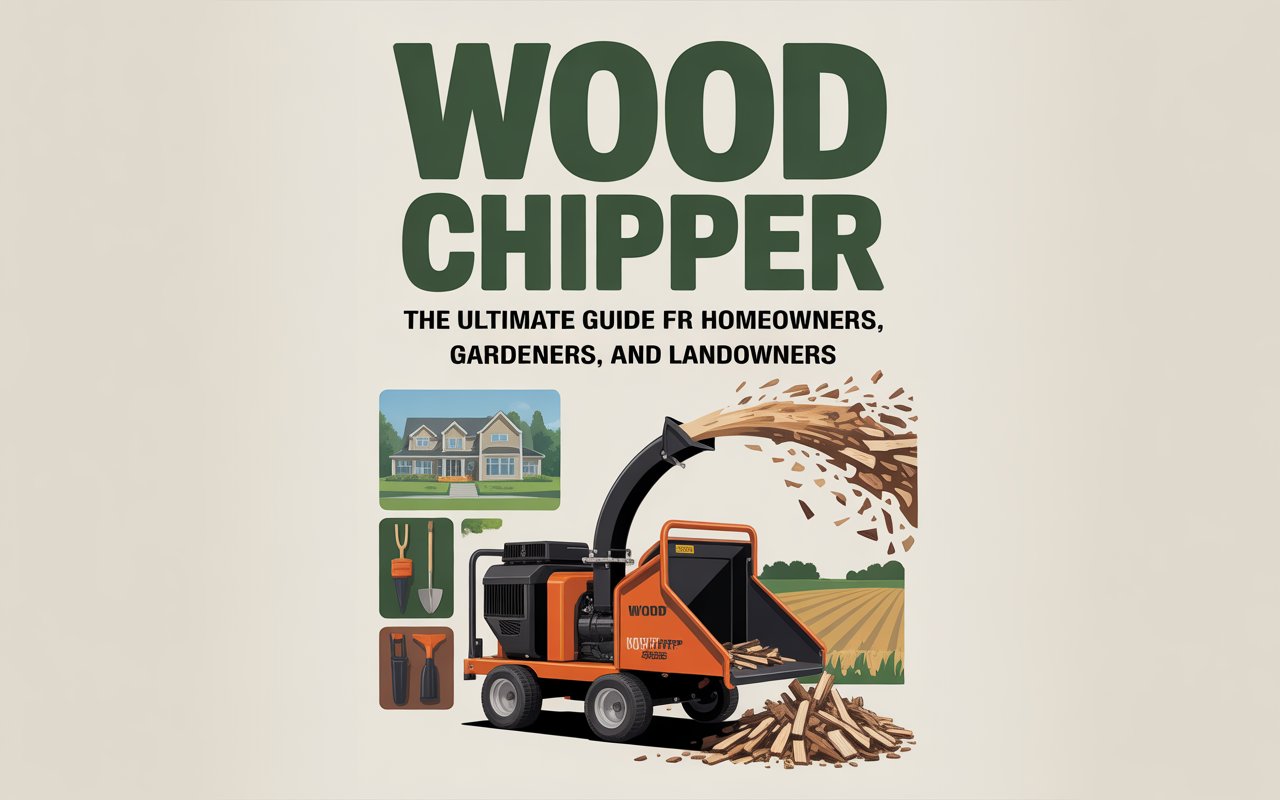
Have you ever looked at a pile of fallen branches after a storm and wondered, What am I supposed to do with all this? If you own a yard, garden, or small piece of land, you’ve probably faced this exact problem. Twigs, limbs, and brush can quickly turn a clean outdoor space into a messy jungle.
That’s where a wood chipper comes in.
This powerful outdoor machine turns bulky branches and debris into small, manageable wood chips. Those chips can then be used for mulch, compost, landscaping, or even fuel. It’s like turning clutter into something useful — almost like transforming leftover ingredients into a delicious meal.
In this comprehensive guide, we’ll explore how these machines work, the different types available, safety tips, maintenance advice, and how to choose the right one for your needs. Whether you’re a weekend gardener or managing acres of land, this article will help you make an informed decision.
What Is a Wood Chipper and How Does It Work?
At its core, this machine is designed to reduce tree branches, limbs, and brush into smaller pieces. But how does it actually do that?
Inside the unit, there are sharp blades or rotating drums powered by a motor or engine. When you feed branches into the chute, the blades spin rapidly and slice the wood into chips. These chips are then expelled through a discharge chute into a pile or container.
Think of it like a giant pencil sharpener — except instead of shaping pencils, it breaks down thick branches into small, reusable pieces.
Main Components
- Feed chute – Where branches are inserted
- Cutting mechanism – Blades or hammers that shred wood
- Engine or motor – Gasoline, diesel, or electric powered
- Discharge chute – Where the processed material exits
- Frame and wheels – For stability and mobility
Each component plays a role in turning large, awkward debris into something manageable.
Types of Wood Chippers Available
Not all machines are built the same. The right type depends on how much material you plan to process and how often you’ll use it.
Electric Models
These are ideal for small yards and light-duty work. They are quieter, more affordable, and easier to maintain. However, they are limited in power and may struggle with thick branches.
Best for:
- Homeowners
- Small gardens
- Light pruning waste
Gas-Powered Units
These are stronger and more versatile. They can handle thicker limbs and larger volumes of material. They’re perfect if you have a medium to large property.
Best for:
- Frequent yard maintenance
- Storm cleanup
- Rural properties
Commercial and Industrial Machines
These heavy-duty machines are built for professionals. Landscaping businesses and forestry operations often use them. They can process large logs and operate for extended periods.
Best for:
- Contractors
- Arborists
- Municipal services
Why Use a Wood Chipper?
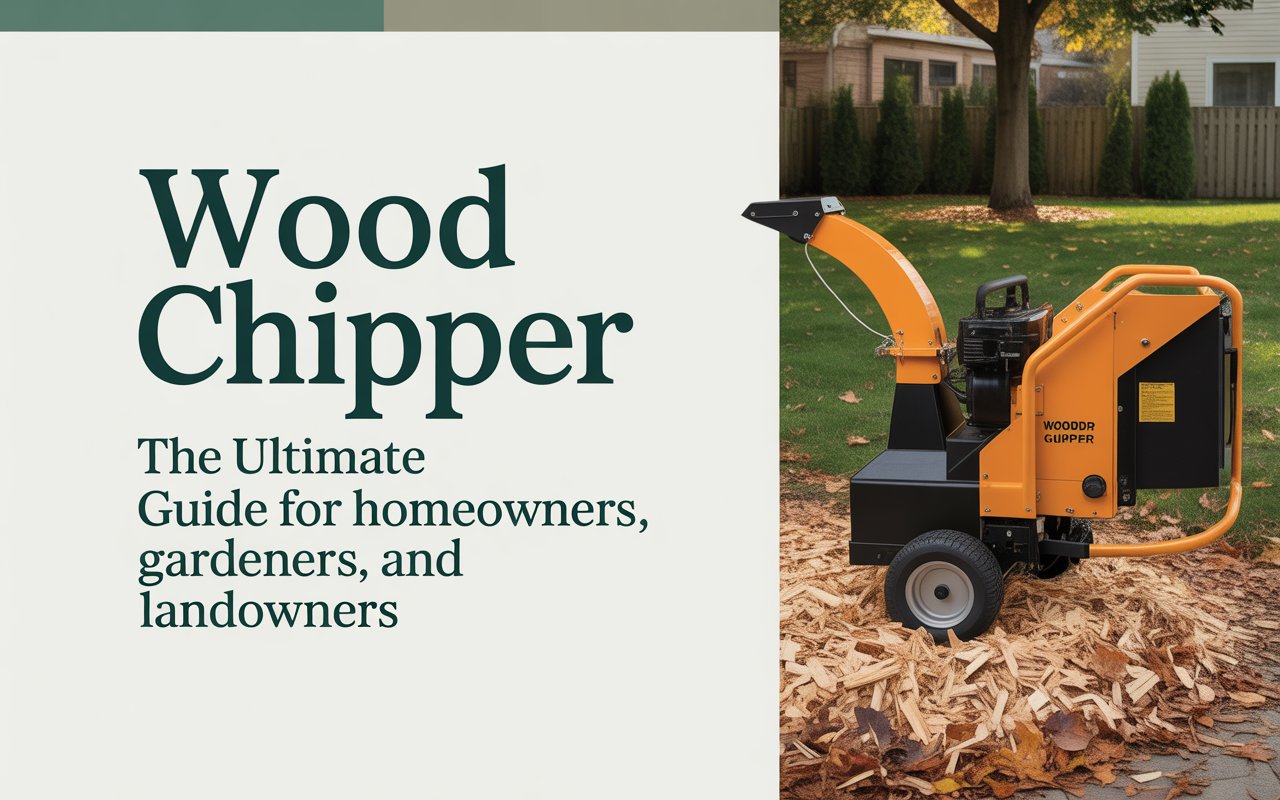
You might be thinking, “Can’t I just burn or throw away the branches?” Technically, yes. But using this machine offers several advantages.
1. Waste Reduction
Instead of hauling debris to a landfill, you can recycle it on-site.
2. Mulch Creation
Wood chips make excellent mulch. They help retain soil moisture, suppress weeds, and improve garden appearance.
3. Compost Enhancement
Shredded material decomposes faster, enriching your compost pile.
4. Cost Savings
Buying mulch can be expensive. Creating your own saves money in the long run.
It’s like turning what looks like trash into treasure.
Key Features to Consider Before Buying
Choosing the right machine isn’t just about price. Here are some important factors to think about.
Engine Power
Measured in horsepower or amperage. More power means the machine can handle thicker branches.
Maximum Branch Diameter
Check the manufacturer’s recommendation. Feeding material that’s too thick can damage the unit.
Portability
Does it have wheels? Is it towable? If you have a large yard, mobility matters.
Safety Features
Look for emergency shut-off switches and safety guards.
Noise Level
Gas models are louder than electric ones. If you live in a residential area, this could be important.
Safety First: How to Operate It Properly
Let’s be clear — this is powerful equipment. It demands respect.
Wear Protective Gear
- Safety goggles
- Gloves
- Ear protection
- Close-fitting clothing
Never Use Hands to Push Material
Use a wooden stick or branch to guide debris if needed.
Stay Clear of the Discharge Chute
Wood chips can shoot out with force.
Keep Children and Pets Away
Operate in a controlled area without distractions.
Safety isn’t optional. Think of this machine like a chainsaw — useful, but only when handled responsibly.
Maintenance Tips for Long-Term Performance
Like any equipment, proper care extends its lifespan.
Sharpen the Blades
Dull blades reduce efficiency and strain the motor.
Clean After Use
Remove debris from inside the housing.
Check Oil Levels (Gas Models)
Regular oil changes keep the engine healthy.
Inspect Belts and Fasteners
Loose components can cause vibration and damage.
Routine maintenance prevents costly repairs later.
Common Mistakes to Avoid
Even experienced users sometimes make errors.
- Feeding wet or muddy branches
- Ignoring unusual noises
- Overloading the machine
- Skipping regular maintenance
- Operating on uneven ground
Avoiding these mistakes keeps your equipment safe and effective
Environmental Benefits
Using this equipment isn’t just convenient — it’s environmentally friendly.
Reduces Landfill Waste
Organic material stays on your property instead of filling disposal sites.
Improves Soil Health
Mulch protects plant roots and enhances soil structure.
Encourages Sustainable Gardening
You’re recycling natural material instead of buying synthetic alternatives.
Small actions add up to big environmental impact.
Wood Chipper vs. Shredder: What’s the Difference?
Many people use these terms interchangeably, but they aren’t identical.
Chippers
Best for thick branches and solid wood.
Shredders
Designed for leaves, soft garden waste, and small twigs.
Some machines combine both functions, offering versatility for homeowners who need multiple solutions.
Cost Breakdown: What Should You Expect to Spend?
Prices vary widely depending on size and power.
- Small electric units: Affordable entry-level option
- Mid-range gas models: Moderate investment
- Commercial-grade machines: High-end pricing
You should also factor in maintenance costs, fuel, and potential repairs.
Renting can be a good option if you only need it once or twice a year
When Should You Rent Instead of Buy?
If you
- Have limited storage space
- Only need it after storms
- Don’t want maintenance responsibility
Renting may be smarter financially. But if you regularly manage trees or landscaping, ownership often makes more sense in the long term.
Practical Tips for Getting the Best Results
- Cut branches into manageable lengths before feeding
- Alternate thick and thin material for smoother operation
- Allow the engine to reach full speed before inserting wood
- Avoid extremely dry or overly wet material
A little preparation makes the job easier and safer.
Conclusion
A wood chipper is more than just a noisy outdoor machine — it’s a practical solution for managing yard waste efficiently. It transforms bulky, inconvenient debris into valuable mulch and compost material. Whether you’re maintaining a small garden or managing acres of land, this tool can save time, money, and effort.
The key is choosing the right type, operating it safely, and maintaining it properly. When used responsibly, it becomes an essential part of smart outdoor care. Instead of viewing fallen branches as a burden, you can see them as an opportunity — raw material waiting to be reused.
Frequently Asked Questions (FAQs)
1. How thick of a branch can a typical wood chipper handle?
Most homeowner models can process branches between 1.5 to 3 inches in diameter, while larger gas-powered units can handle thicker limbs.
2. Can I use wood chips directly in my garden?
Yes, they work well as mulch around plants and trees. However, avoid piling them directly against plant stems to prevent moisture buildup.
3. Is it better to buy or rent one?
If you only need it occasionally, renting may be cost-effective. Regular yard maintenance usually justifies purchasing.
4. How often should blades be sharpened?
This depends on usage, but generally after every 10–20 hours of operation or when performance declines.
5. Are electric models powerful enough for storm cleanup?
They work well for small debris, but larger branches typically require a gas-powered unit for effective processing.




Post Comment