The Fascinating Science Behind Wombat Poop: Nature’s Most Surprising Cubes
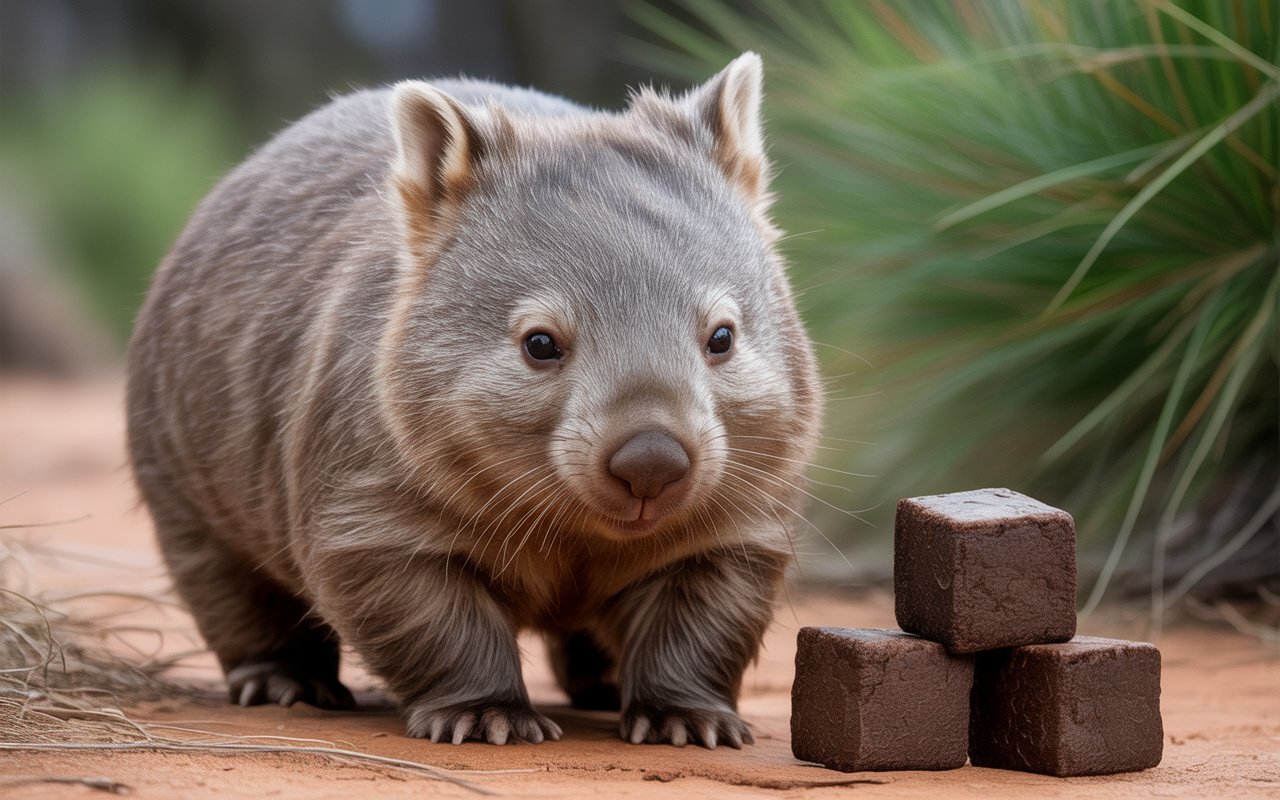
If someone told you that one of the world’s most unusual facts hides in the Australian wilderness, would you guess it has to do with poop—square poop, to be exact? Wombat droppings aren’t just odd; they’re a fascinating example of how nature uses unexpected designs to solve everyday challenges. In this article, we’ll explore everything about wombat poop—how it forms, why it’s cube-shaped, what purpose it serves, and why scientists are so interested in it today.
Understanding the Wombat: A Quick Introduction
Wombats and Their Unique Biology
Wombats are sturdy, burrowing marsupials native to Australia. Their compact bodies, strong legs, and robust digestive systems are all tailored to life underground. But one of their most unusual features lies in how their bodies process food—leading to their well-known cube-shaped droppings.
A Slow but Effective Digestive System
Wombats have one of the slowest digestive systems among mammals. Food can take more than two days to pass through them. This long journey allows the body to extract as much moisture and nutrients as possible—especially important in dry environments.
What Makes Wombat Poop So Special?
The Cube Shape Mystery
When people first hear about cube-shaped poop, they usually imagine it being molded like a building block. But the truth is far more interesting. The shape comes naturally from the wombat’s intestines, without any external shaping or pressing.
A Marvel of Nature
The cube shape might sound like a quirky trivia fact, but it serves an actual purpose in nature—helping the wombat communicate and mark territory.
How Cube-Shaped Poop Is Formed Inside the Wombat

Elasticity Differences in the Intestine
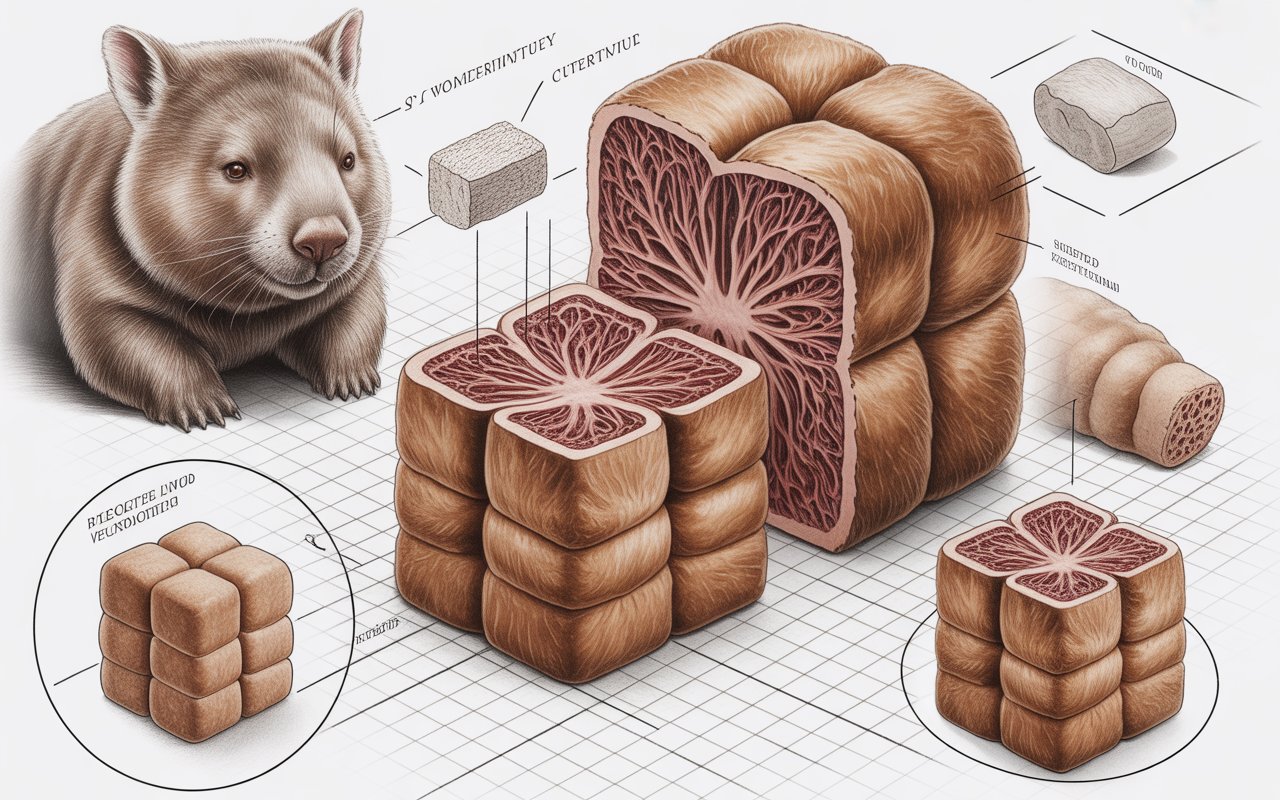
Scientists have discovered that wombats have unevenly elastic intestinal walls. Imagine squeezing clay through a tube where some parts of the tube stretch and others stay firm. The clay would come out in blocky sections—similar to a wombat’s droppings.
Slow Fermentation Plays a Role
Because the digestion process is slow, the material becomes dry and firm before it exits the body. This firmness helps the droppings hold their square edges instead of crumbling apart.
A Comparison for Better Understanding
Think of the wombat’s gut like a slow-moving assembly line. Instead of producing round “products,” the line creates neatly edged cubes—almost like shaping playdough with a block mold, except the mold is simply the natural structure of the intestine.
Why Are the Droppings Cube-Shaped?
A Clever Communication Strategy
Wombats rely on scent markings to communicate with others, especially at night when visibility is low. Their droppings serve as natural markers.
Cubes Don’t Roll Away
Round droppings might roll off rocks and logs—but cubes stay exactly where they’re placed. The stable shape ensures their scent signals remain in clear, visible, elevated spots.
A Survival Advantage
Wombats are mostly solitary and territorial animals. Being able to mark their territory effectively helps prevent unwanted encounters and keeps peace among individuals.
What Wombat Poop Reveals About Their Health
Indicators of Diet Quality
A wombat’s droppings can show what kinds of plants they’ve been eating. Healthy droppings are firm, dry, and well-shaped.
Signs of Hydration
Because wombats extract so much moisture from their food, extremely hard droppings can indicate low water intake or drought conditions.
The Role of Poop in Wombat Behavior
Communication Through Scent
Each pile of droppings carries scent information about the wombat that produced it—age, reproductive status, and territorial boundaries.
Marking Paths and Entry Points
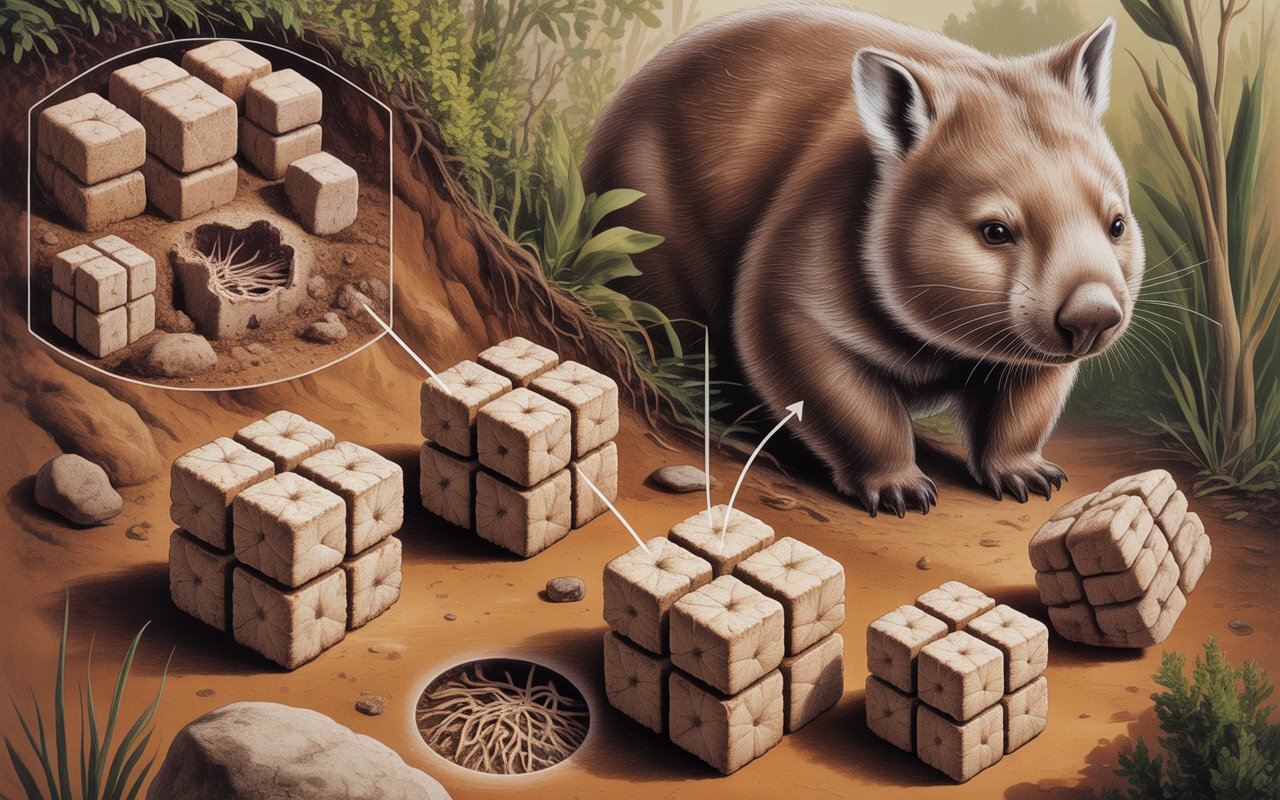
Wombats may deposit droppings near burrow openings or along well-traveled paths so that other animals understand the area is occupied.
A Quiet but Effective Social System
Instead of loud calls or aggression, wombats use scent to communicate peacefully. Their poop acts like a natural message board.
What Science Has Learned From Cube-Shaped Droppings
Engineering Inspiration
Researchers studying the cube shape have learned how the wombat’s intestines create edges without cutting or carving. This has inspired ideas in manufacturing—such as shaping materials using variable elasticity instead of molds.
Better Understanding of Biological Processes
Studying wombat poop provides insights into digestion, hydration, and intestinal health. These insights can even help veterinarians understand digestive issues in other species.
The Environmental Role of Wombat Droppings
Natural Seed Dispersal
Although wombats don’t rely heavily on seed spreading, small particles they pass can help plant materials break down and nourish the soil.
Soil Health
The dry, fibrous droppings slowly decompose and contribute organic matter to the ecosystem.
Are Wombat Droppings Dangerous to Humans?
Safe When Observed, Not Touched
Wombat droppings are generally not harmful if simply observed in the wild. However, like any wild animal waste, they can carry bacteria—so it’s best not to handle them directly.
Why People Study Them Carefully
Scientists collect droppings for research using proper protective tools, ensuring safety while studying the species.
Fun and Lesser-Known Facts About Wombat Poop
Fact 1: A Single Wombat Can Produce Dozens of Cubes a Night
Wombats often leave many small piles around their territory.
Fact 2: Each Cube Is About the Size of a Dice
The droppings are small, dry, and stackable.
Fact 3: Scientists Once Believed Wombats Used Their Buttocks to Shape the Poop
This was proven false—it’s all thanks to the intestines.
Fact 4: The Poop Can Be Found on Logs, Rocks, and High Points
This improves scent visibility.
Why People Are So Fascinated by Wombat Poop
A Blend of Biology and Oddity
It’s rare for an animal to produce such a geometric shape naturally. That alone sparks curiosity.
A Great Example of Evolution’s Creativity
Nature often surprises us with unusual solutions—and wombat poop is one of those moments where science meets humor and wonder.
Educational and Scientific Value
From documentaries to lab studies, the cube-shaped poop has grabbed attention worldwide, helping people learn more about wildlife biology.
Conclusion
Wombat poop may seem like a simple, even funny topic, but it represents much more than a quirky fact. It’s a window into the animal’s biology, behavior, and environment. From its cube shape to its purpose in communication, every aspect shows how nature adapts to challenges in creative ways. Whether you’re a wildlife fan or just someone who loves surprising science facts, the story of wombat poop is a reminder that the natural world is full of unexpected marvels.
FAQs
1. Why do wombats have cube-shaped poop?
Because their intestines have uneven elasticity, forming natural edges during digestion, resulting in cube-like droppings.
2. How many cubes of poop do wombats produce each day?
They can produce dozens of small cubes each night during their active hours.
3. Does the cube shape serve a purpose?
Yes, it helps the droppings stay in place on rocks or logs, making scent marking more effective.
4. Is wombat poop safe to touch?
It’s not recommended to touch any wild animal waste, including wombat droppings, because it may contain bacteria.
5. Can the shape of wombat poop help scientists?
Absolutely—studying it helps researchers understand digestion and inspires engineering ideas related to shaping materials.






Post Comment